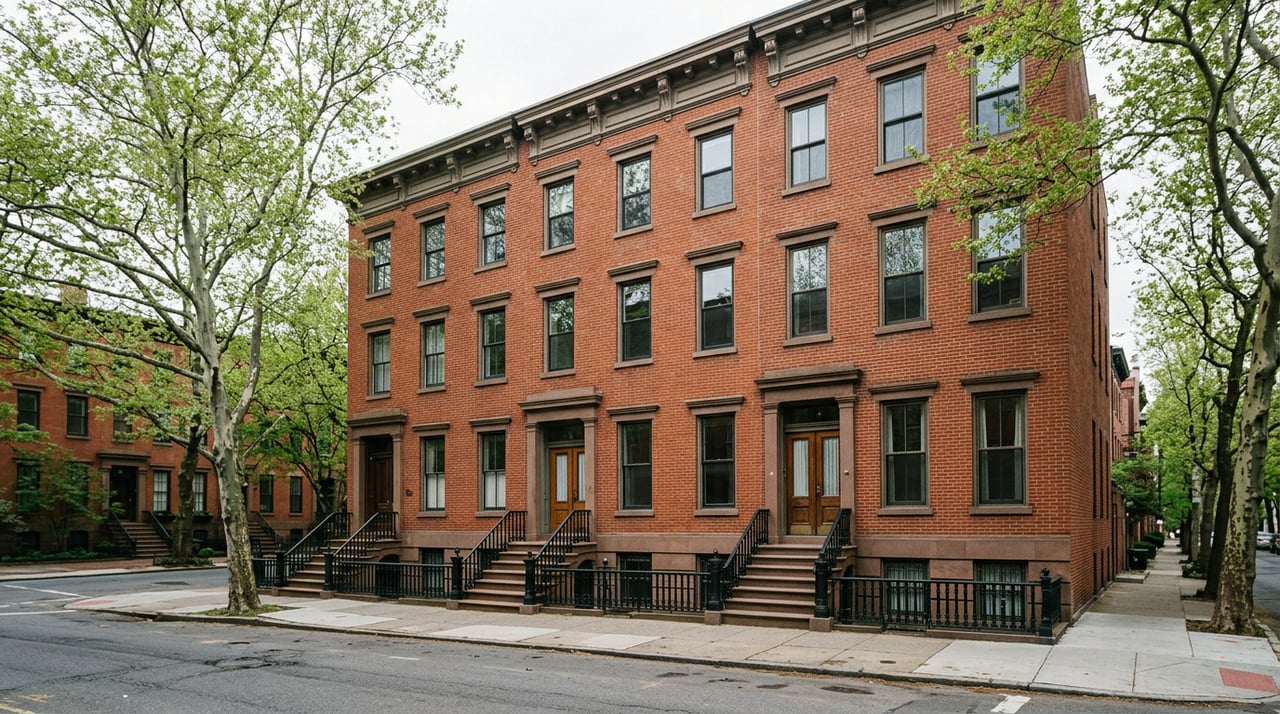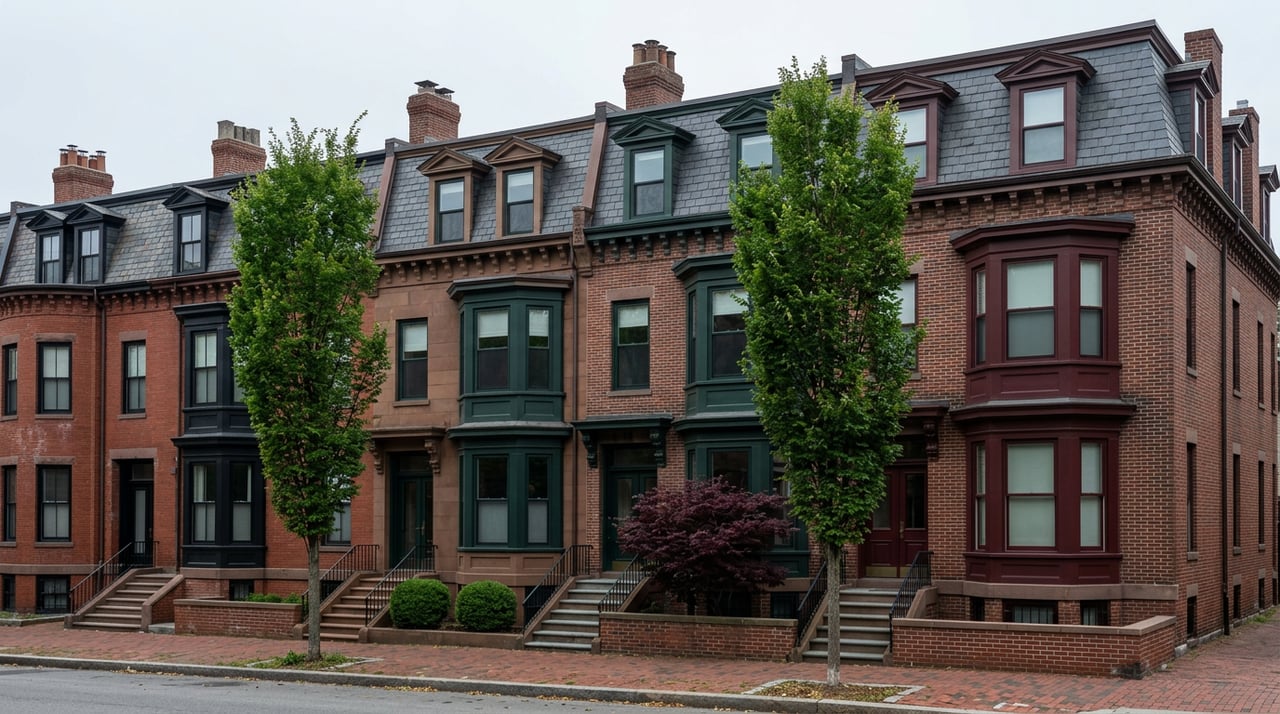
On June 16, 2026, three older buildings lost their protection from the wrecking ball, and none of it had anything to do with what was wrong with them. The Boston Zoning Board of Appeal voted to overturn demolition delays on 3-4 Folsom Avenue in Mission Hill, 744 East 4th Street in South Boston, and 595 East 7th Street in South Boston. The buildings had been flagged by the Boston Landmarks Commission as significant enough to warrant a 90-day pause under Article 85, the city's demolition-delay ordinance. The pause was supposed to buy time for neighbors and owners to find an alternative to the bulldozer. Instead, the Commission missed its own hearing deadlines, and attorney Richard Lynds, representing the owners, argued that a missed deadline is a missed deadline. The board agreed, unanimously, and directed the city's Inspectional Services Department to issue demolition permits.
If you are shopping for a triple-decker in South Boston, or selling one, this ruling is not background noise. It is a look at the actual mechanism that decides whether an aging building becomes a preservation case or a buildable lot, and that mechanism has almost nothing to do with the building itself.
The Ordinance That's Supposed to Buy Time
Article 85 was added to the Boston Zoning Code in 1995. When a demolition permit is requested for a building the Landmarks Commission finds "significant," under five criteria spelled out in the code, the Commission can impose a delay of up to 90 days following the close of a public hearing. The idea is straightforward: give the building's condition, its architectural or neighborhood value, and any preservation alternatives a real hearing before it comes down.
What the June ruling exposed is how thin that protection actually is. Lynds laid out the timeline for 3-4 Folsom Avenue in detail. The owner, Koul Anupam of Marlborough, filed his demolition request on February 25. Under the Commission's own rules, that should have triggered a preliminary ruling within 10 days, followed by up to 30 more days to call a public hearing. Instead, the Commission took 40 days just to issue its preliminary ruling, then didn't hold the public hearing until 76 days after the filing, then took another 9 days to issue its final determination. The board applied the same reasoning to the two South Boston addresses and overturned both delays.
"The development process is very complicated as it is."
That's ZBA member David Collins, moving to overturn the first delay. It reads like a shrug, but it's also an accurate description of how South Boston real estate actually prices risk right now: not by what a building is, but by how reliably the process around it runs on time.
Why This Isn't Just a Preservation Story
Run the numbers on South Boston's 2026 market and a pattern shows up that a median price alone won't explain. According to MLS PIN figures for year-to-date 2026, single-family homes in South Boston sold for an average of $1.23 million, closing at 98.4% of list price in an average of 35 days to offer. Condos, over the same period, sold for an average of $958,000, closing at a slightly higher 98.6% of list price but taking longer, an average of 40 days to offer. Both segments were running at roughly four to four and a half months of supply, a seller-favored market either way.
| Segment | Avg. sale price, YTD 2026 | Days to offer | List-to-sale ratio | Months of supply |
|---|---|---|---|---|
| Single-family | $1.23M | 35 | 98.4% | 4.1 |
| Condo | $958K | 40 | 98.6% | 4.6 |
A $270,000 gap and a five-day speed advantage for single-family homes is not fully explained by square footage. South Boston's single-family stock includes a meaningful share of triple-deckers and two-and three-family buildings that carry redevelopment upside a finished condo simply doesn't. That upside shows up directly in how these properties get marketed. One recent multi-family listing in South Boston advertised itself as an opportunity to "develop a single family to a 4 floor two family with approved plans included," treating the entitlements, not the existing structure, as the asset for sale. Separately, active multi-family listings across the neighborhood in June 2026 ranged from $795,000 to just under $10 million, with a median around $925,000 and an average of 39 days on market, moving nearly as fast as anything else in the neighborhood.
Buyers and sellers who only compare condition and comps are missing the variable that actually swings these numbers: whether the path to redevelopment is clear, contested, or, as the June ruling showed, simply undefended by the city's own paperwork.
The Seaport Discount Is Real, But It's Not the Whole Story
Part of what makes South Boston land worth fighting over is the Seaport next door. New construction condos in the Seaport routinely run above $1,500 per square foot, and in the first four months of 2026 the district's condo sales carried a median price per square foot above $1,800, with a median 79.5 days on market against a citywide median closer to 42 days, evidence that even at that price point the buyer pool is narrow and selective. South Boston, across the Reserved Channel, delivers a comparable urban lifestyle at $800 to $1,100 per square foot, and as of July 2026 the neighborhood's median sale price per square foot sat at $834. That gap of several hundred dollars a foot is the reason overflow demand from the Seaport keeps landing in Southie, and it's also the reason a buildable South Boston lot, whether it holds a rental building, a redeveloped multi-family, or new condos, is worth defending in front of a zoning board.
The neighborhood's rental fundamentals reinforce the same story. Rents in South Boston grew close to 12% over the past year, among the strongest landlord markets in Greater Boston, which is exactly the kind of number that makes a teardown-and-rebuild pencil out even when the sale price of the existing structure looks unremarkable. The corridors where that math works best, West Broadway and Andrew Square, are also where entry prices remain lowest and where the neighborhood's largest land-use bet is already playing out at scale.
Andrew Square is where Samuels & Associates, Core Investments, and Intercontinental Real Estate turned a five-acre former industrial site into Washington Village, part of the city's PLAN: South Boston Dorchester Avenue up-zoning initiative. The first phase, a 214-unit building called South Standard that includes 37 income-restricted units, opened with an adjacent public green and is expected to be followed by several hundred more residential units across the full build-out. A few blocks over, smaller projects are doing the same thing on a lot-by-lot scale: a 127-unit building with ground-floor retail is rising at 2 H Street, and six brownstone-style residences designed for three-level living are going up at 555-567 East Broadway. None of these needed a Zoning Board ruling to clear a demolition delay. But they're built on the same underlying logic the Folsom Avenue case revealed: in a neighborhood this close to the Seaport's price ceiling, the land under an old building is often worth more unbuilt than the building is worth standing.
What This Means If You're the One Signing
If you're bidding on an older South Boston property with any redevelopment appeal, the demolition-delay history is now a real diligence item, not a footnote. Boston's Landmarks Commission publishes individual notices for properties under Article 85 review, and the underlying hearing schedule and minutes are public. Before waiving a contingency on a triple-decker or a two-family with "potential," it's worth confirming whether a delay has been filed, and if so, whether the Commission is anywhere close to its own hearing and ruling deadlines. The June ruling shows those deadlines get missed, and when they do, the building's fate can flip fast and in the owner's favor.
If you're selling an older building in South Boston, the same lesson runs the other direction. A structure's age and imperfect condition are not automatically a discount. In a market where single-family and multi-family stock is closing faster and closer to list than condos, and where a listing can be marketed around its entitlements rather than its finishes, the story you tell about what a buyer is allowed to do next may matter more than what you've already fixed.
A Few Questions Worth Asking Before You Sign
Does Article 85 apply to every older building in South Boston? No. It only applies once a demolition permit is requested and the Landmarks Commission determines, under the five criteria in the zoning code, that the building is significant enough to warrant review. Plenty of older triple-deckers never trigger it at all.
How do I find out if a demolition delay has been filed on a property I'm considering? Boston.gov publishes a public notice for each address under Article 85 review, along with links to Landmarks Commission hearing agendas and minutes. That record will tell you where a property sits in the process and how close the city is to its own deadlines.
Does a 90-day delay mean the building is protected? Not necessarily. As the June 2026 ruling showed, the delay is a procedural tool, and it can be overturned if the Commission itself misses the hearing and ruling deadlines built into the ordinance.
South Boston's next round of pricing surprises won't come from a headline median. They'll come from exactly this kind of procedural detail sitting quietly in a city file. David Mackie tracks these mechanics alongside the comps for buyers and sellers working in South Boston and the neighborhoods around it. If you're weighing a purchase with redevelopment upside, or wondering what your own property's entitlements might be worth on today's market, get in touch for a private valuation before you price it like everyone else already has.