What does it take to get forty-seven condo owners to agree on anything, let alone give up the one asset that gets them home from work on a snow day?
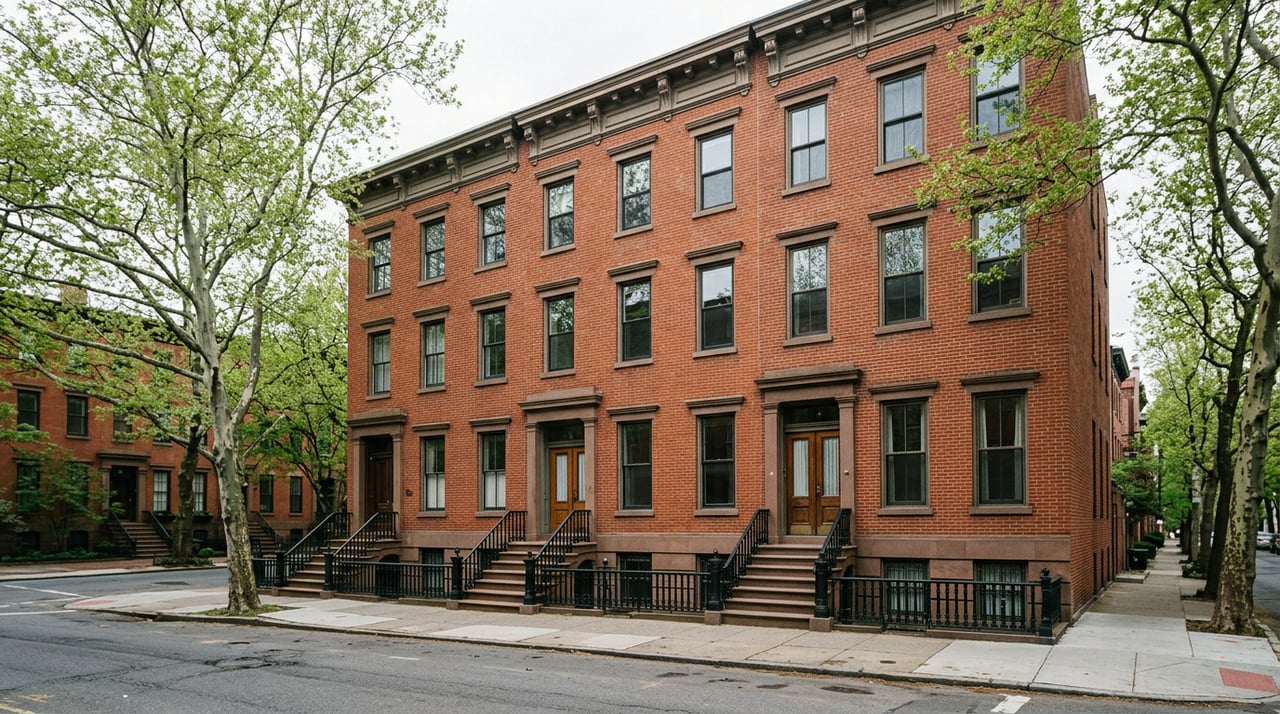
That question is playing out right now inside a building most South Boston buyers have never heard of. In late January, residents of the former Bigelow School, a condo conversion on West 4th Street at E Street, filed plans with the city to tear down their own surface parking lot and build a five-story addition with 45 more condos, stacked over a garage with 75 spaces. On paper it reads like a routine expansion. On the neighborhood forum Universal Hub, where the filing was first reported, one commenter cut straight to the real obstacle: "I can't imagine how anyone would convince 47 unit owners to voluntarily give up their deeded parking."
That sentence is the whole story of South Boston real estate in 2026. In a neighborhood built from triple-deckers, converted rowhouses, and a fast-growing edge of new construction, the parking spot is not an amenity. It is a separate piece of property, and it often decides more of a unit's price than the square footage does.
Deeded, Assigned, or Leased: Three Very Different Assets
Massachusetts condominium law treats parking as real property when it is deeded. A deeded space is recorded in the unit's deed and in the building's master deed at the Registry of Deeds. It transfers automatically with the unit unless the documents say otherwise, and a city assessor can value and tax it separately from the condo itself. That is why a deeded spot behaves like a small, second piece of real estate rather than a perk that came with the unit.
Assigned and leased parking work differently. Those spaces sit outside the deed, governed instead by the condo association's rules or a lease with the building's owner. The rights are real, but they are not collateral. A lender underwriting your mortgage will not count a leased or assigned space as part of what secures the loan, and a condo board can change the leasing terms or reassign spaces in ways it cannot touch a deeded asset.
| Parking Type | Recorded Where | Transfers With the Unit | Counts as Mortgage Collateral | Typical Buyer Appeal |
|---|---|---|---|---|
| Deeded, side-by-side | Unit deed and master deed | Yes, automatically | Yes | Widest pool, easiest to finance and appraise |
| Deeded, tandem | Unit deed and master deed | Yes, automatically | Yes, though often valued lower | Narrower, since two-driver households may pass |
| Assigned or leased | Association rules or a separate lease | No, governed by board policy | No | Appeals to flexible or car-light buyers, adds ongoing cost |
| None | N/A | N/A | N/A | Depends entirely on walk time to transit and street permits |
The distinction matters most at resale, when an appraiser and a lender both have to decide what they are actually financing.
Two Housing Stocks, Two Parking Realities
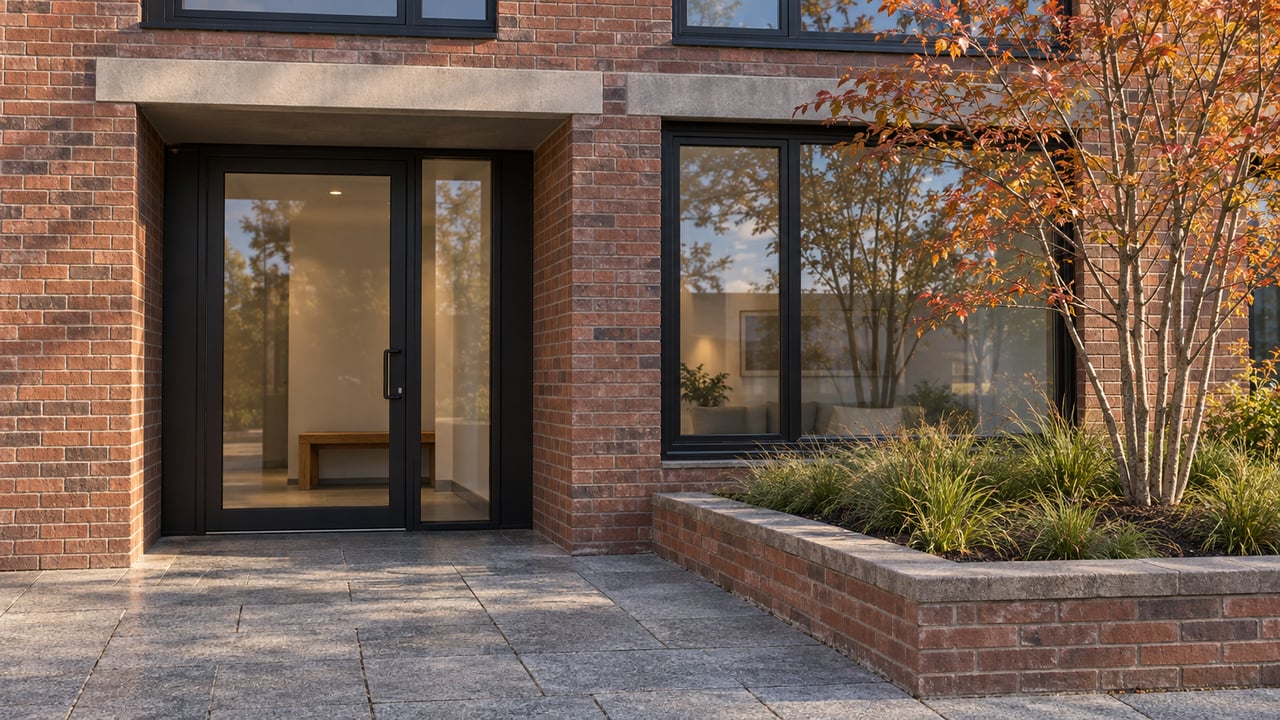
South Boston's inventory splits cleanly along a line that has nothing to do with price alone. On the West Side and along the Broadway corridor, the classic housing type is a Victorian triple-decker converted into floor-through condos, often with no deeded parking at all, since the original buildings predate cars entirely. Newer construction tells a different story. The 47-unit tower rising on the former site of the Cornerstone Pub at 14 West Broadway is being built with 70 parking spaces built in from the start, alongside a gym, a screening room, and a rooftop terrace. A few blocks away, The Mezz, a 42-unit project on the site of the old Broadway Theater across from Lincoln Tavern, was designed around an underground garage as a baseline feature, not an upsell.
That means two units with nearly identical square footage, in the same zip code, can carry very different price tags depending on which era of South Boston they belong to. A triple-decker conversion buyer is often shopping for a home first and negotiating for parking separately, sometimes off-site. A new-construction buyer is paying for parking as part of the base price, whether they want a second car or not.
This is also what makes the Bigelow School vote worth watching. That building already has deeded parking baked into its original conversion. Adding 45 units on top of a rebuilt garage does not just change the building's density. It resets what "deeded" means for every one of those existing 47 owners, because a garage serving 92 units is a different asset than a lot serving 47.
What the Median Price Doesn't Show You
South Boston's headline numbers this year tell a story of stability on the surface. Year-to-date in 2026, the average condo sale in South Boston has closed around $958,000 across 106 transactions, down slightly from $985,000 a year earlier, while single-family sales have averaged $1.23 million, also a modest step down from $1.28 million. Those are citywide-style averages, and they smooth over a lot.
Zoom into a single month and the smoothing disappears. In February 2026, South Boston recorded just seven closed condo sales, at an average price of $1,041,057, with homes selling in 41 days to offer at 97 percent of list price. Seven sales is not a market. It is a handful of buildings, and if two or three of them happened to include garage parking, the monthly average jumps in a way that has nothing to do with a shift in overall demand.
Set South Boston against its neighbors and the parking story gets sharper. As of early 2026, South Boston and Charlestown were trading as Boston's mid-tier neighborhoods, in the $905,000 to $935,000 range, while two-bedroom units in the Seaport were routinely commanding $1.8 million to $2.5 million, and Back Bay and Beacon Hill sat around $1.3 million to $1.6 million. Some of that gap is location and finish level. A meaningful share of it is that Seaport's newer towers build parking into every unit as a matter of course, while South Boston's older stock still has plenty of units where parking is a separate negotiation, or missing entirely.
What to Ask Before You Write an Offer
If you are comparing two otherwise similar South Boston units, the parking line item deserves the same scrutiny as the kitchen renovation. Before you write, or before you accept:
- Ask whether the spot is deeded, assigned, or leased, and get the answer in writing, not verbally from the listing agent.
- If it is deeded, ask whether it is tandem or side-by-side. A tandem space can trade below a side-by-side stall because it requires two drivers to coordinate.
- Ask whether the city assesses the parking space separately for property tax. If it does, that cost belongs in your total monthly number, not a surprise on your first tax bill.
- Read the condo association's meeting minutes for the past year. A building actively debating its parking, the way Bigelow School's owners are right now, can see real shifts in unit value depending on which way the vote goes.
- If the spot is leased or assigned, confirm the fee and the association's authority to change it. Your mortgage lender will not count that space as collateral, so plan your financing math accordingly.
None of this replaces a conversation with a lender or a real estate attorney about your specific building. It does mean you walk into a showing asking the right question instead of the generic one.
A Few Questions Worth Asking
Does a deeded parking space get its own tax bill in South Boston? It can. Because a deeded space is recorded as part of the real property, the city assessor may value and tax it separately from the condo unit itself. Confirm the current assessment with the building's condo documents before you close.
Can a condo board force owners to give up deeded parking? Not unilaterally. Deeded parking is part of the owner's real property interest, recorded in the master deed, and generally cannot be taken without the owner's consent or a supermajority vote spelled out in the condo documents. That is precisely the tension playing out at Bigelow School.
Is deeded parking common in South Boston's older triple-decker conversions? It varies block by block. Many of the neighborhood's older rowhouse and triple-decker conversions predate off-street parking entirely, while newer elevator buildings near the Seaport edge are built with garage parking as a standard feature. That split is exactly why comparing two "similar" units on paper can mean comparing two very different real estate positions.
South Boston rewards buyers and sellers who look past the listing photo and into the documents. If you are weighing a purchase or a sale here, and want a second read on what a building's parking history actually means for value, David Mackie can walk the comps, the condo minutes, and the fine print with you before you ever make an offer. Receive exclusive off-market listings by reaching out directly.