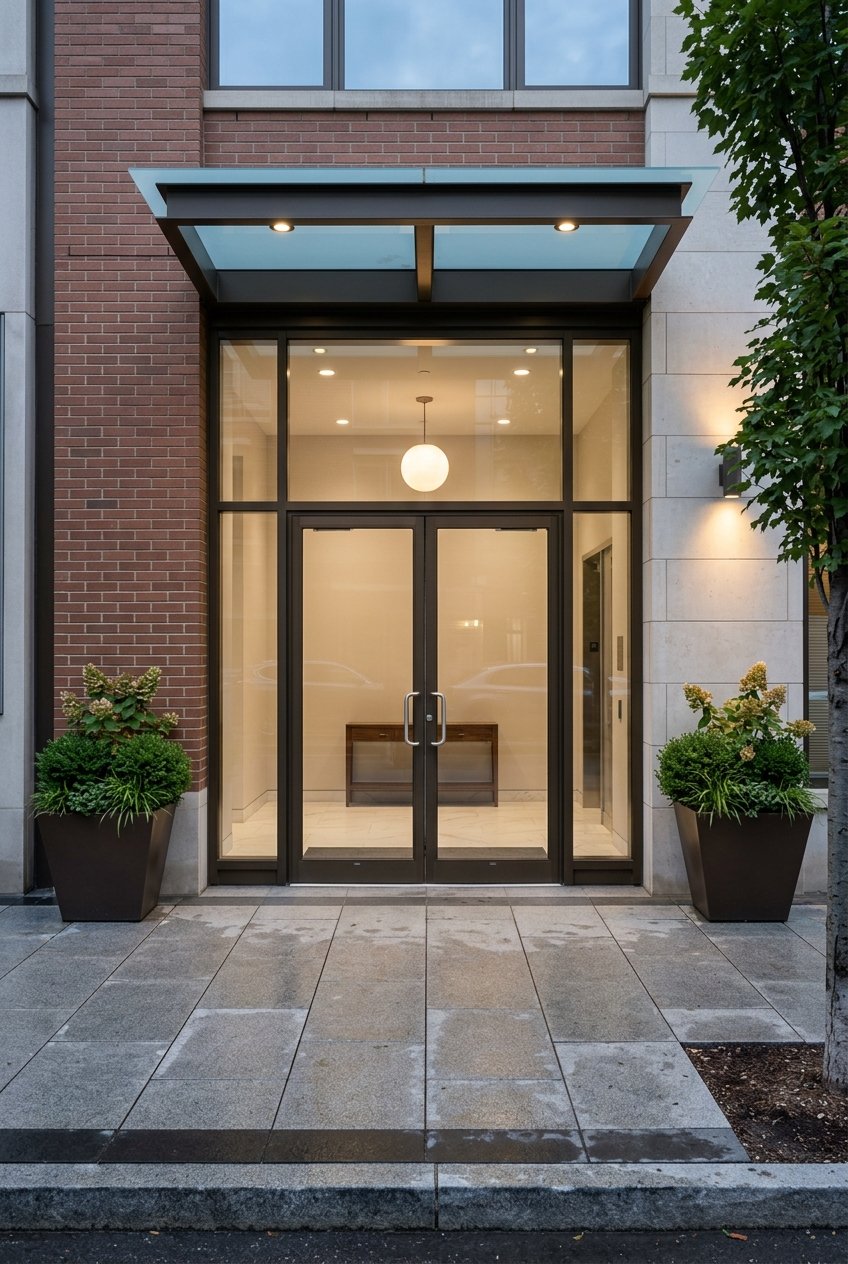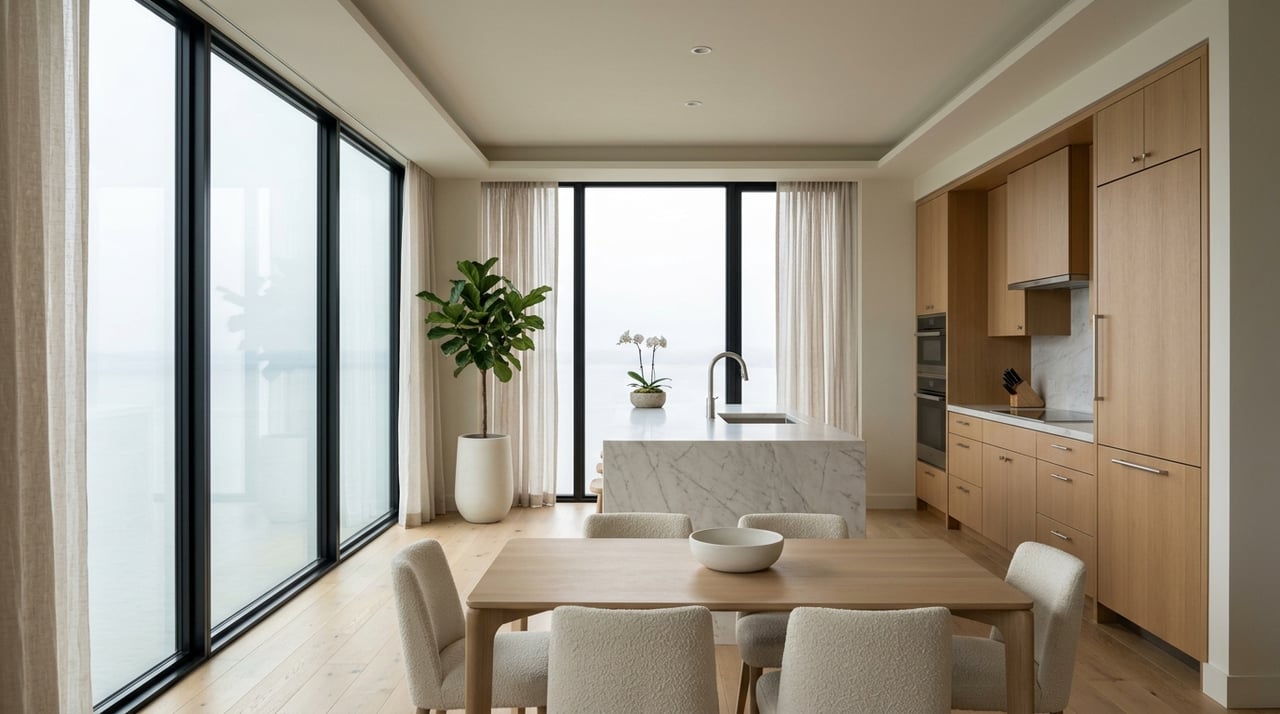
If your Boston Waterfront condo is going to stand out, a harbor address alone is not enough. Buyers in this part of Boston are weighing price, view quality, building services, HOA value, and digital presentation with a very sharp eye. In a market that currently gives buyers more room to compare options, the right launch strategy can make a meaningful difference. Let’s dive in.
Understand the Waterfront market first
Boston Waterfront is a condo-only micro-market, and it sits in a premium tier within the city. Recent neighborhood data show an average condo sale price of $1.50 million across 41 closed sales year-to-date, with 8.8 months of supply and an average of 81 days to offer as of June 2, 2026. Other recent neighborhood data show a median sale price of $1.235 million, 68 days on market, and a 95.1% sale-to-list ratio.
The key takeaway is simple: this is not a market where you can price loosely and expect the address to carry the listing. Realtor.com also classifies Waterfront as a buyer’s market, with homes selling 2.72% below asking on average and a median listing price of $1.6 million. For sellers, that means pricing discipline and presentation quality matter just as much as location.
Price the condo as a full product
Buyers on the Waterfront are not comparing condos by square footage alone. They are comparing floor height, the quality of the view, the service level in the building, monthly HOA costs, parking, storage, and how the home lives day to day. Your listing has to reflect that broader value equation.
A smart pricing strategy should also separate one type of waterfront unit from another. Research on view premiums shows that water and open views can carry meaningful pricing advantages, often in the 5% to 25% range depending on the market and the way the view is measured. In practice, an unobstructed harbor view, a partial water view, and a no-view unit should not be treated as interchangeable.
View tier matters more than many sellers expect
If your condo has a direct harbor view, that feature should sit at the center of the pricing and marketing story. If the view is partial, framed, or seasonal, the listing should present it clearly and accurately. Sophisticated buyers will notice the difference quickly, especially online.
This is one reason precise valuation matters on the Waterfront. A condo may be in the same building or on the same block as another sale, but if the exposure, elevation, or window line differs, the market may see those homes very differently.
HOA fees need context
In luxury waterfront buildings, HOA fees are often part of the buyer’s investment analysis. Service-heavy buildings may include concierge, valet, fitness facilities, on-site management, garage parking, storage, or other operational support that changes the ownership experience.
That means the monthly fee should not be presented as an isolated number. Instead, buyers should understand what the fee supports and how it compares with the building’s service model. Clarity builds confidence, especially when buyers are deciding between several luxury condos.
Sell the waterfront lifestyle accurately
Waterfront value is about more than a line item called “view.” Boston’s public realm plays a major role in buyer appeal here, including access to Harborwalk and proximity to the Rose Kennedy Greenway. Boston describes Harborwalk as a continuous 40-mile public walkway along the water’s edge, and the Greenway adds open space and downtown connectivity that many buyers actively seek.
For your listing, that means the story should connect the condo to how you live in the neighborhood. Walkability, access to the waterfront edge, nearby open space, and ease of reaching downtown all help shape buyer perception. The strongest listings make that lifestyle legible without overstating it.
Prepare the condo before it goes live
In a buyer-favored market, a rushed launch can cost you early momentum. If your condo hits the market before the pricing, staging, photography, and paperwork are ready, buyers may form their first impression before the home is being shown at its best.
A better approach is to treat launch as a coordinated release. That means the condo is cleaned, edited, staged where appropriate, documented properly, and visually complete before the first buyer sees it online.
Staging still moves the needle
Staging can be especially useful in luxury condos because buyers often respond to proportion, flow, and the relationship between the living space and the windows. According to the National Association of Realtors’ 2025 Profile of Home Staging, 83% of buyers’ agents said staging made it easier for buyers to visualize the property as a future home. The same report found that 49% of sellers’ agents said staging reduced time on market.
For a Boston Waterfront condo, staging should focus first on the rooms that shape emotion and orientation. That usually means the living room, primary bedroom, and dining area, which are also the rooms most commonly staged according to the same report. The goal is not to overfill the space, but to help buyers see scale, light, and how the home frames the view.
Condition and editing matter
Luxury buyers tend to notice small distractions quickly. Overly personal decor, heavy furniture, cluttered surfaces, and worn finishes can pull attention away from the architecture, windows, and setting.
Before launch, it helps to simplify the visual field. Clean sight lines, light maintenance, and a calm furniture plan can make the condo feel larger, brighter, and more refined. On the Waterfront, that often means letting the windows and layout do the talking.
Invest in visual assets that answer buyer questions
Most buyers will meet your condo online before they ever step inside. NAR’s 2025 buyer and seller trends report says 51% of buyers found the home they purchased on the internet, compared with 29% who found it through a real estate agent. For a high-value Waterfront listing, that makes digital presentation central to the sale.
The most effective launch package usually includes professional photography, video, a virtual tour, and a floor plan. NAR’s 2025 staging research found that buyers’ agents rated photos, videos, and virtual tours as important to their clients, and sellers’ agents also ranked photos and video highly.
Show the view honestly and well
For Waterfront condos, photos should do more than capture attractive finishes. They need to show the actual view corridor, the living area in relation to the windows, and the way light moves through the main rooms.
If the condo has a balcony, terrace, storage room, deeded parking, or notable building amenities, those features should be documented carefully as well. Buyers in this segment are often evaluating the full ownership package, not just the kitchen and baths.
Floor plans are especially useful here
MLS PIN notes that floor plans help buyers understand square footage, layout, and flow. That matters even more in luxury condos, where room proportions, circulation, and furniture placement can influence value perception.
A floor plan can answer practical questions before a showing is scheduled. It helps buyers understand whether the home feels open, where bedrooms sit in relation to entertaining space, and how the unit’s design supports daily living.
Address flood and resilience questions early
Boston says it is among the most vulnerable cities in the country to flooding, with coastal flooding driven by sea-level rise, storm surge, and more intense precipitation. The city is also implementing coastal resilience projects across the waterfront. For many buyers, especially those relocating or purchasing a second residence, this topic is part of the due diligence process.
That does not mean your listing should sound alarmist. It does mean buyers may expect clear information if flood exposure, insurance considerations, or building resilience measures are material to the property. A measured, transparent approach can support confidence and reduce uncertainty.
Be ready on Massachusetts disclosure basics
Massachusetts has a relatively limited affirmative seller-disclosure framework, but there are still important requirements that can affect a Waterfront condo launch. The state requires a Property Transfer Lead Paint Notification for homes built before 1978. The state also requires a separate written disclosure of the buyer’s right to a home inspection before or at the signing of the first purchase contract.
Because parts of Boston’s housing stock are older, these steps matter. Sellers and agents generally may not condition acceptance of an offer on the buyer waiving or limiting a home inspection, unless an exemption applies. Getting these details organized early helps avoid friction once interest arrives.
Time the launch, but prioritize readiness
Seasonal timing can help, but listing quality matters more than chasing a date on the calendar. National research from Realtor.com identified April 12 through 18, 2026 as the strongest week to sell, with homes historically drawing more views, selling faster, and listing at higher median prices than at the start of the year.
Still, Waterfront’s current conditions point to a more important truth. In a market with more supply and longer marketing times, a fully prepared launch usually beats a rushed launch. If you need extra time to refine pricing, complete staging, or improve visual assets, that preparation may be worth more than hitting an ideal week.
Make distribution broad and immediate
Once the condo is ready, distribution should be comprehensive from day one. MLS PIN’s Pinergy platform offers free automatic syndication to local and national portals, along with tools that support listing visibility and buyer matching.
That broad release matters because luxury Waterfront buyers may be local, relocating, or coming from outside the market. Consistent copy, strong visuals, and complete property details across every channel help you capture attention early and present the condo as a polished, credible offering.
Why strategy matters more on the Waterfront
The Boston Waterfront is a premium niche within Boston, but it is not immune to competition. With buyer-favored conditions, sale-to-list discounts, and longer days on market than many sellers expect, the listing has to perform on price, presentation, and precision.
That is where careful stewardship matters. The strongest results often come from treating the condo not as a generic listing, but as a distinctive asset with its own view tier, service profile, and buyer story.
If you are preparing to sell a Boston Waterfront condo and want discreet, data-driven guidance on pricing, presentation, and launch strategy, connect with David Mackie for a tailored consultation.
FAQs
What makes pricing a Boston Waterfront condo different from pricing other Boston condos?
- Waterfront buyers often compare view quality, floor height, building services, HOA value, parking, and layout along with square footage, so pricing needs to reflect the full package.
How important are views when listing a Boston Waterfront condo?
- Views can be a major value driver, and an unobstructed harbor view, partial water view, and no-view unit should usually be priced and marketed differently.
Should you stage a luxury condo on the Boston Waterfront before listing it?
- Yes, staging can help buyers visualize the home, highlight the relationship between the living space and the windows, and may help reduce time on market.
What marketing materials matter most for a Boston Waterfront condo listing?
- Professional photos, video, a virtual tour, and a floor plan are all valuable because many buyers first encounter luxury condos online.
Do flood and resilience issues matter when selling a Boston Waterfront condo?
- Yes, buyers may want clear information about flood exposure, insurance considerations, or building resilience features when those issues are material to the property.
What Massachusetts disclosure items should sellers review before listing a Waterfront condo?
- Sellers should be ready to address lead paint notification for homes built before 1978 and the required written disclosure of the buyer’s right to a home inspection.