If you are considering Seaport, you are probably not looking for a classic Boston brownstone experience. You are looking for something more streamlined, more service-oriented, and more connected to the waterfront. In Seaport, luxury high-rise living often feels less like traditional city ownership and more like a modern, full-service lifestyle. Let’s take a closer look at what that means day to day.
Seaport feels like a waterfront district
Seaport is best understood as a mixed-use waterfront district rather than a traditional residential neighborhood. Boston’s South Boston Waterfront Public Realm Plan describes it as a 24-hour neighborhood with residential, commercial, civic, retail, and industrial uses, along with public transit and an accessible waterfront.
That planning framework shapes how the area feels when you live there. Instead of a quiet rowhouse block, you are in a district designed to stay active throughout the day and evening, with homes, offices, restaurants, cultural destinations, and public spaces woven together.
Luxury towers shape daily life
In Seaport, the building itself often plays a much larger role in your routine than it would in many other Boston neighborhoods. Across several major towers, the amenity mix points to a hotel-style living experience built around convenience, service, and shared spaces.
Examples across Seaport buildings include features such as:
- 24-hour or seven-day concierge service
- Professional door attendants
- Resident lounges and shared workspaces
- Coffee or espresso service
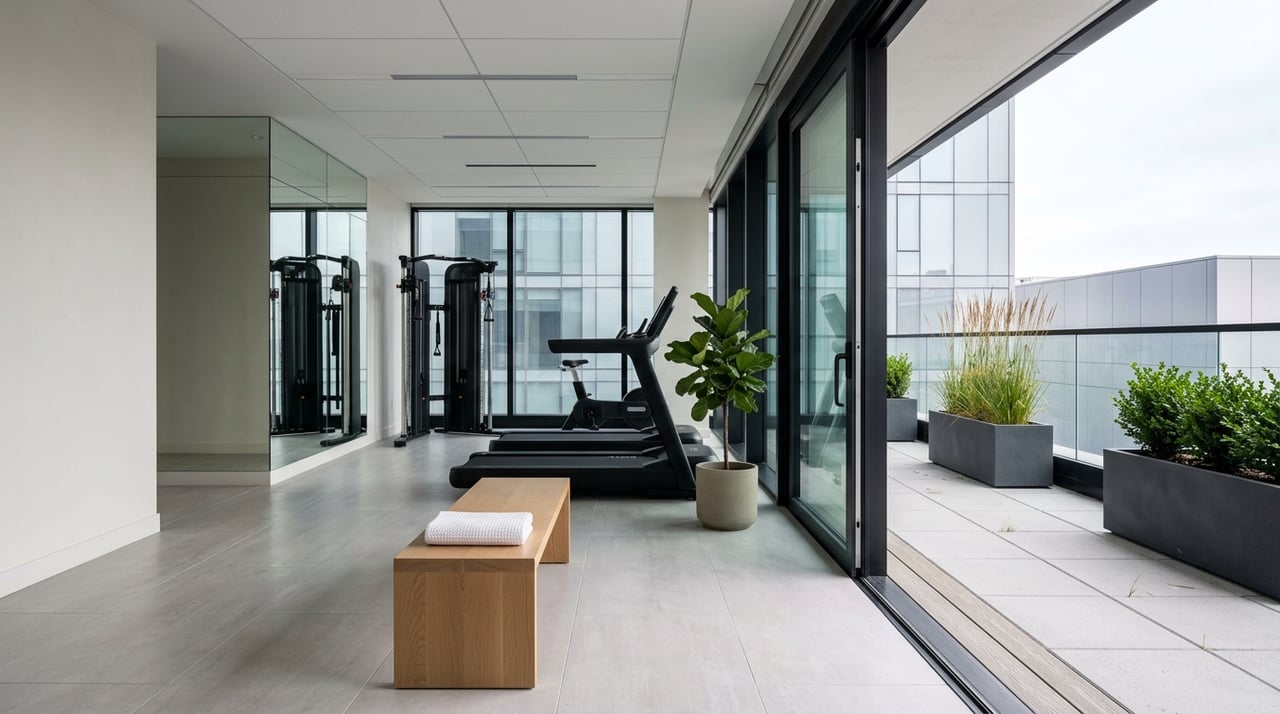
- Fitness centers and wellness studios
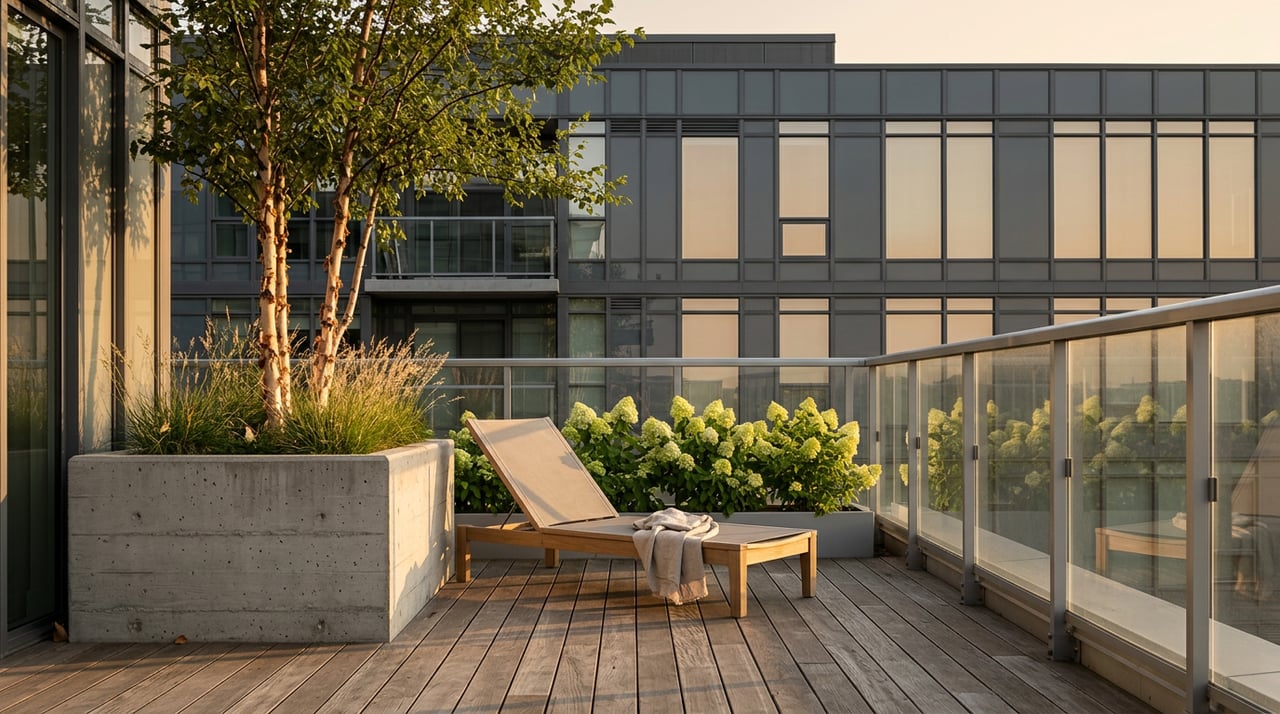
- Outdoor terraces, roof decks, and sky lounges
- Pools, spa spaces, and wellness amenities in some buildings
- Package handling and grocery delivery storage
- Dog runs or pet care amenities in some properties
- Garage parking in many buildings
Taken together, those features suggest a clear pattern. Your morning coffee, workout, remote work block, package pickup, and evening unwind may all happen within the building before you even step outside.
What the routine can feel like
One reason buyers are drawn to Seaport is that the lifestyle can feel highly efficient. If your building offers concierge support, a lounge, fitness space, and roof deck, everyday logistics become simpler and more contained.
That creates a very different rhythm from a traditional walk-up or historic condominium. You may start the day with coffee in the building, head out for a waterfront walk, work from a shared resident space, and return in the evening to a staffed lobby and skyline or harbor views.
The neighborhood extends beyond the lobby
In Seaport, the appeal does not stop at the front desk. The neighborhood itself often functions like an extension of the building, with dining, recreation, culture, and transportation all close at hand.
Watermark Seaport’s neighborhood materials group the district around restaurants, shopping, parks and recreation, transportation, health and fitness, and art and culture. The ICA also notes the concentration of restaurants, hotels, residences, and nearby destinations within walking distance.
For you as a resident, that means daily convenience. A dinner out, a waterfront stroll, a museum visit, or a quick errand can often happen without much planning.
Harborwalk changes the living experience
One of Seaport’s defining assets is the Harborwalk. Boston Harbor Now describes it as a near-continuous 43-mile linear park connecting Seaport with Downtown, South Boston, the North End, Charlestown, Dorchester, and East Boston.
That matters because it makes the waterfront part of your regular routine, not just a visual backdrop. The Harborwalk links open space, cultural sites, restaurants, stores, and water transportation infrastructure in a way that supports both movement and leisure.
In practical terms, that can make Seaport feel unusually open for an urban setting. You are living in a dense part of Boston, but with direct access to water views, public pathways, and outdoor spaces that soften the experience.
Walkability is a real advantage
If walkability is important to you, Seaport has a strong case. The ICA describes the area as one of North America’s most walkable, with destinations such as the Children’s Museum, Fort Point, the New England Aquarium, the Boston Convention and Exhibition Center, restaurants, hotels, and residences all nearby.
Martin’s Park also adds an inclusive waterfront public space beside the Children’s Museum. For many residents, that combination of cultural access and waterfront movement is a major part of the district’s appeal.
Walkability in Seaport feels different from walkability in older Boston neighborhoods. Here, it is often defined by broad public spaces, waterfront routes, and newer mixed-use development rather than compact historic streets.
Dining becomes part of the rhythm
Dining is one of the clearest lifestyle benefits of living in Seaport. Neighborhood materials from Seaport Hotel describe the district as lined with restaurants, bars, and shops, with options ranging from casual stops to more upscale settings.
The key takeaway is convenience and density. If you enjoy having multiple dining choices within a short walk, Seaport supports that kind of routine especially well.
That does not mean every outing needs to be a major occasion. One of the benefits of the district is that an easy weeknight dinner, a quick coffee, or a relaxed waterfront meet-up can feel built into everyday life.
Transit is part of the design
Seaport is not just about private car access, even though many luxury buildings offer garage parking. The district is built around a broader transportation mix that includes walking, transit, biking, and water travel.
Boston notes that Silver Line 4 and 5 connect Downtown, Seaport, and South Station. The city has also supported commuter water shuttle service to the South Boston Waterfront, and the ICA notes access through South Station and the Silver Line Waterfront, as well as water taxi service from downtown waterfront stops.
For residents, that means you may not need to think about movement in only one way. Depending on your schedule, your day might involve walking to dinner, taking transit to another part of the city, or using water transportation as an alternative to road travel.
Seaport versus brownstone Boston
For many buyers, the real question is not whether Seaport is appealing. It is how it compares with Boston’s more traditional luxury neighborhoods such as Back Bay, Beacon Hill, and the South End.
Boston describes Beacon Hill as a protected historic district with brick row houses, narrow streets, brick sidewalks, and gas lamps. The South End is known for Victorian brownstone buildings, while the Back Bay Architectural District reflects a carefully reviewed historic environment.
Seaport offers a different kind of luxury. It is more open, more vertical, and more centered on shared amenities, staffed service, and waterfront access.
Historic character versus modern convenience
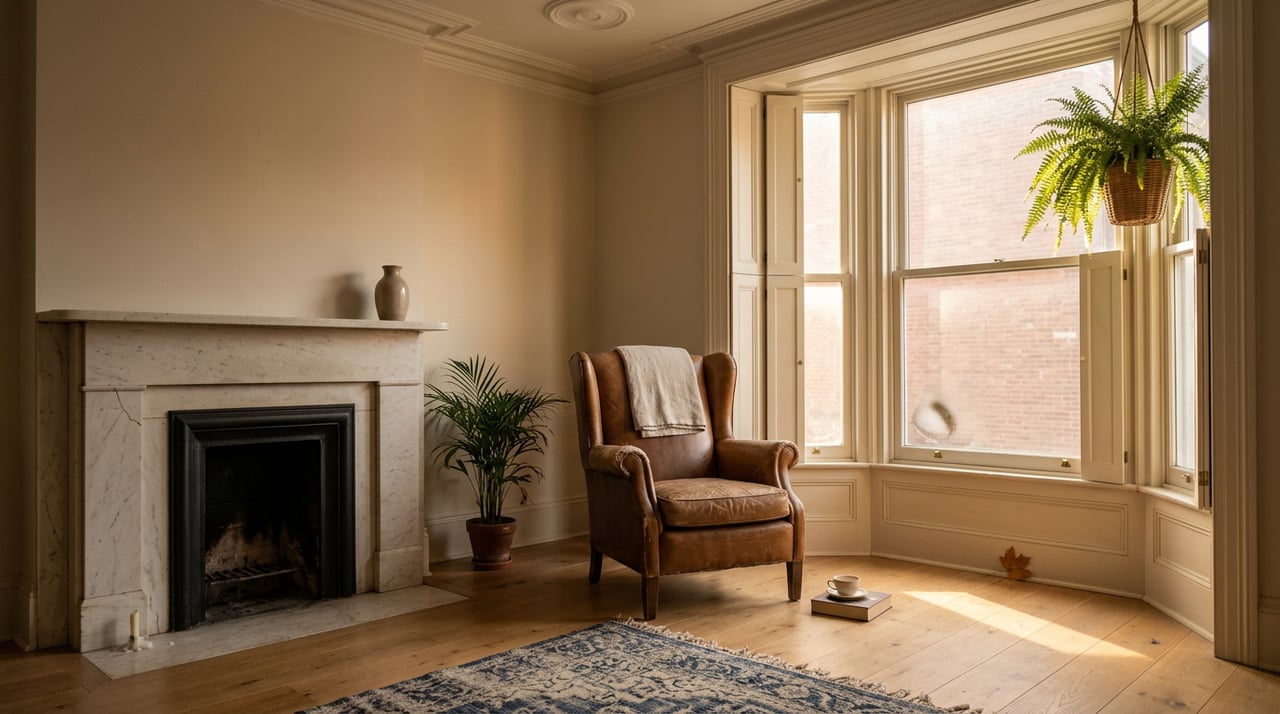
If you are drawn to brownstone neighborhoods, you may value architectural history, intimate streetscapes, and a more private building experience. Those settings often feel quieter and more rooted in Boston’s older residential fabric.
Seaport shifts the emphasis. Here, the experience is often more communal and amenity-driven, with roof decks, lounges, pools, concierge desks, and larger common areas shaping daily life.
Neither model is universally better. The right fit depends on whether you are prioritizing historic character, or a more contemporary and service-oriented way of living.
Privacy feels different in a tower
Privacy in a luxury high-rise is often structured through staffing, access control, and building management rather than through the smaller scale of a townhouse or boutique condo. For some buyers, that feels reassuring and efficient.
At the same time, the lifestyle is more shared by design. Amenities such as lounges, fitness centers, sky decks, and pools are part of what you are buying into, so the experience tends to feel more collective than a traditional brownstone residence.
Waterfront living also means planning ahead
An important part of Seaport living is that the waterfront is actively managed and planned for long term resilience. Boston notes that Seaport and Back Bay sit on filled land, and the city’s South Boston coastal resilience planning has studied the waterfront from Fort Point Channel to Moakley Park.
Boston’s resilience strategy also references raised Harborwalks as one approach to maintaining access while reducing flood risk. For buyers evaluating waterfront property, this is a useful reminder that modern luxury here includes not only views and access, but also ongoing city planning around climate and infrastructure.
Who Seaport tends to suit best
Seaport often resonates with buyers who want a turnkey, lock-and-leave city residence with strong service and modern building systems. It can also appeal to those who value a polished arrival experience, easy access to dining and culture, and a more contemporary style of urban living.
If you are relocating, downsizing, or looking for a high-amenity second home in Boston, Seaport may feel especially compelling. The district offers a lifestyle where convenience, design, and waterfront access are closely linked.
For buyers deciding between Seaport and Boston’s historic core, the choice usually comes down to how you want your home to function. If you want your building to do more for you every day, Seaport has a distinct advantage.
If you are weighing Seaport against Back Bay, Beacon Hill, the South End, or the Waterfront, working with an advisor who understands the texture of each micro-market can make the decision far clearer. For discreet guidance, curated opportunities, and concierge-level representation in Boston’s luxury market, connect with David Mackie.
FAQs
What does luxury high-rise living in Seaport feel like day to day?
- It often feels hotel-like, with features such as concierge service, staffed lobbies, lounges, fitness spaces, coffee service, and roof decks shaping your daily routine.
Does Seaport in Boston feel walkable for residents?
- Yes. The district is known for strong walkability, with the Harborwalk, cultural destinations, parks, restaurants, and other daily conveniences close together.
How does Seaport compare with Back Bay or Beacon Hill?
- Seaport is generally more modern, amenity-driven, and waterfront-focused, while Back Bay and Beacon Hill are more historic in architecture and street character.
Is parking available in Seaport luxury buildings?
- In many cases, yes. Several Seaport luxury towers advertise garage parking, even though the area also supports transit, walking, biking, and water transportation.
Why do buyers choose Seaport over a brownstone neighborhood?
- Many buyers are drawn to Seaport for its turnkey living, full-service buildings, modern amenities, immediate waterfront access, and a lifestyle centered on convenience.
Is Seaport only about the buildings themselves?
- No. A major part of the appeal is that the surrounding district acts as an extension of the building, with dining, culture, recreation, and transit integrated into everyday life.