Looking for a Boston home base that feels polished, practical, and easy to use? A Waterfront condo can make a compelling pied-à-terre because it puts you at the center of the city while offering the kind of services and convenience many second-home buyers value most. If you want a residence that supports frequent travel, simple arrival and departure, and a refined lock-and-leave lifestyle, the Waterfront deserves a close look. Let’s dive in.
Why the Boston Waterfront Fits
For pied-à-terre buyers, the Boston Waterfront is not just about harbor views. In this context, it includes the Wharf District and the adjoining downtown harbor edge, with areas such as Long Wharf, Rowes Wharf, Central Wharf, India Wharf, Griffin Wharf, Independence Wharf, Russia Wharf, Town Cove, and nearby Greenway parcels. That matters because you are not choosing an isolated edge neighborhood. You are choosing a central city base with direct ties to Downtown.
The location works especially well if your priority is convenience. The nearby downtown core includes corporate headquarters, residences, and major attractions, which gives the Waterfront a very usable day-to-day footprint. For many buyers, that is the essence of a successful pied-à-terre: a residence that helps you move through the city efficiently.
Mobility Makes Daily Use Easier
A second home tends to work best when getting in and out feels simple. On that front, the Waterfront stands apart because of the Harborwalk and Boston’s ferry connections. Boston Harbor Now describes the Harborwalk as a near-continuous 43-mile linear park running along 43 of the city’s 47 shoreline miles.
That network connects waterfront neighborhoods to one another and broadens how you use the city without relying on a car every time. Year-round MBTA ferry service from Long Wharf serves Logan Airport, Hull, Hingham, and Charlestown Navy Yard, with seasonal service to East Boston, Lynn, Quincy, and Winthrop. Boston Water Taxi also serves more than 20 inner-harbor locations.
For a pied-à-terre owner, that can translate into a smoother routine. You may be able to arrive, settle in, and move through Boston with less friction than in many other urban settings. When you use your condo intermittently, ease matters.
Harborwalk Adds Everyday Amenity Value
The Waterfront lifestyle is not confined to your building. According to Boston Harbor Now, the Harborwalk connects residents and visitors to more than forty parks, a dozen museums, seven beaches, and hundreds of restaurants and stores. That gives the neighborhood an expanded amenity base beyond the usual lobby, gym, and garage.
For buyers who want a city residence that feels active but manageable, this is a meaningful advantage. You can step outside and immediately access open space, cultural destinations, and dining options without planning your day around driving. In practical terms, that supports the kind of flexible city use many second-home owners want.
What Building Type Matters Most
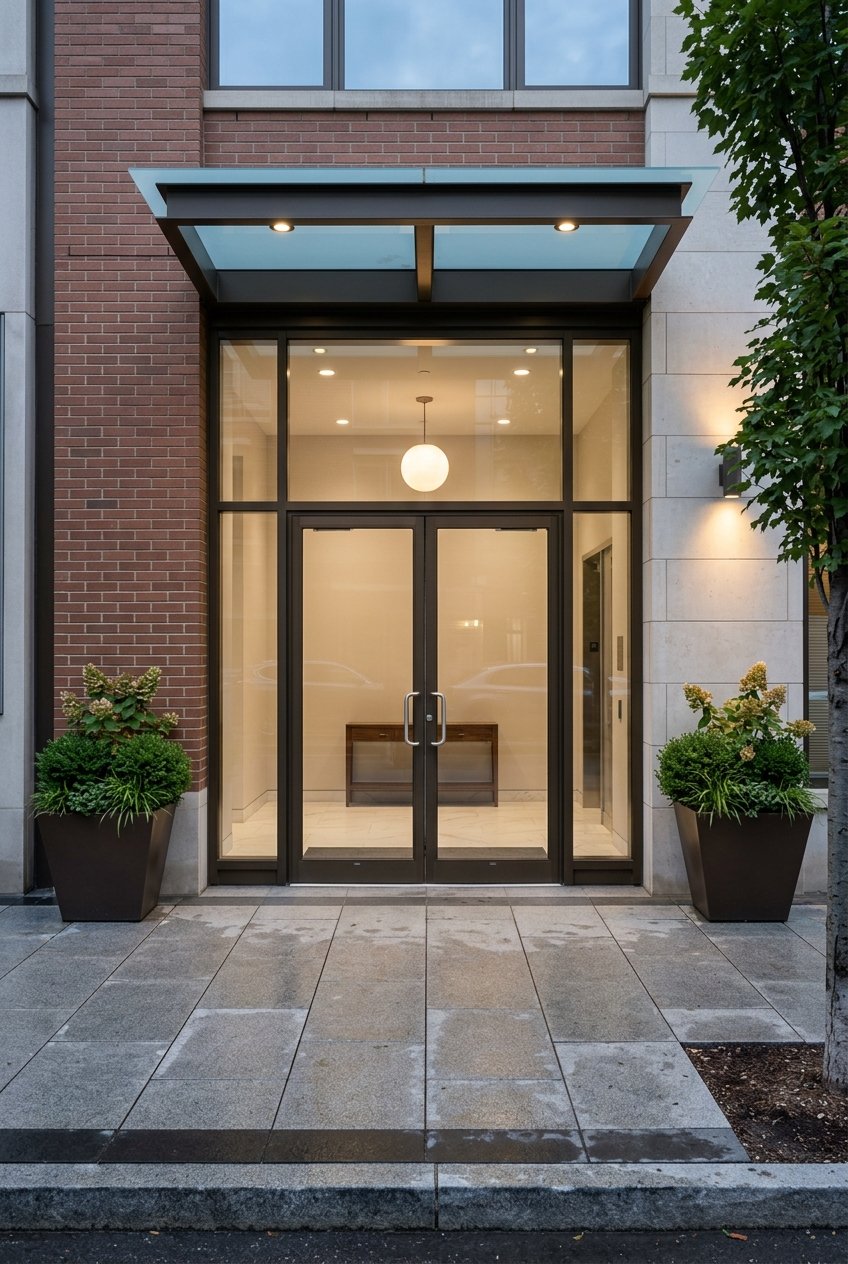
Not every Waterfront condo serves a pied-à-terre lifestyle equally well. The inventory ranges from renovated wharf buildings to newer full-service towers, and the service model varies from building to building. For many buyers, the most useful properties combine concierge or doorman staffing with valet or garage parking, elevators, package handling, and fitness facilities.
Some buildings also offer hotel-linked services, which can be especially attractive for a second residence. Depending on the property, that may include room service, cleaning, spa access, or preferred hotel rates. When you are not in Boston full-time, those details can matter as much as square footage.
Examples of Waterfront Condo Lifestyles
Several established Waterfront buildings illustrate how different the options can be.
Battery Wharf
Battery Wharf is a hotel-connected waterfront development with valet parking, doorman and concierge service, room service, cleaning, spa and fitness access, private marina access, and water taxi service. Its condo fees also include cable, phone, and high-speed internet. For buyers seeking a serviced, lock-and-leave setup, this is the kind of profile that often stands out.
Rowes Wharf
Rowes Wharf includes 98 condos, with one-bedroom residences through penthouses. The amenity package includes a 24/7 concierge, doorman, valet or self-parking, room service, and a 60-foot indoor lap pool. For a buyer who wants an established full-service address with a broad range of unit sizes, Rowes Wharf presents a strong case.
Burroughs Wharf
Burroughs Wharf offers 69 residences ranging from one bedroom to four bedrooms, including single-level, duplex, and triplex layouts. Each unit has at least one deeded garage parking space, and the building highlights airport water-shuttle access. If your priority is parking certainty and a more varied layout mix, this building shows the breadth of Waterfront options.
Harbor Towers
Harbor Towers is a larger tower property with 628 condos, a 24-hour concierge, and a pool with grills and seating. Many units have balconies, and the building sits within walking distance of both the Seaport District and the Financial District. For buyers who value scale, centrality, and established services, it is another relevant model.
The Best Layout for a Pied-à-Terre
In many cases, a one-bedroom or one-bedroom-plus-den plan is the natural fit for a city pied-à-terre. These layouts can be efficient, easier to maintain, and well-suited to shorter stays. That said, the Waterfront is not limited to smaller residences.
You will also find larger two- to four-bedroom homes and penthouses. The right choice depends less on a standard formula and more on how you intend to use the property. If you host family, work from the city regularly, or expect extended stays, a larger plan may be justified.
Costs to Budget Carefully
A polished second home still comes with real carrying costs, and Waterfront buyers should evaluate them with care.
Property Taxes
Boston’s 2026 residential tax rate is $12.40 per $1,000 of assessed value. At that rate, a $2 million condo would have an annual tax bill of about $24,800, while a $3 million condo would be about $37,200 before any exemption. Boston states that the residential exemption applies only if you own and live in the home, so a true pied-à-terre would typically not qualify.
Condo Fees and Common Charges
Massachusetts law requires common expenses to be assessed at least annually and requires condominiums to maintain an adequate replacement reserve fund that is separate from operating funds. In practical terms, buildings with more staffing, more amenities, and stronger reserves often have higher monthly fees. That does not make them poor choices, but it does mean you should understand exactly what those fees support.
Insurance and Upkeep
Boston’s homeownership guidance notes that ownership costs go beyond principal and interest. Taxes, insurance, and upkeep all matter. Even in a condo, upkeep should not be underestimated, especially in a coastal setting where building systems and resilience features deserve closer attention.
Parking and Building-Specific Charges
Parking and storage can be structured differently from one property to the next. In some buildings, they are deeded. In others, they may be valet-based or billed separately. Service bundles also vary, which is why one building’s fee structure may not compare neatly with another’s.
Due Diligence Matters More on the Waterfront
The Waterfront’s appeal is clear, but a refined purchase process still depends on disciplined review. In Massachusetts, condominium ownership is governed by the master deed, bylaws, current budget, reserve information, insurance certificate, and related governing documents. Those records help clarify whether a building is genuinely low-maintenance or simply high-cost.
You should also ask about parking and storage allocations, guest and pet rules, and any restrictions affecting how you intend to use the home. A pied-à-terre buyer often values flexibility, so building rules are not a minor detail. They are part of the lifestyle equation.
Assessment history also deserves close attention. Massachusetts law allows additional charges in certain situations, and buyers should ask whether a building has had special assessments and what caused them. In a waterfront setting, that question carries extra weight because coastal exposure can increase long-term capital needs.
Resilience Should Be Part of the Conversation
When you buy on the harbor, views and access are only part of the story. The City of Boston says it is preparing the waterfront with resilient open spaces, prepared buildings and infrastructure, strengthened seawalls, flood barriers, elevated parks, and elevated harborwalks. For buyers, that points to a practical takeaway.
You should evaluate not just the unit, but the building’s approach to flood mitigation, infrastructure planning, and insurance. In a second home, reliability matters. A well-positioned condo should support ease of ownership in every season, not just offer a dramatic outlook.
How the Waterfront Compares Nearby
The best pied-à-terre is not the same for every buyer. Comparing the Waterfront with nearby central Boston neighborhoods can help clarify fit.
Waterfront vs. Back Bay
Back Bay is known as a protected historic district with shops, restaurants, and vintage homes along Newbury Street, Boylston Street, and Commonwealth Avenue. It offers classic Boston character, but it is generally less harbor-oriented and less uniformly hotel-like than the Waterfront. If your priority is full-service convenience, the Waterfront often has the edge.
Waterfront vs. Beacon Hill
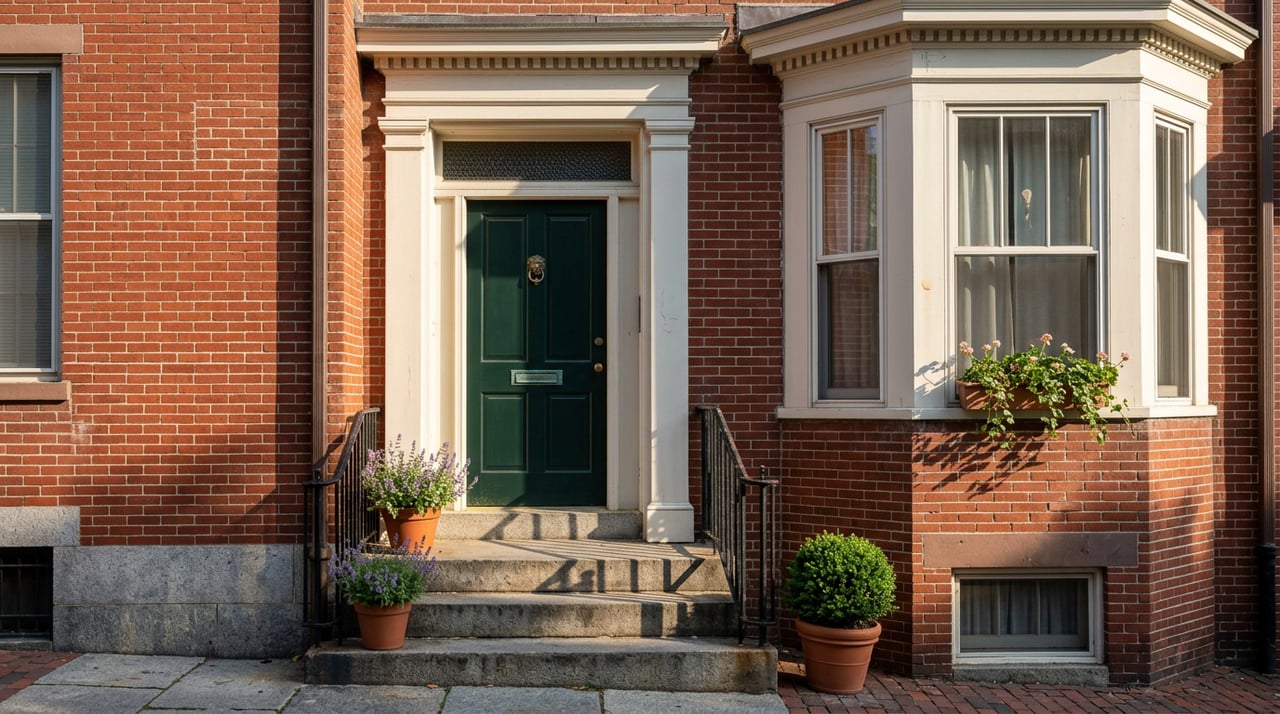
Beacon Hill is defined by brick row houses, narrow streets, brick sidewalks, and gas lamps. It has exceptional architectural character, but the housing stock is more historic and generally less geared toward lock-and-leave living than full-service waterfront towers. For some buyers, charm wins. For others, ease of use does.
Waterfront vs. South End
The South End is a centrally located neighborhood just minutes from Downtown and Back Bay. It offers strong residential appeal, but it is not organized around harbor access, ferry service, or waterfront open space in the same way. If water access and in-and-out logistics are high on your list, the Waterfront is more specialized.
Waterfront vs. Downtown
Downtown delivers centrality, major attractions, and an established urban core. The Waterfront shares that centrality, but adds a more distinct harbor-side lifestyle through the Harborwalk, ferry network, and greater concentration of hotel-connected condo product. For a pied-à-terre buyer, that difference can be decisive.
When a Waterfront Condo Makes the Most Sense
A Boston Waterfront condo is often the right fit when you want your city residence to function as a polished, efficient base rather than a full-scale primary home. The neighborhood is especially compelling if you value strong building services, walkability, ferry access, and a lifestyle that feels easy to step into and step away from.
For many second-home buyers, the goal is not simply to own in Boston. It is to own well, in a residence that supports the way you actually live and travel. If that is your priority, the Waterfront deserves serious consideration.
If you are considering a Waterfront pied-à-terre and want discreet guidance on building fit, layout efficiency, and off-market opportunities across central Boston, David Mackie can help you navigate the search with care and precision.
FAQs
What makes the Boston Waterfront a good pied-à-terre location?
- The Waterfront combines central Boston access, the Harborwalk, ferry service, and a concentration of full-service condo buildings, which can make part-time city living easier and more convenient.
Which Boston Waterfront condo features matter most for second-home buyers?
- The most important features often include concierge or doorman service, garage or valet parking, elevators, package handling, fitness space, and clear building policies that support a lock-and-leave lifestyle.
Are Boston Waterfront condo fees usually higher?
- They can be, especially in buildings with more staffing, amenities, hotel-linked services, or stronger reserve funding, so it is important to review exactly what the monthly charges cover.
Do pied-à-terre owners get the Boston residential tax exemption?
- Boston states that the residential exemption applies only if you own and live in the home, so a true second home or pied-à-terre would typically not qualify.
What documents should you review before buying a Boston Waterfront condo?
- Key items include the master deed, bylaws, current budget, reserve information, insurance certificate, parking and storage allocations, and rules affecting guests, pets, and building use.
How does the Waterfront compare with Back Bay or Beacon Hill for a second home?
- Back Bay and Beacon Hill offer historic character, while the Waterfront more often offers full-service buildings, harbor access, ferry connections, and an easier lock-and-leave setup.