What makes Back Bay feel unmistakably like Back Bay? It is more than a famous address or a row of handsome brownstones. The neighborhood’s identity comes from a rare mix of planned design, preserved architecture, and everyday access to parks, culture, transit, and retail. If you are considering a move, preparing to sell, or simply trying to understand what gives this part of Boston its lasting appeal, the landmarks below explain why Back Bay living feels so distinct. Let’s dive in.
How Back Bay’s design still shapes daily life
Back Bay was not formed by chance. Boston Planning notes that the neighborhood was created on filled tidal marshes in the mid-19th century, adding 450 acres to the city and making room for a carefully planned residential district.
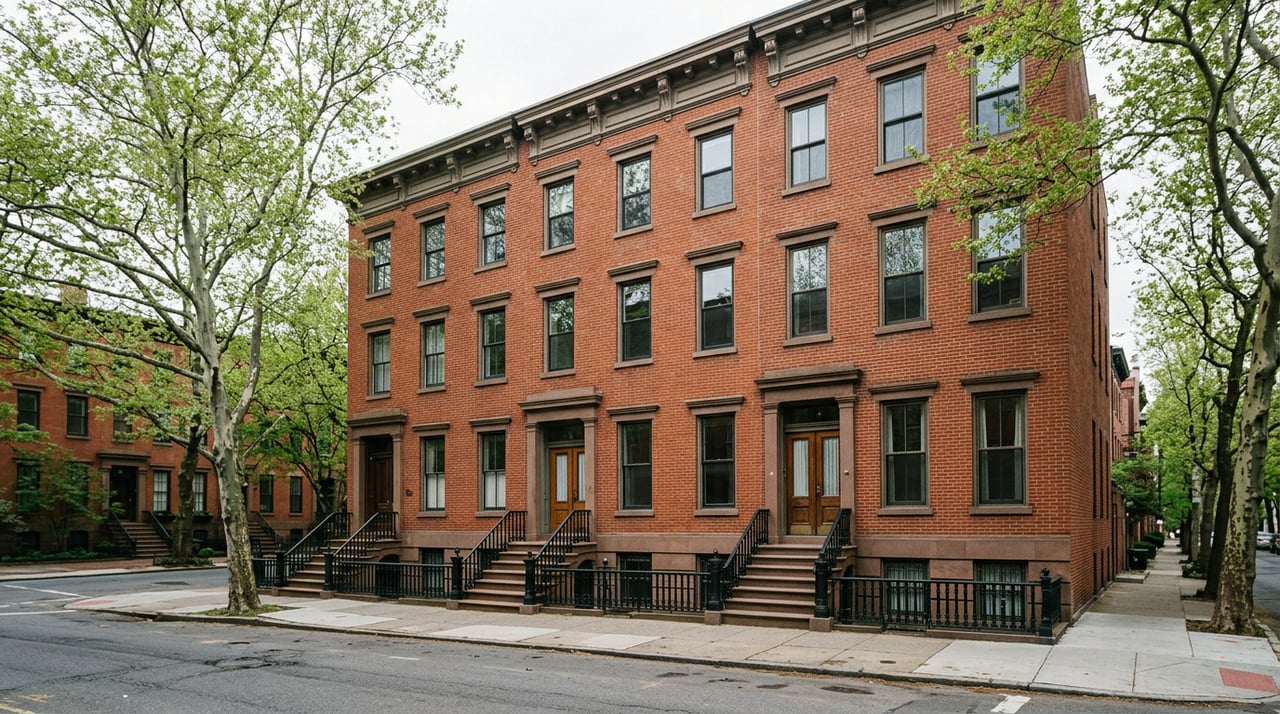
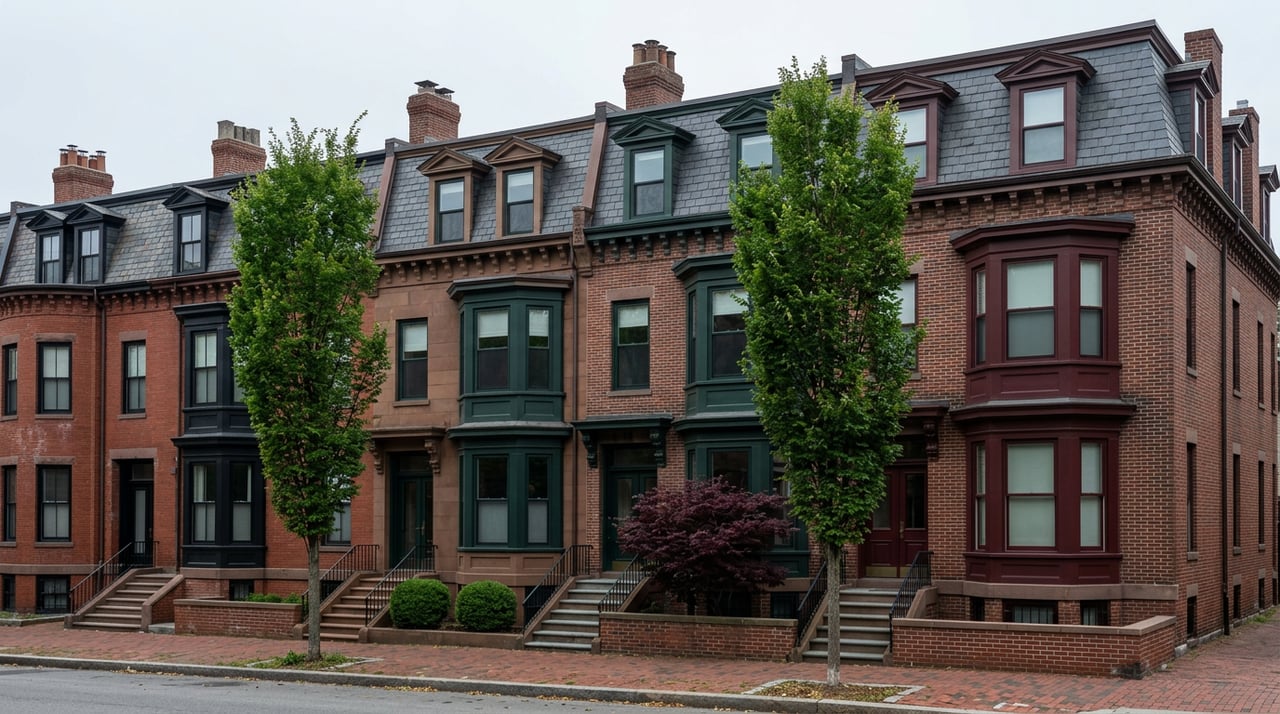
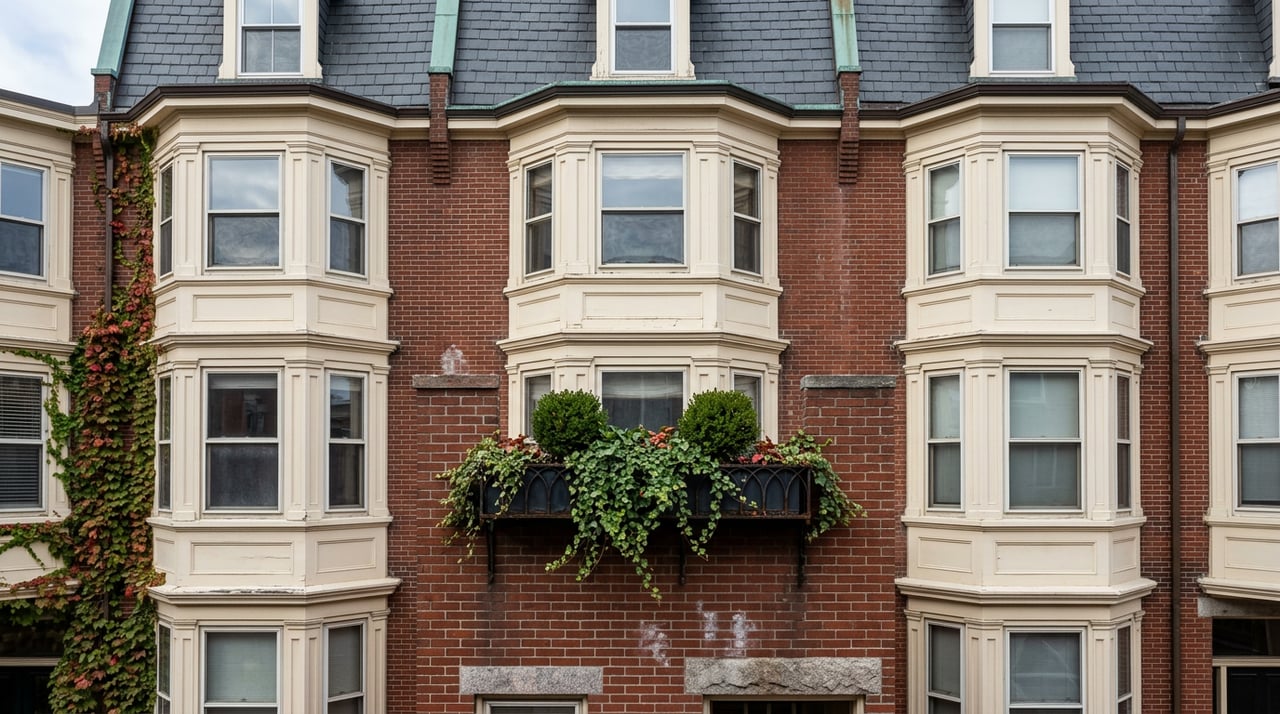
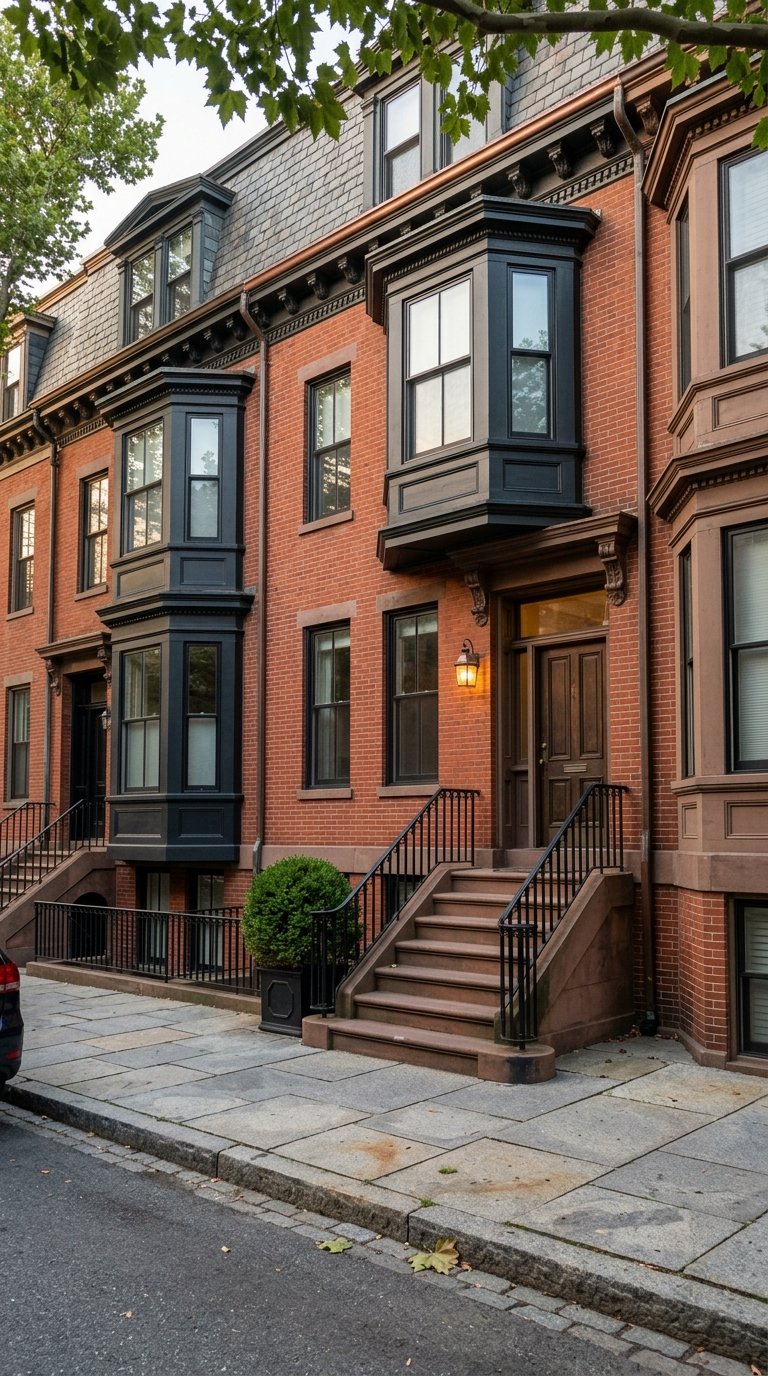
That planning still shows up in the streetscape today. Original deed restrictions on height, setback, and materials created a consistent look across the neighborhood, with continuous façades, regular cornice lines, and a repeated pattern of projection bays and oriel windows.
For you as a buyer or seller, that matters because Back Bay reads as a unified architectural setting rather than a patchwork of unrelated buildings. The visual rhythm of stoops, ironwork, masonry façades, and garden walls is part of what makes the neighborhood feel so established and enduring.
Why preservation matters in Back Bay
Back Bay’s architectural identity is also actively protected. The Boston Landmarks Commission says the district was established in 1966 and later expanded, with proposed exterior work subject to commission review before construction can begin.
In practical terms, ownership here comes with an added layer of stewardship. If you own a home in the Back Bay Architectural District and plan exterior changes, the Back Bay Architectural District Commission must review and approve that work first.
This process helps preserve the features people associate with the neighborhood most strongly. The guidelines emphasize masonry façades, original or matched windows, front entry porticos and stoops, historic garden walls, and dark-painted ironwork, while also limiting the public visibility of roof decks, penthouses, and rooftop additions.
Commonwealth Avenue Mall sets the tone
Few landmarks define Back Bay living more clearly than Commonwealth Avenue Mall. Boston Parks describes it as a 32-acre strip designed in the French boulevard style by Arthur Gilman in 1856, and the city calls it the spine of the neighborhood.
The Mall does more than provide green space. It creates one of Boston’s most recognizable residential settings, linking the Public Garden to Frederick Law Olmsted’s park system while framing a corridor lined with stately Victorian row houses and brick sidewalks.
If you picture classic Back Bay, you are likely picturing this corridor. For many buyers, Commonwealth Avenue represents the ideal balance of architecture, open space, and walkable city living.
Copley Square is Back Bay’s civic heart
Copley Square offers a different expression of the neighborhood. It brings together some of Back Bay’s best-known landmark buildings in one concentrated setting, making it a center of both architecture and daily activity.
The City of Boston says the square sits between the Boston Public Library and Trinity Church. In May 2026, the city completed a major renovation that improved accessibility, expanded tree canopy, and upgraded the fountain.
The square also plays an active role in city life. It is tied to events such as the Boston Marathon, First Night, and the Copley farmers market, giving residents a strong sense of connection to Boston’s civic calendar.
Trinity Church stands out instantly
Trinity Church is one of the clearest visual signatures in Back Bay. The church describes it as a National Historic Landmark designed by Henry Hobson Richardson and a celebrated example of Richardsonian Romanesque architecture.
Its massive proportions, rounded arches, and rough rock-faced stone give Copley Square a sense of weight and permanence. Even in a neighborhood known for architectural richness, Trinity Church remains a defining presence.
The Boston Public Library adds grandeur
Just across the square, the Boston Public Library’s McKim Building brings a different architectural language. The library identifies it as a National Historic Landmark and the first outstanding example of Renaissance Beaux-Arts Classicism in America.
Its identity comes from both exterior and interior features, including Bates Hall, major mural cycles, and a historic courtyard. For residents, this landmark adds another layer of daily value, placing a major civic institution right within the flow of neighborhood life.
Historic streets define the residential experience
Back Bay’s appeal is not limited to its major monuments. Some of the neighborhood’s most important landmarks are the streets themselves, especially Beacon Street, Marlborough Street, and Commonwealth Avenue.
Boston Planning describes these residential streets as being marked by stately Victorian row houses and brick sidewalks. Together, they create the visual continuity that many buyers seek when looking for a home with architectural character.
The details matter here. Brownstone façades, carved oriel windows, cornices, stoops, and iron railings all contribute to a setting that feels preserved, coherent, and distinctly Boston.
Newbury Street adds everyday energy
Architecture in Back Bay is not only about residential beauty. It is also about how the neighborhood supports daily life, and Newbury Street is central to that balance.
Boston Planning describes Newbury Street as a commercial spine known for international retailers, salons, boutique offices, and restaurants. The City of Boston adds that it is a mile-long, eight-block corridor that becomes car-free on designated Sundays in the summer and once in the winter for a Holiday Stroll.
For residents, this means Back Bay feels both residential and urban at once. You can enjoy historic streetscapes while also having shops, dining, and services woven directly into the neighborhood.
The Charles River edge expands the lifestyle
The Charles River side of Back Bay gives the neighborhood another defining dimension. Boston Planning notes that the Esplanade and Hatch Shell offer concerts and festivals, while the Paul Dudley White Bicycle Path creates a major recreational corridor.
The City of Boston’s 2025 update adds that the Esplanade is part of the Charles River Reservation, a 17-mile linear park system. The riverfront is not separate from Back Bay life. It is part of how residents experience open space, movement, and seasonal events.
The Esplanade is also evolving. Boston.gov says current work around the Smith Family Pavilion is intended to create a universally accessible year-round space with a welcome desk, bathrooms, café seating, classrooms, community space, and a roof deck overlooking the river.
Old and new share the skyline
Back Bay’s image is often tied to brownstones, churches, and formal avenues, but the skyline tells a broader story. The City of Boston’s neighborhood page notes that the Prudential Center and John Hancock Tower are also among the area’s famous buildings.
That mix of old and modern helps define the neighborhood’s visual identity. It gives Back Bay a layered character, where preserved 19th-century streets meet major modern landmarks without losing the district’s core architectural coherence.
What buyers should notice in Back Bay
If you are buying in Back Bay, the landmarks matter because they shape more than views. They influence the feel of each block, the consistency of the streetscape, and the relationship between your home and the public spaces around it.
This neighborhood is especially compelling if you value historic detail, continuity, and walkable access to parks, libraries, churches, transit, and retail. Boston also points to transit access through Arlington, Copley, and Hynes on the Green Line, along with Back Bay Station for Orange Line, commuter rail, and Amtrak connections.
For many buyers, that is the real value proposition. You are not choosing only a residence. You are choosing a preserved urban setting with strong architecture and daily convenience built into the surroundings.
What sellers should highlight
If you are preparing to sell, Back Bay’s defining landmarks can help frame your property’s story in a credible, location-specific way. The strongest features to emphasize are often the ones the district actively protects, such as original masonry, front stoops, carved oriel windows, cornices, ironwork, and garden elements.
It also helps to place a home within its larger setting. A property’s relationship to Commonwealth Avenue Mall, Copley Square, Newbury Street, or the Charles River edge can be part of what makes it resonate with qualified buyers.
In a market like Back Bay, value is often tied to both the residence itself and the preserved environment around it. That calls for thoughtful positioning, careful presentation, and a clear understanding of what buyers are actually responding to when they choose this neighborhood.
If you are considering a purchase or sale in Back Bay, working with a local specialist can help you evaluate how architecture, block-by-block context, and preservation rules affect both lifestyle and long-term value. For discreet guidance and access to exclusive opportunities, connect with David Mackie.
FAQs
What makes Back Bay architecture different from other Boston neighborhoods?
- Back Bay stands out for its planned streetscape, including continuous façades, regular cornice lines, bays, oriel windows, stoops, ironwork, and masonry details that create a highly unified look.
What is the Commonwealth Avenue Mall in Back Bay?
- Commonwealth Avenue Mall is a 32-acre green strip designed in the French boulevard style that serves as a defining open-space spine for the neighborhood.
What landmarks anchor Copley Square in Back Bay?
- Copley Square is anchored by Trinity Church and the Boston Public Library, two National Historic Landmarks that help define the neighborhood’s civic and architectural identity.
What should Back Bay buyers know about historic preservation rules?
- Buyers should know that exterior changes in the Back Bay Architectural District must be reviewed and approved before work begins, which helps preserve the neighborhood’s character.
How does the Charles River Esplanade affect Back Bay living?
- The Esplanade adds recreation, event space, and riverfront access to daily life in Back Bay, with trails, concerts, festivals, and ongoing improvements to public amenities.
Why do Back Bay landmarks matter when selling a home?
- They matter because buyers often respond to the broader setting as much as the residence itself, especially when a home reflects protected architectural details and sits near major neighborhood landmarks.