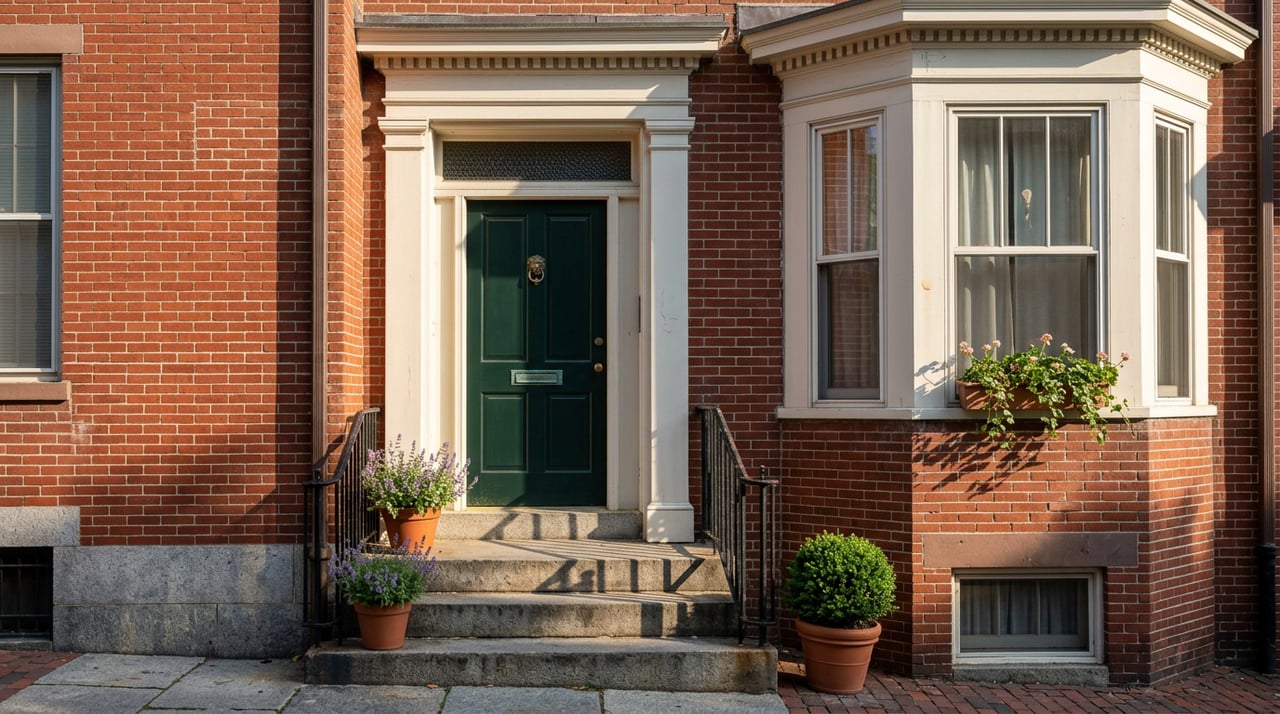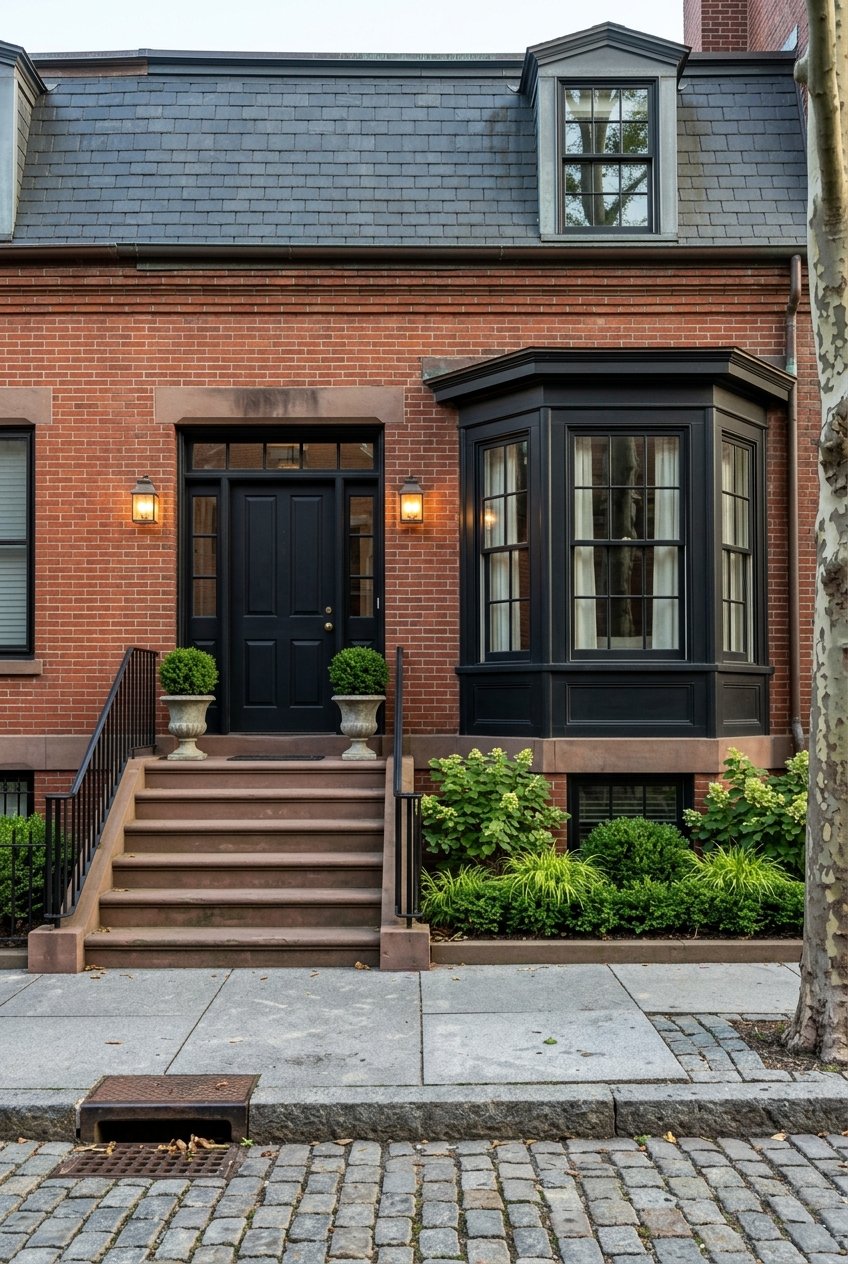
Selling a Beacon Hill brownstone rarely follows a simple checklist. In this part of Boston, your timeline can be shaped by historic-district review, required disclosures for older homes, and the practical reality that strong presentation takes time. If you want a smoother sale and a more polished launch, it helps to plan well before your target listing date. Let’s dive in.
Why Beacon Hill timing is different
Beacon Hill has a layer of timing that many other Boston neighborhoods do not. Because it is a historic district, certain exterior changes may need review by the Beacon Hill Architectural Commission before work begins.
That matters for sellers because pre-listing improvements often include exactly the kinds of visible exterior items that can affect the calendar. Windows, doors, masonry, exterior paint, roof changes, and ironwork may all require closer review if they are visible from a public way.
Boston states that the commission reviews exterior changes on a monthly schedule. Complete applications must be submitted 15 business days before the hearing, and owners are advised to review district standards early and wait for approval before starting work or buying materials.
If work is approved, the decision letter is then used to obtain the building permit. Boston also requires the approval placard to be posted during construction, and unapproved work can lead to fines of up to $1,000 per day.
Start earlier than you think
For many Beacon Hill sellers, the most useful shift is simple: count backward from your ideal list date and give yourself more room than you expect to need. A brownstone sale often goes more smoothly when planning begins 8 to 12 weeks before launch, and sometimes earlier.
This early phase is not just about repairs. It is when you decide what is worth improving, identify any exterior items that could trigger review, gather supporting photos or drawings, and confirm whether a smaller item may qualify for administrative review rather than a full hearing.
That distinction can matter. Some low-impact maintenance may qualify for administrative review, which can shorten the path, and a Certificate of Appropriateness is valid for two years.
A practical Beacon Hill sale timeline
8 to 12+ weeks before listing
Begin with a detailed walk-through of the property and a clear discussion of priorities. Focus on what will improve presentation, what may affect buyer confidence, and what should be addressed before photography and showings.
For Beacon Hill brownstones, this is also the time to flag any exterior work that may fall under district guidelines. Boston notes that incomplete applications cannot be added to a hearing agenda, so early preparation is important if you are considering any visible changes.
If your home was built before 1978, add lead-paint notification planning to this early stage as well. Massachusetts requires lead-paint notification before the buyer signs the purchase and sale agreement, so it should not be treated as last-minute paperwork.
Massachusetts also notes that hiring your own attorney may be in your best interest. For an older, high-value home, attorney review is best built into the timeline well before an offer is accepted.
4 to 8 weeks before listing
This is usually the main preparation window. Once any needed approvals are in hand, you can move through light repairs, paint touch-ups, cleaning, and staging with more confidence.
In Beacon Hill, details that may seem minor elsewhere can carry more weight because of the district’s emphasis on historic character and original materials. Window work, door refinishing, masonry cleaning, and paint changes should be considered carefully if they affect the exterior appearance.
Photography should wait until the home is fully ready. That is especially true when the facade, entry sequence, or architectural details are part of what makes the property compelling.
Launch week and first two weeks
A Beacon Hill brownstone should ideally come to market when it is truly complete. Listing while visible work is still underway can undercut presentation and make the sale feel less orderly than it should.
This matters even more in an active market. Greater Boston reporting in spring 2025 described the spring market as ramping up and traditionally hot, which supports a spring launch when you have enough lead time to complete approvals and presentation work.
The broader takeaway is straightforward: a polished debut tends to matter more than rushing to market. In a neighborhood where architectural character is central to value, finish first and launch second.
Accepted offer to closing
After you accept an offer, the process still needs time. Massachusetts closing steps usually include the purchase and sale agreement, home inspection, financing and appraisal, title search, and settlement.
Massachusetts also notes that this process should be understood as several weeks rather than a few days. For sellers, that means your move planning, attorney coordination, and document gathering should begin early rather than waiting until the final stretch.
Why spring often works best
For Beacon Hill sellers, spring is often the most natural target window. Buyer activity in Greater Boston tends to build in spring, which can align well with a thoughtfully prepared brownstone launch.
The key is what happens before spring. If you want to list during that busier period, winter is often the time to start planning, especially if there is any chance your prep list includes exterior work, lead-paint paperwork, contractor coordination, or final presentation updates.
Missing that setup window does not always mean you should force the timing. In many cases, it is better to delay than to list before approvals or repairs are complete, particularly in a district where the review process is monthly.
Common timeline mistakes to avoid
Waiting too long to check exterior work
A seller may assume a repair is routine, only to learn that visible exterior changes need review. In Beacon Hill, it is wise to confirm early rather than guess.
Treating paperwork as a final-week task
Lead-paint notification for pre-1978 homes can be easy to overlook until a deal is underway. Building that paperwork into your planning period can help avoid unnecessary stress later.
Scheduling photography too soon
If exterior work, entry details, or interior prep are still incomplete, photos may not reflect the home at its best. For a high-value brownstone, the launch package should feel finished and intentional.
Rushing to catch a market window
A strong market can create urgency, but Beacon Hill sellers often benefit more from readiness than speed. If approvals, repairs, or staging are not complete, waiting may protect both presentation and momentum.
A simple planning framework
If you are aiming for a low-stress sale, this framework can help:
- 8 to 12+ weeks out: walk-through, repair decisions, exterior review questions, lead-paint planning, attorney coordination
- 4 to 8 weeks out: complete approved work, finish cosmetic prep, clean, stage, and prepare for photography
- Launch week: go live only when the home is fully ready
- Under agreement to closing: plan for several weeks for contract, inspection, appraisal, title, and settlement steps
For many Beacon Hill brownstones, this kind of measured approach creates a better selling experience. It also gives you more control over decisions that affect presentation, timing, and closing readiness.
A well-timed sale in Beacon Hill is rarely accidental. It is usually the result of early planning, careful coordination, and respect for the details that make these homes distinctive. If you are thinking about selling, a tailored timeline can help you protect both the process and the presentation from the start.
If you are preparing to sell a Beacon Hill brownstone and want a discreet, well-managed plan from the earliest steps through launch, connect with David Mackie for tailored guidance.
FAQs
When should you start planning a Beacon Hill brownstone sale?
- For many sellers, the best time to start is 8 to 12 weeks before listing, and sometimes earlier if exterior work, lead-paint paperwork, or attorney review will be part of the process.
Do all exterior updates on a Beacon Hill brownstone need review?
- No. The review process is aimed at exterior work visible from a public way, and some low-impact maintenance may qualify for administrative review, but visible changes should be confirmed early.
What paperwork is easy to forget when selling an older Beacon Hill home?
- Common items include lead-paint notification for pre-1978 homes, the Beacon Hill Architectural Commission decision letter, the approval placard for approved work, and documents needed for the buyer’s attorney or lender.
Is spring a good time to list a Beacon Hill brownstone?
- Spring is often a favorable launch window because buyer activity in Greater Boston tends to build then, but the prep work often needs to begin in winter to stay on schedule.
How long does closing usually take after accepting an offer in Massachusetts?
- The closing process is typically best planned as several weeks, since it usually includes the purchase and sale agreement, inspection, financing and appraisal, title work, and settlement.