If you are selling a Back Bay penthouse, you are not simply bringing another luxury condo to market. You are positioning a scarce asset in one of Boston’s most tightly defined historic settings, and the right buyer may be across the country or across the world. When the audience is global and the property is highly specific, every decision around pricing, presentation, and timing matters. Let’s dive in.
Back Bay draws global attention
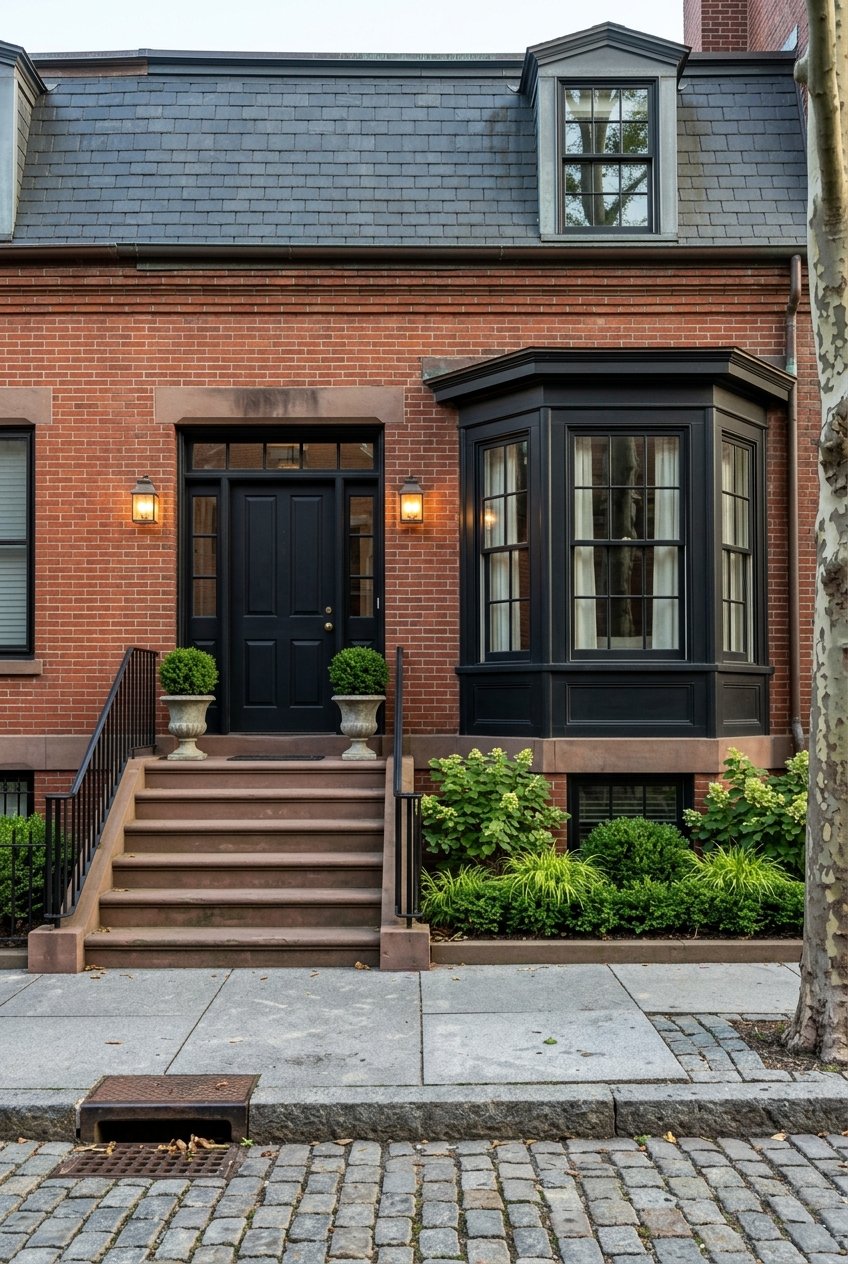
Back Bay has credibility with luxury buyers because it offers more than a prime Boston address. It also offers architectural continuity and scarcity. The Back Bay Architectural District, established in 1966 and expanded several times after that, helps preserve the neighborhood’s defining facades, cornice lines, projection bays, and oriel windows.
That matters when you position a penthouse. In many markets, luxury value can hinge on future change or redevelopment potential. In Back Bay, value often comes from the enduring character of the building itself and the streetscape around it.
Historic rules shape seller strategy
If you plan to prepare a penthouse for sale, the preservation process should be part of your timeline from the start. In Back Bay, proposed exterior work is subject to review by the Back Bay Architectural Commission before work begins. The commission holds a public hearing on the second Wednesday of each month, and applications must be submitted at least two weeks in advance.
For a seller, that means exterior improvements, facade repairs, and rooftop or terrace-related work should be staged early. Incomplete applications are not heard, and outstanding architectural violations can block approval of a Certificate of Appropriateness. In a multiple-ownership building, changes are also reviewed uniformly for the entire building.
Penthouse pricing needs trophy comps
One of the biggest mistakes at the top of the market is relying on neighborhood median pricing. Back Bay’s broader condo market provides useful context, but it does not define the value of a true penthouse. The Massachusetts Association of Realtors reported a year-to-date median condominium sales price of $1.45 million in Back Bay in October 2025, while a separate Q1 2026 MLS snapshot showed a $1.52 million median sales price across homes and condos, with 114 active listings and 96 average days on market.
Those numbers show market depth, but they do not tell the full story of the trophy tier. Back Bay has also seen marquee sales and listings in the eight-figure range, including a $21 million townhouse sale, a $15 million penthouse on Commonwealth Avenue, and a $10.8 million townhouse on Marlborough Street. If you own a penthouse with true rarity, it should be benchmarked against direct luxury comparables, not the neighborhood average.
Why global buyers fit this asset
A Back Bay penthouse aligns well with how many international buyers shop and transact. The 2025 Profile of International Transactions in U.S. Residential Real Estate found that foreign buyers purchased 78,100 existing homes totaling $56.0 billion from April 2024 through March 2025. The average purchase price was $719,000, 47% of transactions were all-cash, and 18% involved properties priced above $1 million.
More important than the headline volume is the behavior behind it. Buyers who live abroad are more likely to purchase homes for vacation use, rental use, or both, and a larger share of these purchases are condominiums in central cities and urban areas. That profile fits a well-located Back Bay penthouse far more closely than a broad suburban luxury listing.
Remote buyers want certainty
Global buyers often make decisions differently than local buyers. NAR reported that 47% of foreign buyers purchased for vacation home, rental, or both, and that figure rose to 60% among nonresident foreign buyers. Combined with the higher all-cash share, that points to a buyer pool that often values clarity, speed, and confidence.
In practical terms, you should expect many serious prospects to evaluate the property from a distance before ever touring in person. They may not need repeated local guidance, but they do need complete, accurate, and well-organized information. For a seller, that means your listing package has to do far more than create a strong first impression.
Present what exists today
In Back Bay, authenticity is a stronger selling point than speculation. The district guidelines emphasize maintaining and repairing historic materials and features rather than replacing them. They also note that alterations to primary facades are generally inappropriate except for restoration, and even work not visible from the street can still fall under commission review.
Because of that, the most persuasive marketing approach is grounded in what the property already offers. A global buyer is better served by a factual presentation of condition, views, outdoor space, layout, and building details than by aspirational language about unapproved changes. Accurate representation builds trust, and trust shortens decision-making.
Build a complete visual story
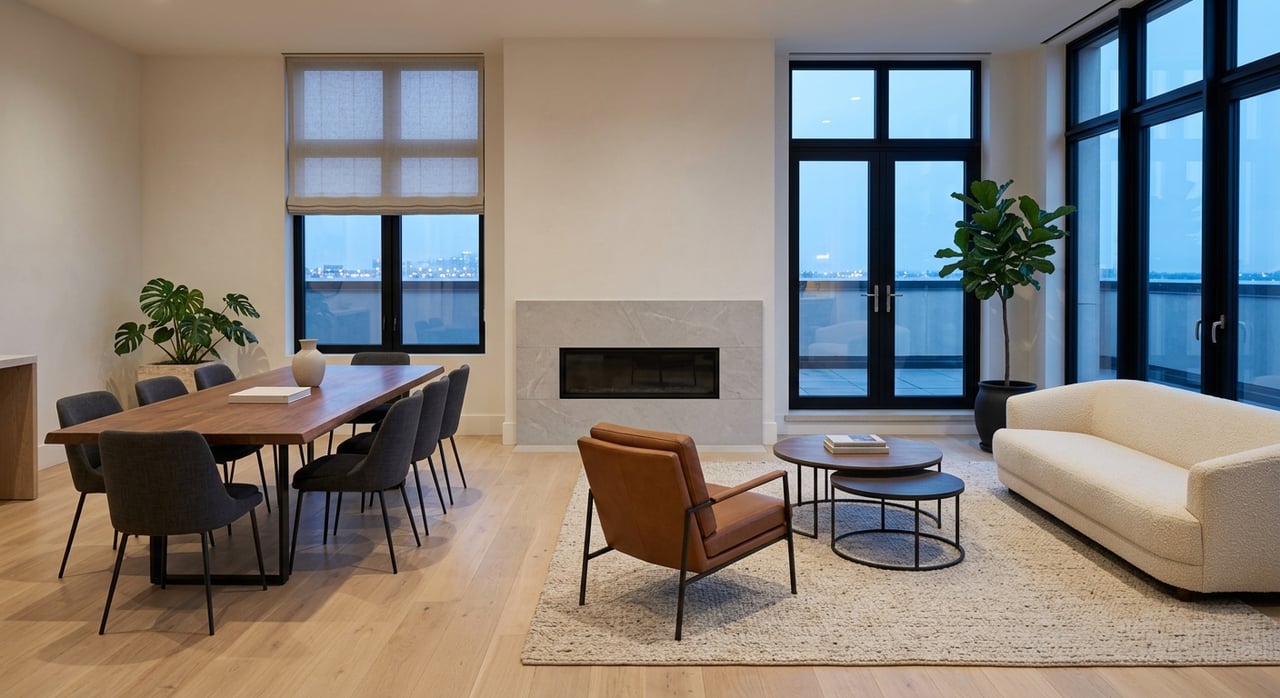
For a trophy property, the visual package should feel like a full product dossier. Recent luxury coverage in Boston repeatedly highlighted the features top buyers are responding to in Back Bay, including roof decks, large terraces, skyline or Public Garden views, elevators, multiple parking spaces, and turnkey interiors. These are not secondary details. They are often the reason a buyer engages.
Your photography and media should show the property clearly and in sequence. That typically means daylight exterior images, twilight views when relevant, strong interior flow from room to room, close attention to kitchen and bath finishes, and direct coverage of terraces, roof decks, and view corridors.
For remote and international buyers, supporting materials matter just as much. Measured floor plans, room dimensions, fee sheets, parking and storage counts, building rules, and a concise list of what is included can remove friction early. When a buyer is comparing urban assets from afar, precision is part of the marketing.
Distribution should be broad but selective
A Back Bay penthouse deserves international reach, but broad exposure alone is not enough. The right buyer may come from another global city, a second-home market, or an executive relocation path rather than a local search. NAR’s origin-country data points to a diverse foreign buyer pool, including buyers from China, Canada, Mexico, India, and the U.K.
That is why distribution should be both global and highly targeted. Coldwell Banker Global Luxury reports a network of more than 93,000 independent sales associates in over 2,600 offices worldwide. For a seller, that kind of platform becomes most effective when paired with direct outreach to luxury agents in feeder markets, discreet preview opportunities, and relationship-driven marketing rather than mass exposure alone.
Boston luxury reporting supports this approach. In niche high-end sales, brokers have described reaching buyers through agent relationships in places like Los Angeles, Aspen, Manhattan, and Palm Beach, along with other specialized luxury contacts. The lesson is simple: the buyer for a rare Back Bay penthouse is often found through curated networks, not just through public listing traffic.
Timing can protect value
At the top of the market, timing is part of pricing. A penthouse that enters the market before repairs, approvals, or presentation details are fully resolved can lose momentum quickly. On the other hand, waiting too long without a clear strategy can also cost you exposure when qualified buyers are active.
The goal is to bring the property to market with the essentials already aligned. That includes pricing built from true trophy comparables, a presentation package designed for remote review, and any necessary exterior or rooftop-related planning addressed well before launch. In a niche segment, preparation is often what protects negotiating leverage.
Closing details need early coordination
When either side of the transaction involves a foreign person, tax coordination should be addressed early in the process. The IRS states that buyers or transferees generally must withhold 15% of the amount realized when purchasing U.S. real property interests from foreign persons, and in most cases the buyer is the withholding agent.
For a seller, this is not a marketing headline, but it is a practical planning issue. The key is to coordinate early with title, escrow, and tax counsel so that the transaction proceeds smoothly and without avoidable surprises.
Why local stewardship still matters most
Global marketing is powerful, but it works best when it starts with local authority. In Back Bay, the details that influence a top-tier sale are often highly specific to the building, the block, the views, the commission environment, and the property’s position within the neighborhood’s luxury hierarchy. That is where experienced, hands-on representation can make a measurable difference.
A penthouse sale at this level is rarely about generic luxury branding. It is about precise pricing, disciplined presentation, discreet outreach, and careful stewardship from preparation through closing. If you are positioning a Back Bay penthouse for global buyers, the strongest strategy is one that pairs institutional reach with personal market knowledge.
If you are considering the sale of a penthouse or other trophy residence in Back Bay, working with a specialist who understands both the neighborhood and the global luxury audience can help you present the asset at its full value. To start a private conversation or receive exclusive off-market listings, connect with David Mackie.
FAQs
How should a Back Bay penthouse be priced?
- A Back Bay penthouse should be priced using direct luxury and trophy comparables, not neighborhood median condo pricing, because the top tier operates in a separate value band.
Why are global buyers relevant for Back Bay penthouses?
- Global buyers are relevant because international purchasers often favor urban condominiums, many buy with cash, and a meaningful share purchase for vacation or rental use.
What listing materials matter most for remote penthouse buyers?
- The most important materials include strong photography, clear floor plans, room dimensions, fee sheets, parking and storage details, building rules, and accurate notes on included features.
Do historic district rules affect Back Bay penthouse marketing?
- Yes, historic district rules affect both preparation and marketing because exterior and rooftop-related work may require review, so sellers should present existing approved features clearly and plan any work early.
Why is selective distribution important for a luxury Back Bay sale?
- Selective distribution matters because the likely buyer may come through curated luxury networks, feeder-market agent relationships, and private outreach rather than general public exposure alone.