If you have ever wondered why one Beacon Hill brownstone commands a remarkable premium over another that seems similar on paper, you are asking the right question. In this neighborhood, value is rarely driven by square footage alone. The real story is a mix of scarcity, historic constraints, and a handful of physical traits that are hard to replicate. Let’s dive in.
Why Beacon Hill values work differently
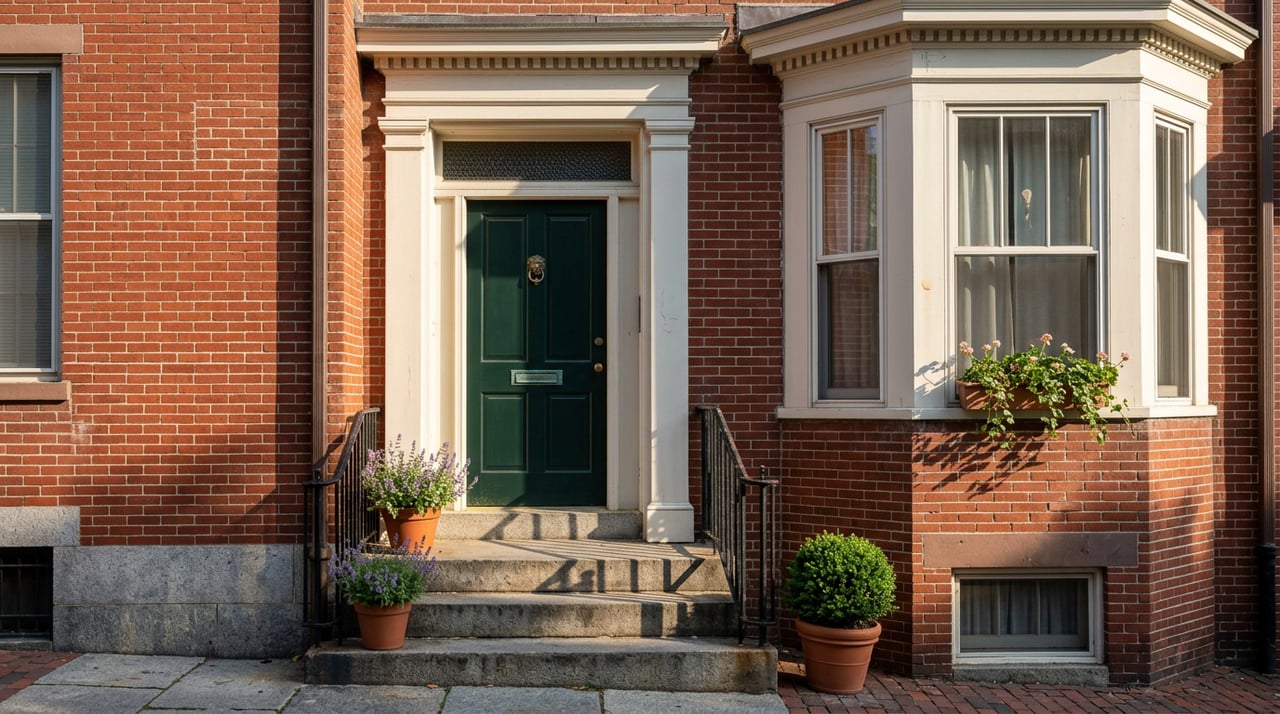
Beacon Hill does not behave like a typical Boston neighborhood. It is roughly one square mile, shaped by a protected historic district, and defined by narrow streets, brick row houses, brick sidewalks, decorative ironwork, and gas lamps. That setting creates a market where the existing building envelope often matters more than broad neighborhood averages.
The Beacon Hill Architectural Commission reviews proposed changes to exterior architectural features before work begins and before a building permit is issued. Exterior work visible from a public way is subject to review, including views from Boston Common, the Public Garden, Storrow Drive, the Charles River Esplanade, and the Longfellow Bridge. For buyers and sellers, that means seemingly small differences between homes can have an outsized effect on value.
This is why neighborhood-wide median data should be used carefully. Redfin’s March 2026 Beacon Hill snapshot reported a median sale price per square foot of $1.33K, but that figure reflects all home types, not just brownstones. In Beacon Hill, a brownstone’s block, exposure, width, and approved condition often matter more than a blended neighborhood median.
Block and slope matter first
In Beacon Hill, location means more than just the neighborhood name. The historic slope pattern still influences how buyers and sellers think about value today. The southern slope overlooking Boston Common was developed for elite homes, while the north and western slopes historically housed working- and middle-class residents, including many free African Americans.
That history continues to shape pricing. Two brownstones with similar square footage can trade at different levels if one sits on a more prominent block, has stronger views, or benefits from a more prestigious exposure. In practice, immediate-block comparisons are often more useful than broader neighborhood averages.
For serious buyers, this is where a careful comp review starts. For sellers, it is also where pricing discipline begins. In Beacon Hill, micro-location is not a minor detail. It is often the foundation of value.
Width can drive a premium
Width is one of the clearest structural value drivers in a Beacon Hill brownstone. In a neighborhood built around rowhouse form and narrow streets, a wider façade can improve the floor plate, room proportions, and natural light. That usually translates into a more comfortable and flexible home.
What makes width especially important is that it is difficult to create after the fact. The district’s rules prohibit new facade openings and require many exterior elements to retain original dimensions and materials. In other words, width is not a feature you can easily add later.
That scarcity can lead to meaningful price differences. A slightly wider home may outperform a larger but less efficient property because the daily livability feels better. In Beacon Hill, usable proportions often matter as much as raw size.
Outdoor space is valuable, but not all outdoor space is equal
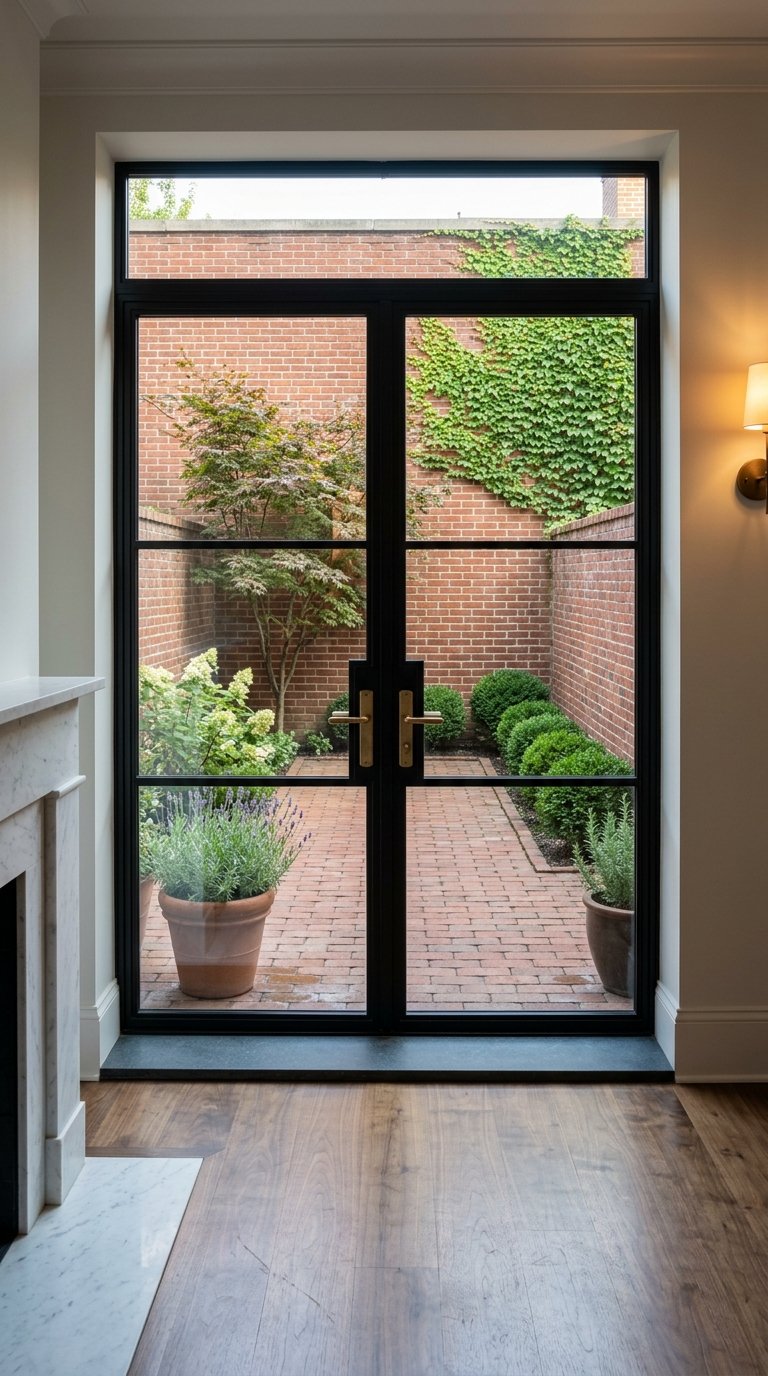
Private outdoor space tends to carry real value in Beacon Hill, especially when it is both usable and difficult to replicate. Rear gardens, patios, and hidden terraces are often more desirable than features that create visibility issues. In a dense historic neighborhood, private exterior space can meaningfully improve how a home lives.
The distinction matters because the rules are specific. Roof decks and deck enclosures visible from a public way are considered inappropriate, and new roof access structures must be low-profile and not visible from a public way. That means some outdoor features are much easier to preserve than to create.
For buyers, the question is not simply whether outdoor space exists. The better question is whether it is private, practical, and consistent with the district’s review framework. For sellers, clear documentation around that point can strengthen the property story.
Parking can materially change value
Parking is one of the most straightforward premium drivers in Beacon Hill. The neighborhood is dense, and the City of Boston notes that many historic districts have little space for vehicle parking, garages, or carports. Most available parking in neighborhoods like Beacon Hill is street parking on public and private streets.
Boston’s resident parking program gives residents preferential access to on-street spaces, and the vast majority of those spaces are reserved for residents. Even so, deeded off-street parking, a garage space, or a highly convenient parking arrangement can materially affect value. This is especially true for full-time residents and buyers who travel frequently.
In practical terms, parking should be treated as a core comp adjustment, not a side note. A home with parking may command stronger interest and better pricing than a similar home without it. In a scarcity-driven market, convenience is part of the asset.
Condition means more in a historic district
Condition in Beacon Hill is not just about fresh finishes. It also includes how well a property has preserved or restored historically significant materials and whether prior work aligns with district guidelines. A home that looks beautiful but carries unresolved exterior issues may not compete the same way as one with careful stewardship already in place.
The guidelines call for original or historically significant materials to be maintained and repaired whenever possible. Replacement materials must match composition, design, color, texture, and other visible qualities. Brownstone may require special treatment, vinyl-clad sash is not permitted, masonry cleaning is discouraged, and repointing requires care.
That creates a clear value gap between well-maintained homes and properties with deferred corrective work. Buyers often pay more for a brownstone that already combines historic integrity with durable systems and lower ownership friction. Sellers who have completed thoughtful restoration work should document it carefully.
Views, light, and exposure add scarcity
Views and natural light matter in most urban markets, but they are particularly meaningful in Beacon Hill because they are hard to duplicate. The district’s rules specifically account for public-facing visibility from important surrounding areas, which reinforces the value of homes with distinctive sightlines and better exposure.
Upper floors, corner exposures, and homes with open park or river outlooks tend to stand apart from more typical interior-row houses. That does not mean every view commands the same premium. It does mean that light and outlook should be considered central to valuation, especially when paired with a strong block or wider façade.
For buyers, this is where in-person evaluation matters. For sellers, it is often where a property’s best attributes deserve special attention in pricing and presentation. In Beacon Hill, light is not just aesthetic. It is a scarce asset.
Why similar homes sell differently
The highest Beacon Hill prices usually come from combinations of strengths rather than one standout feature. A slightly wider house with strong light, legally usable private outdoor space, off-street parking, and an updated interior can outperform a larger home with awkward layout or deferred maintenance. The market tends to reward balanced quality.
This is also why broad price-per-square-foot thinking can mislead buyers and sellers. A neighborhood figure may be useful context, but it cannot capture the pricing effect of block identity, slope, width, visibility, or approved improvements. In Beacon Hill, the details are not minor. They are often the market.
When evaluating a brownstone, you are really weighing scarcity, preservation, and livability at the same time. The most valuable properties usually combine all three.
How to read comps in Beacon Hill
If you are buying, it helps to review brownstones in a clear order. Start with block and slope, then move to width and floor plate, parking, usable outdoor space, condition, and finally the view package. That sequence keeps the analysis focused on the attributes most likely to drive value.
If you are selling, the goal is clear documentation and precise positioning. Buyers tend to respond well when parking status, approved exterior work, masonry or window restoration, roof condition, and the legal character of outdoor space are all easy to understand. In a regulated historic district, certainty can support pricing.
This is where local judgment matters most. In Beacon Hill, the best valuation work is rarely about applying a simple formula. It is about understanding how a specific house fits its block, its history, and the limits of what can be changed.
For buyers and sellers navigating Beacon Hill’s brownstone market, that level of analysis can make a meaningful difference. If you want a discreet, highly tailored view of value, inventory, or positioning in this micro-market, connect with David Mackie.
FAQs
What most affects Beacon Hill brownstone values?
- The biggest drivers are usually block and slope, width, usable outdoor space, parking, condition, and views or natural light.
Why does width matter in a Beacon Hill brownstone?
- Width can improve layout, room proportions, and natural light, and it is difficult to create later because exterior changes are tightly regulated.
Does parking add value in Beacon Hill?
- Yes. Because parking is scarce in Beacon Hill, a deeded off-street space, garage, or highly convenient arrangement can materially affect value.
How does the historic district affect Beacon Hill pricing?
- Exterior work visible from a public way is subject to review, which makes approved condition, preserved materials, and hard-to-replicate features more valuable.
Are neighborhood median prices useful for Beacon Hill brownstones?
- They are helpful as broad context, but brownstone pricing usually depends more on immediate-block comparables and the property’s specific physical traits.
What should Beacon Hill sellers document before listing?
- Sellers should clearly document parking status, approved exterior work, masonry or window restoration, roof condition, and whether outdoor space is legally private and practical to use.