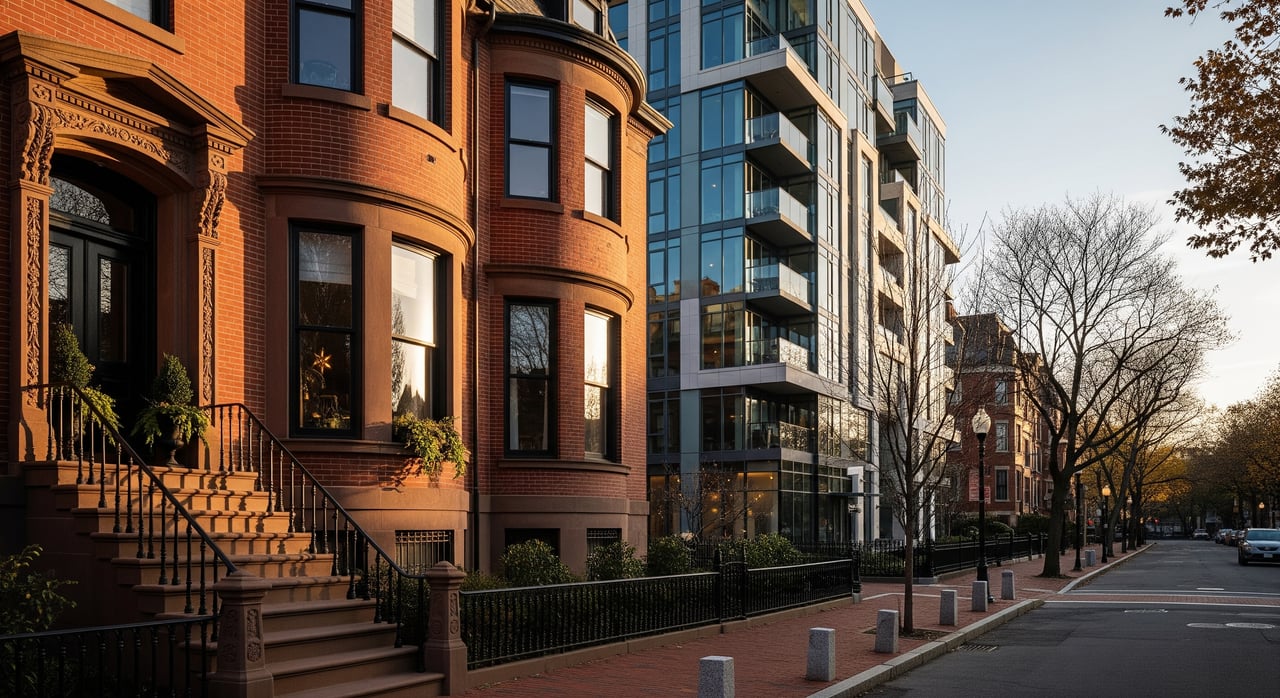
Is your ideal Back Bay home a stately brownstone with a private stoop, or a full‑service condo where the elevator opens to single‑level ease? If you are weighing control, convenience, and long‑term lifestyle, the choice can feel complex. You want a residence that fits your routines today and adapts to what is next. In this guide, you will learn how brownstones and luxury condos compare on architecture, upkeep, services, privacy, and daily living so you can move forward with clarity. Let’s dive in.
Back Bay at a glance
Back Bay is one of Boston’s most distinctive and sought‑after neighborhoods. It is known for tree‑lined streets, period architecture, and walkable blocks near dining, culture, and major business districts. Supply is limited for both historic homes and high‑end condos, which supports sustained demand and a scarcity premium.
Transit access is strong. Back Bay Station and nearby Green Line stops connect you to the Seaport, Financial District, and Longwood Medical area. If you travel often or want a lock‑and‑leave second home, Back Bay’s centrality and services are advantages for either property type.
Brownstone vs. condo: how they live
Architecture and layout
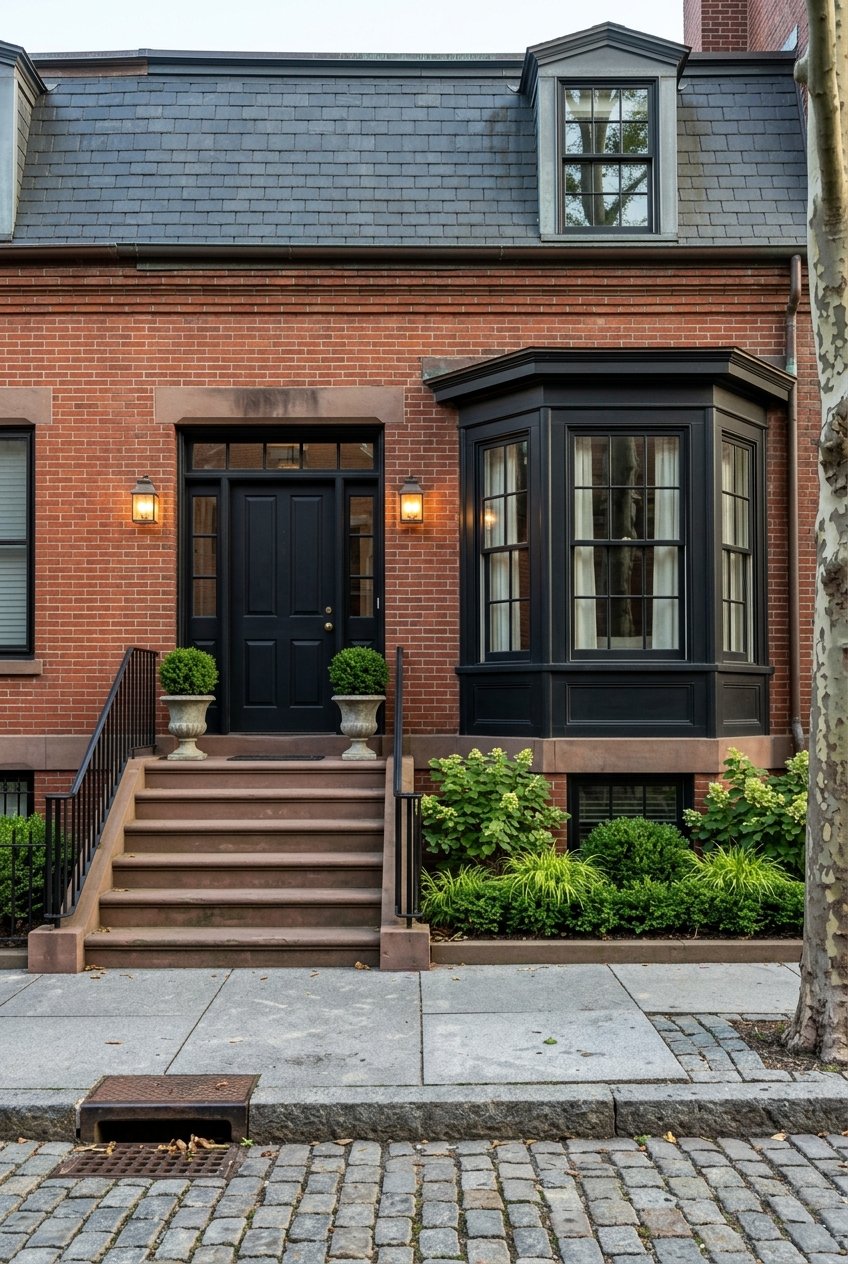
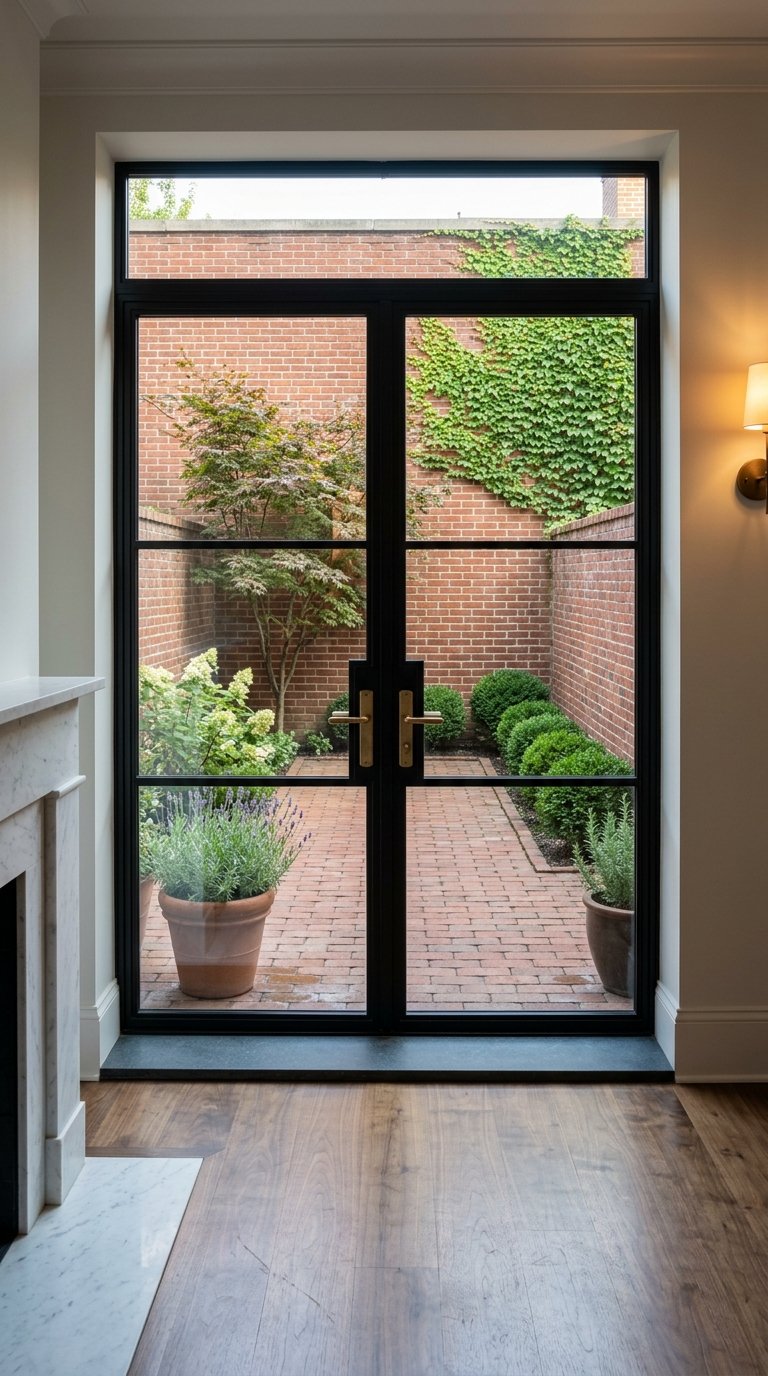
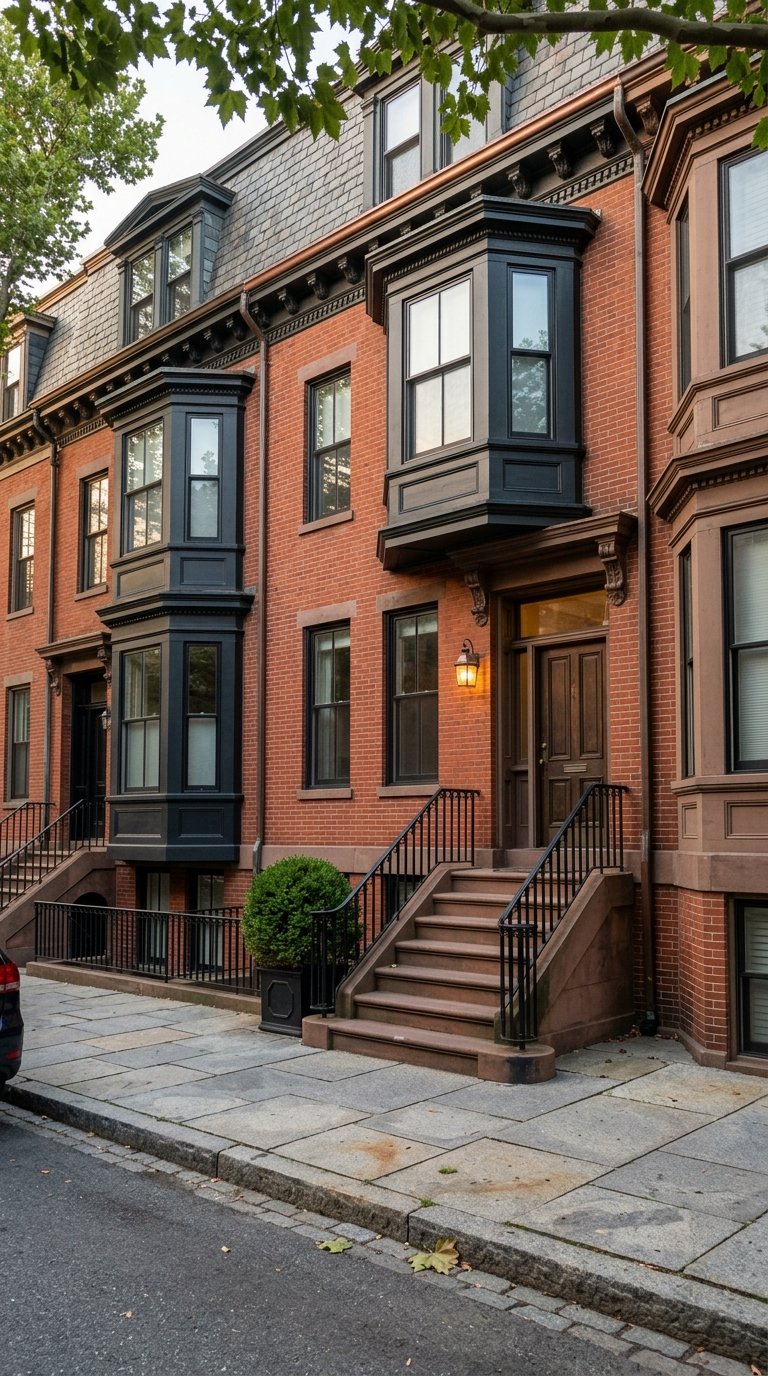
- Brownstone: You get period details and vertical living. Think high ceilings, ornate moldings, bay windows, fireplaces, and floorplans that span multiple levels from garden to parlor to upper bedrooms. Some homes feature private outdoor areas like a small garden, terrace, or roof deck.
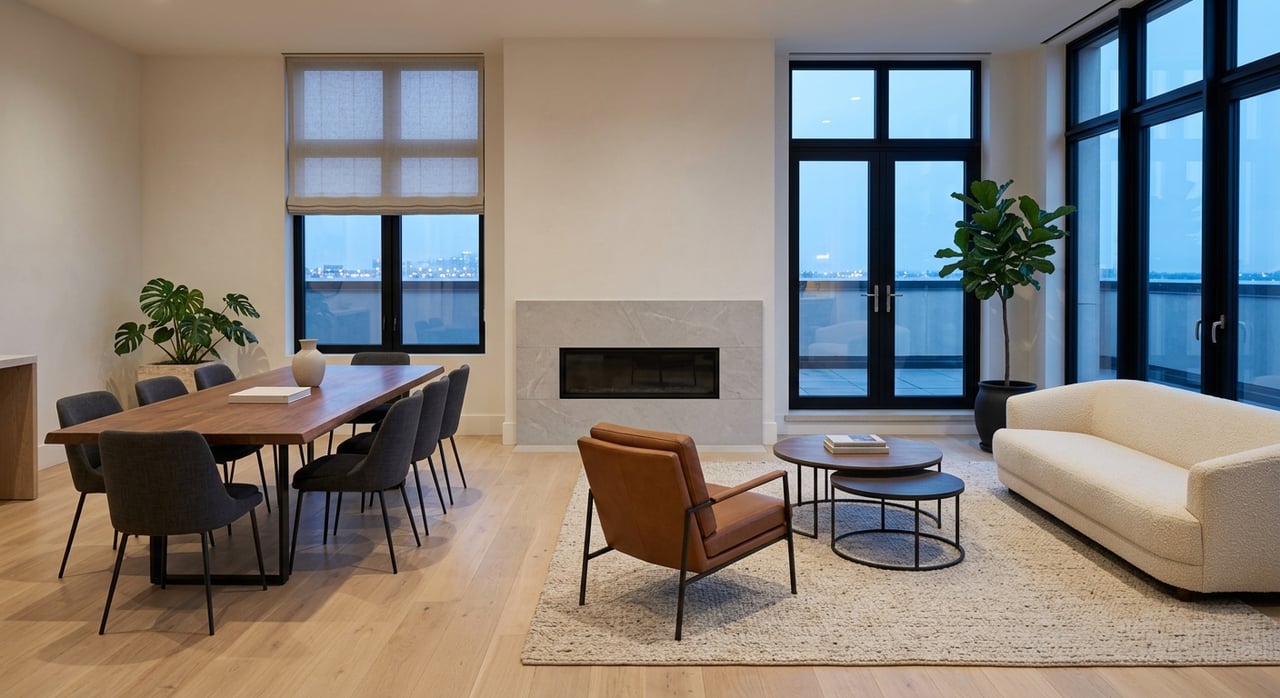
- Luxury condo: You get modern systems and open layouts on one level. Expect elevator access, large windows, contemporary kitchens, and consistent mechanicals and insulation across units. Many buildings offer expansive views through floor‑to‑ceiling glass.
If you love character, private entries, and the feel of a townhouse, a brownstone will appeal. If you value single‑level convenience, light, and views, a luxury condo tends to fit better.
Accessibility and daily movement
Brownstones were not designed for step‑free access. Retrofitting for an elevator can be possible but often requires careful planning and approvals. Luxury condo buildings are built around elevators and ADA‑friendly entries, which support aging‑in‑place and easy daily movement with luggage or strollers.
Ownership and responsibilities
Legal structure
- Brownstone: Often fee simple ownership. You control the building and systems and you are responsible for exterior and interior upkeep unless it is a condo‑converted townhouse with shared elements.
- Luxury condo: You own your unit and share responsibility for common areas under Massachusetts Chapter 183A. A professional association manages exteriors, systems, and amenities. You pay monthly association fees and the building holds a master insurance policy and reserve fund.
Control vs. shared governance
In a brownstone, you decide when and how to handle repairs and upgrades. In a condo, the association decides on building projects and timetables. You trade some control for professional management and predictability.
Maintenance, capital needs, and costs
Brownstones: individual stewardship
Historic buildings require hands‑on care. You should plan for facade and masonry maintenance, roof and chimney work, historic windows and trim, and modernization of heating, electrical, and insulation. The timing can be unpredictable. Specialized contractors are common and exterior work may need preservation approvals.
Luxury condos: managed upkeep
The association handles routine maintenance and major capital projects such as roofing, elevators, and facade work. Your monthly fees cover many services. Special assessments can occur if reserves are insufficient. Review the reserve study, financials, and meeting minutes to understand upcoming projects and risk.
Predictability vs. flexibility
- Brownstone: Costs arrive as projects arise. You control scope and timing, which can be beneficial if you want a tailored restoration.
- Condo: Fees are regular and services are bundled. You gain predictability and convenience, but you rely on the association’s governance and planning.
Privacy, security, and service level
- Brownstone: You enjoy a private entry and full autonomy. You set your own security systems and hire housekeeping, landscapers, or valet services as desired. Privacy is high, and entertaining feels intimate and home‑centered.
- Luxury condo: You benefit from a staffed lobby, concierge, and package handling. Many buildings coordinate housekeeping or dry cleaning. This is ideal if you travel frequently or want turnkey service. You share corridors and elevators, which can reduce privacy compared to a private townhouse.
Amenities and lifestyle
- Brownstone: Amenities are personal. A small garden, roof deck, or in‑home gym is yours alone. You rely on the neighborhood for fitness, dining, and recreation.
- Luxury condo: Many buildings offer a fitness center, pool or spa, private dining spaces, wine storage, meeting rooms, valet parking, and climate‑controlled storage. Amenities extend your living space and reduce the need for outside services.
If you picture arriving late on a Friday and heading straight to the spa, a high‑amenity tower will resonate. If you imagine a quiet dinner in a parlor room and coffee in a private garden, a brownstone may feel right.
Parking and storage
- Brownstone: Garages are uncommon and can be tight. Street parking with resident permits is a frequent solution. Planning for bike storage or larger vehicles may take creativity.
- Luxury condo: Assigned or valet parking is common and often integrated into the offering. Storage rooms and bike facilities are regular features. Parking can be included or carry a premium.
Historic protections and renovations
Back Bay has historic district oversight. Exterior alterations on designated properties typically require review and approval by city preservation bodies. Brownstone owners should expect permits for facade work, windows, and stoop repairs. Interiors usually have more flexibility unless a property has specific interior designations. Condo owners may face building‑level approvals for changes to windows or balconies.
The implication for your timeline is straightforward. Brownstones reward thoughtful planning and specialized teams. Condos simplify many exterior concerns, though building rules still apply to unit alterations.
Insurance, taxes, and carrying costs
- Insurance: Brownstone owners carry homeowner policies covering the building and contents. Condo owners typically carry HO‑6 policies for interior improvements and personal property while the association holds a master policy. Premiums can vary by property age, systems, and risk profile.
- Taxes: Both property types are subject to Boston and Suffolk County property taxes based on assessed value and recent comparable sales. Condo fees add to a condo owner’s monthly carrying cost while brownstone owners pay maintenance directly as projects arise.
Speak early with your lender and insurer, especially for historic properties. Underwriting may consider the age and condition of systems.
Who thrives in each option
You may prefer a brownstone if you
- Value historic character and craftsmanship.
- Want a private entry and exclusive ownership.
- Enjoy multi‑level living or desire a statement home.
- Are willing to manage restoration and maintenance or hire specialists.
- Want private outdoor space and minimal shared areas.
You may prefer a luxury condo if you
- Want turnkey living with professional management.
- Value concierge, security, and on‑site services.
- Prefer single‑level living with elevator access.
- Appreciate predictable monthly fees for bundled services.
- Travel often or want an easy lock‑and‑leave second home.
Some buyers pursue hybrid options. Fully renovated brownstones with modern HVAC or elevators, or condo conversions within historic shells, can blend character with convenience. Expect more complex approvals and higher upfront costs.
Due diligence: what to review before you offer
For brownstones
- Full historic home inspection covering structure, foundation, masonry, roof, chimneys, mechanicals, electrical, and plumbing.
- Specialist reviews when appropriate: masonry conservation, roof, pest, and testing for lead paint or asbestos where relevant.
- Permit history and any open violations with city preservation and inspection offices.
- Contractor estimates for immediate and near‑term capital needs.
- Feasibility checks for accessibility improvements or roof deck plans.
For luxury condos
- Condominium documents: master deed, bylaws, rules, recent meeting minutes, budget, reserve study, financials, litigation, and rental policies.
- Unit inspection and building records for elevators, mechanical systems, facade evaluations, and recent capital projects.
- Insurance review: association master policy scope and deductible, plus your HO‑6 needs.
- Parking and storage: confirm assignments, transfer rules, and guest parking options.
Common to both
- Title search, survey if appropriate, and property tax history.
- Neighborhood logistics: resident parking permits, street cleaning, and snow removal.
- Lock‑and‑leave considerations for second‑home or frequent‑travel use.
Making the choice in Back Bay
Both paths serve the Back Bay lifestyle well. A brownstone gives you full control and the romance of historic architecture. A luxury condo delivers services, amenities, and a simpler day‑to‑day. Your decision comes down to where you want to spend your time: curating a private residence with heritage and bespoke upgrades, or enjoying a professionally managed building that supports travel and effortless daily living.
If you want a tailored shortlist that matches your priorities across Commonwealth Avenue rowhouses and top‑tier towers, connect with a local advisor who knows the buildings, associations, and preservation rules. For discreet access to off‑market options and a clear plan from tour to closing, reach out to David Mackie. Receive exclusive off‑market listings.
FAQs
Are Back Bay brownstones harder to maintain than condos?
- Yes. You manage all building systems and exterior upkeep in a brownstone, while a condo association handles common elements in exchange for monthly fees.
How predictable are monthly condo fees in Back Bay?
- Fees are predictable, but special assessments can occur if reserves are low. Review the reserve study, financials, and recent meeting minutes.
Can I renovate the interior of a Back Bay brownstone?
- Usually yes. Historic review typically focuses on exteriors. Confirm any landmark status and permit requirements before work begins.
What should I check before buying a luxury condo in Back Bay?
- Read the master deed, bylaws, rules, minutes, budget, and reserve study. Inspect the unit and ask for elevator, mechanical, and facade maintenance records.
Is Back Bay convenient for frequent travelers choosing a second home?
- Yes. Central transit, services, and full‑service buildings support lock‑and‑leave living. Brownstones can work too with the right service providers.