Eyeing a Boston Waterfront condo and wondering which amenities are worth the premium? You want the right mix of convenience, lifestyle, and long-term value, without surprises in your monthly fees. In this guide, you’ll learn how Waterfront amenities actually work, how local rules like Chapter 91 shape buildings, and what to ask before you buy. Let’s dive in.
Waterfront basics that shape amenities
Boston’s Harborwalk is a continuous public walkway along the water. Many Waterfront condo properties are licensed under the Massachusetts Public Waterfront Act, known as Chapter 91. These licenses often require buildings to build and maintain adjacent Harborwalk segments and certain public-facing features. You can read more about the Harborwalk’s purpose and public access on Boston Harbor Now’s overview of the program. Learn how the Harborwalk works in practice.
For buyers, the key point is responsibility. A condo association may be obligated by license or deed to maintain lighting, benches, signage, snow removal, and repairs on the Harborwalk areas that front the property. This can sit alongside residential amenities and appear in the operating budget you help fund. If you are considering a Waterfront building, confirm whether there is a Chapter 91 license and what it requires. The state’s Waterways guidance explains how these licenses operate. Review Chapter 91 guidance.
Harborwalk access is public by design. Private marina access is separate. A building may sit next to a marina, but slips are typically managed by a third party with separate contracts and seasonal fees. The Marina at Rowes Wharf is a useful example of privately managed slips next to a mixed-use development. See how a downtown marina is operated.
Amenities you will see on the Waterfront
Concierge, doorman and security
Full-service staffing is common on the Waterfront. You will often see 24-hour concierge or doorman coverage, secure entry, package handling, and on-site management. These services add quality of life and convenience, and they also add payroll cost that flows into monthly association dues. Buildings like Pier 4 highlight this full-service model. Explore a modern, concierge-forward amenity mix.
Fitness, pools and wellness
On-site gyms, studio spaces, and pools are major draws. Indoor pools, hot tubs, and spas carry higher maintenance needs, which influence both the operating budget and long-term reserves. Some properties connect to operator-run health clubs, which can offer hotel-caliber facilities with separate memberships or fees. Rowes Wharf’s health club illustrates the level of service you may find near luxury residences. Preview an operator-run health club model.
Parking and EV charging
Parking comes in many forms: deeded or assigned garage spaces, leased spaces, valet programs, and limited guest parking. Visitor parking is often controlled or paid, which matters if you host frequently.
If you plan to drive electric, Massachusetts law protects an owner’s right to install EV supply equipment in a separate interest or exclusive-use space, subject to reasonable association rules and permitting. The statute sets specific timelines for association review. Always confirm the building’s EV policy and whether the electrical capacity can support additional chargers. Understand your EV charger rights under Section 10A.
Marina slips and water access
Owning on the water does not mean you own a slip. Slips may be deeded, leased, or managed by a third party. Many programs use waitlists and seasonal pricing, and slips may not transfer with unit sales. If boating is important, verify in writing whether a slip is included, available by contract, or simply nearby. For context on operations, review a working example at Rowes Wharf’s marina. Learn how slip programs typically work.
Outdoor spaces, roof decks, grills and pet features
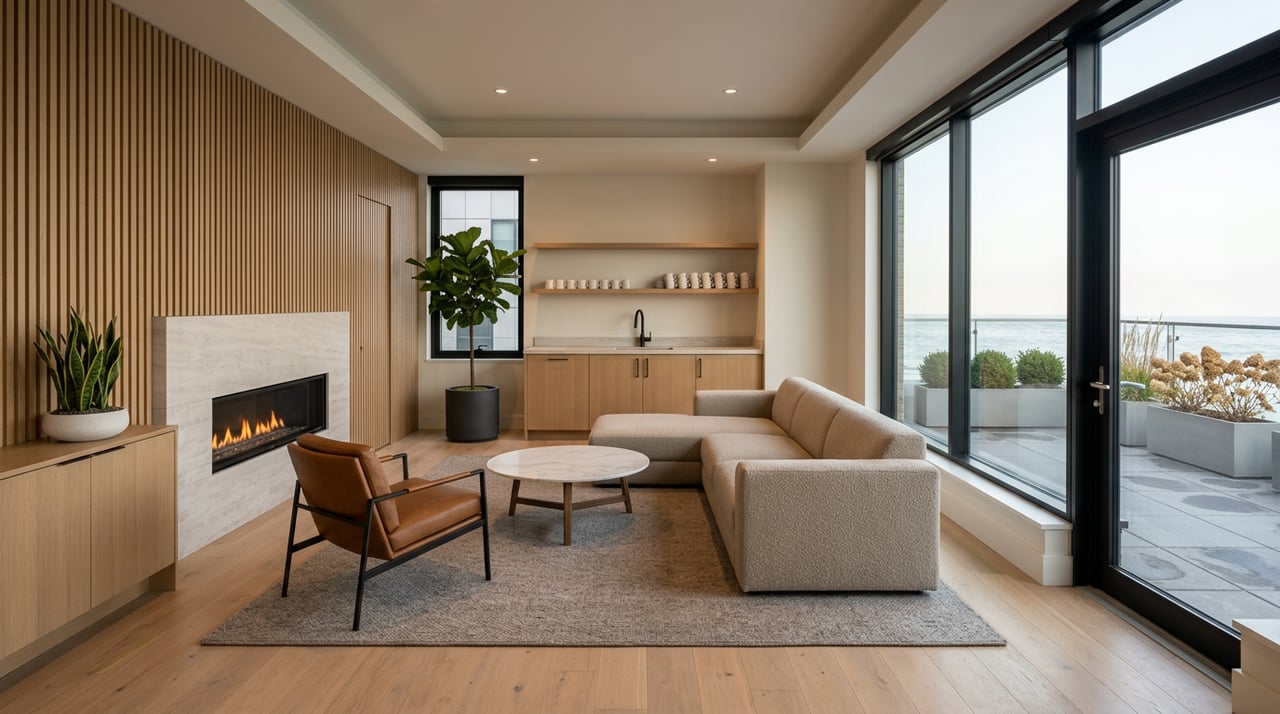
Rooftop terraces, harbor-facing lounges, grills, and firepits add strong lifestyle appeal. Expect seasonal rules and extra management for cleanup, noise, and insurance. Newer buildings sometimes add dog runs and grooming rooms, which pet owners value. These amenities raise ongoing cleaning and staffing costs that appear in dues. Pier 4 showcases how curated outdoor and pet amenities can be packaged in a boutique setting. See modern outdoor and pet-forward amenities.
Delivery rooms, bike storage and extra storage
Secure package rooms, cold storage, bike rooms, and private storage cages are common differentiators. Ask whether package handling is staffed and how oversized deliveries are scheduled.
Fees, reserves and resale impact
How condo fees are built
Monthly dues typically cover building operations, insurance for common areas, management, utilities for shared spaces, and reserve contributions for large future projects. Request the current budget to see how much is operating cost versus reserves. The state’s due-diligence guidance highlights these elements and the questions to ask. See Massachusetts guidance on due diligence.
Why reserve studies matter
A reserve study identifies when big-ticket items like roofs, facades, elevators, garages, or pools will need work and how much to save. Underfunded reserves can lead to special assessments or sharp fee increases. Ask for the most recent study, the recommended funding level, and current reserve balance. Learn how reserve studies are prepared.
What amenities mean for resale
Well-executed amenities, especially waterfront views, Harborwalk adjacency, secure parking, and marina access, can attract a focused buyer pool and support premium pricing. Expansive amenity packages also raise monthly dues, which may narrow the field to buyers comfortable with higher carrying costs. On the Waterfront, prices often reach seven figures, so the association’s financial strength and dues structure are central to your long-term affordability and resale story. Ground your decision in the building’s budget, reserve study, and recent comparable sales.
Due diligence: documents and questions
Documents to request before you waive contingencies
- Master Deed and Declaration of Trust
- Bylaws and Rules and Regulations, including pet, smoking, noise, grill and alteration rules
- Current year budget and recent financial statements, including reserve balance
- Latest reserve study and funding plan
- Board meeting minutes for the last 12 to 24 months
- Certificate of insurance or master policy summary, including deductibles
- List of pending or recent special assessments and any litigation
- Owner-occupancy and rental policy summary
- Parking and marina documentation, including deeds, leases, guest policies and fees
- Chapter 91 license and Harborwalk management plan, if the property abuts tidelands
For context, Massachusetts offers helpful due-diligence prompts for consumers. Use the state’s due-diligence checklist as a guide.
Targeted questions to ask the association or listing team
- What exactly does the monthly fee cover, and what is separate?
- When was the last reserve study, and what is the recommended funding level and current reserve balance?
- Are there any pending or recent special assessments, and for what purpose?
- Is a marina slip deeded, leased, or available only by separate contract? Are there waitlists and seasonal fees?
- Does the property have Chapter 91 obligations for Harborwalk maintenance, and who pays for upkeep and repairs?
- What is the EV charger policy and process under Section 10A, including timelines and cost allocation?
- What is the building’s short-term rental policy, and is it consistent with Boston’s ordinance? Review Boston’s STR ordinance overview
- What is the current percentage of investor-owned or leased units, and how might that impact financing and insurance?
Red flags to watch
- Thin reserves relative to the reserve study, or frequent special assessments
- Unclear marina rights or marketing that suggests a slip is included when it is not
- Gaps in governance, such as missing minutes, frequent board turnover, or ongoing litigation
- Extensive amenities paired with low owner occupancy and limited reserves
If you want a statutory reference point for how Massachusetts condominiums operate, Chapter 183A is the foundational law. Review Massachusetts Chapter 183A.
Local operational factors to consider
Climate and building envelope
Waterfront buildings face salt air, freeze-thaw cycles, and sea-level rise planning. Expect more frequent facade, balcony, waterproofing, and garage work than inland properties. Those needs should be reflected in the reserve funding plan. The state’s waterways guidance provides planning context used in licensing and resilience discussions. See Waterways regulations and guidance.
Insurance structure
High-rise and waterfront properties may carry larger master policy deductibles. Ask how deductibles are handled, whether the association has loss-assessment coverage, and what an owner should carry personally. The master policy summary should outline these items. Use the state’s due-diligence prompts to frame insurance questions.
Short-term rentals and enforcement
Boston requires short-term rental registration and compliance with local rules, and associations can set more restrictive policies. If a building allows STRs, ask who registers units, who collects occupancy taxes, and how rules are enforced. City registration and platform reporting have increased oversight. Read the city’s STR ordinance overview.
Quick checklist for a Waterfront buyer
- Request: master deed, bylaws, rules, current budget, last three years of financials, latest reserve study, 12–24 months of board minutes, certificate of insurance, list of current or pending assessments, condo questionnaire, parking and marina agreements, owner-occupant ratio, litigation disclosures, and any Chapter 91 license or Harborwalk management plan.
- Ask: what does the monthly fee include, what are the reserves and planned projects, any envelope or garage work planned, how Harborwalk obligations are funded, the EV charger approval process, the STR policy and city registration status, and the exact status of parking and slips.
Choosing the right fit
The right Waterfront condo balances lifestyle and numbers. Look for a clean amenity package that you will use, a transparent budget, a well-funded reserve plan, and clear documentation on any public-access or marina obligations. That combination supports daily enjoyment and stronger resale.
If you want a discreet, expert comparison of buildings and fees, or access to off-market options, reach out to David Mackie for tailored guidance.
FAQs
What is the Harborwalk and how might it affect my condo fees?
- The Harborwalk is a public waterfront path, and many Waterfront condos are obligated under Chapter 91 to maintain adjacent segments and public features, which can appear in the association’s operating budget.
Are marina slips usually included with Boston Waterfront condos?
- Slips are often separate from condo ownership and may be deeded, leased, or managed by a third party with waitlists and seasonal fees, so always verify the exact terms in writing.
How do amenities like pools and concierge impact monthly dues?
- Staffing and high-maintenance amenities such as pools increase operating costs and reserve needs, which typically leads to higher monthly condo fees.
Can I install an EV charger in my garage space?
- Massachusetts law protects your right to install EV charging equipment in an exclusive-use space, subject to reasonable association rules, permitting, and electrical capacity.
What documents should I review before buying on the Waterfront?
- Request the master deed, bylaws, rules, current budget, recent financials, latest reserve study, board minutes, insurance summary, parking and marina documents, and any Chapter 91 license.
Do Boston Waterfront condos allow short-term rentals?
- Policies vary by association, and Boston requires registration and compliance, so confirm the building’s rules and how they align with the city’s short-term rental ordinance.