Should you choose Boston’s Seaport or the Downtown Waterfront for luxury condo living? Both deliver front‑row harbor access, but the day‑to‑day experience can feel very different. If you are relocating for work or evaluating a high‑end investment, you want clarity on lifestyle fit, services, views, commute, and long‑term risk. This guide gives you a clear comparison, a fast decision framework, and a due‑diligence checklist to use on any unit you tour. Let’s dive in.
Neighborhood context
The Seaport District is Boston’s newer South Boston Waterfront, often called the Innovation District. It has grown rapidly with master‑planned blocks and contemporary residential towers built mainly since the 2000s. You can read a concise overview in the Seaport District entry on Wikipedia. Seaport District overview
When people say “the Waterfront,” they usually mean the Downtown/Wharf District that includes the historic wharves around Long Wharf, Rowes Wharf, the Aquarium area, and waterfront park space. It is an older, established waterfront with earlier‑era condo developments and a different ownership pattern. For planning context, review the Downtown Waterfront District Municipal Harbor Plan. Downtown Waterfront planning context
Seaport continues to add projects within Seaport Square and adjacent parcels, which increases future housing supply compared with the Downtown Waterfront. For an at‑a‑glance view of that pipeline, see WS Development’s project summary. Seaport Square pipeline summary
Buildings and layouts
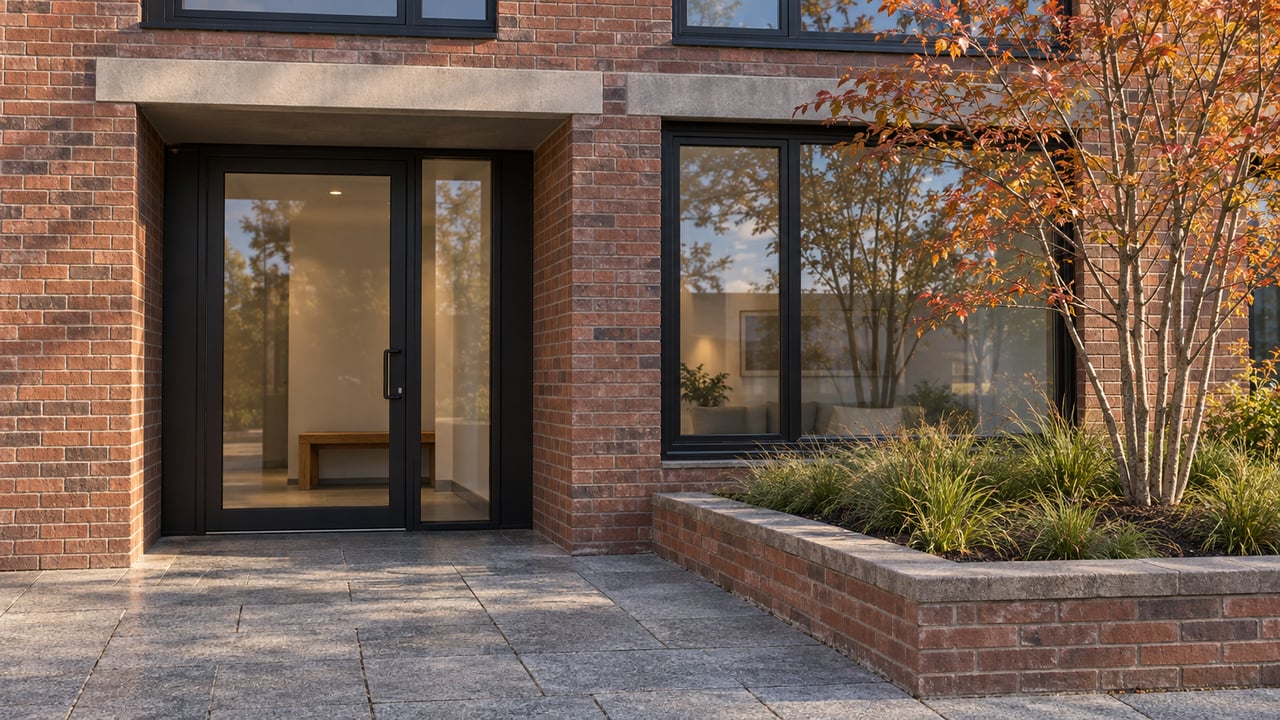
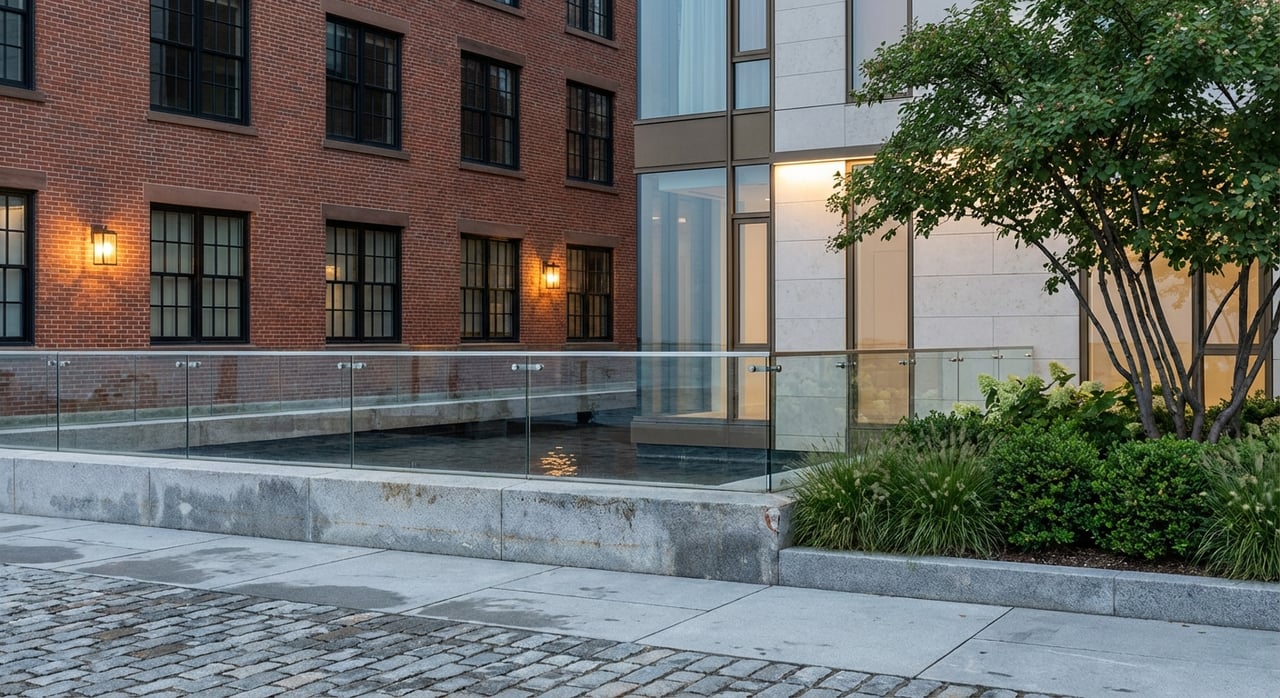
Seaport offers predominantly new‑build towers and boutique residences with modern systems and floor‑to‑ceiling glass. Many units feature open plans and private terraces. Standout addresses include EchelonSeaport, 22 Liberty, 50 Liberty, Pier 4, and the St. Regis Residences.
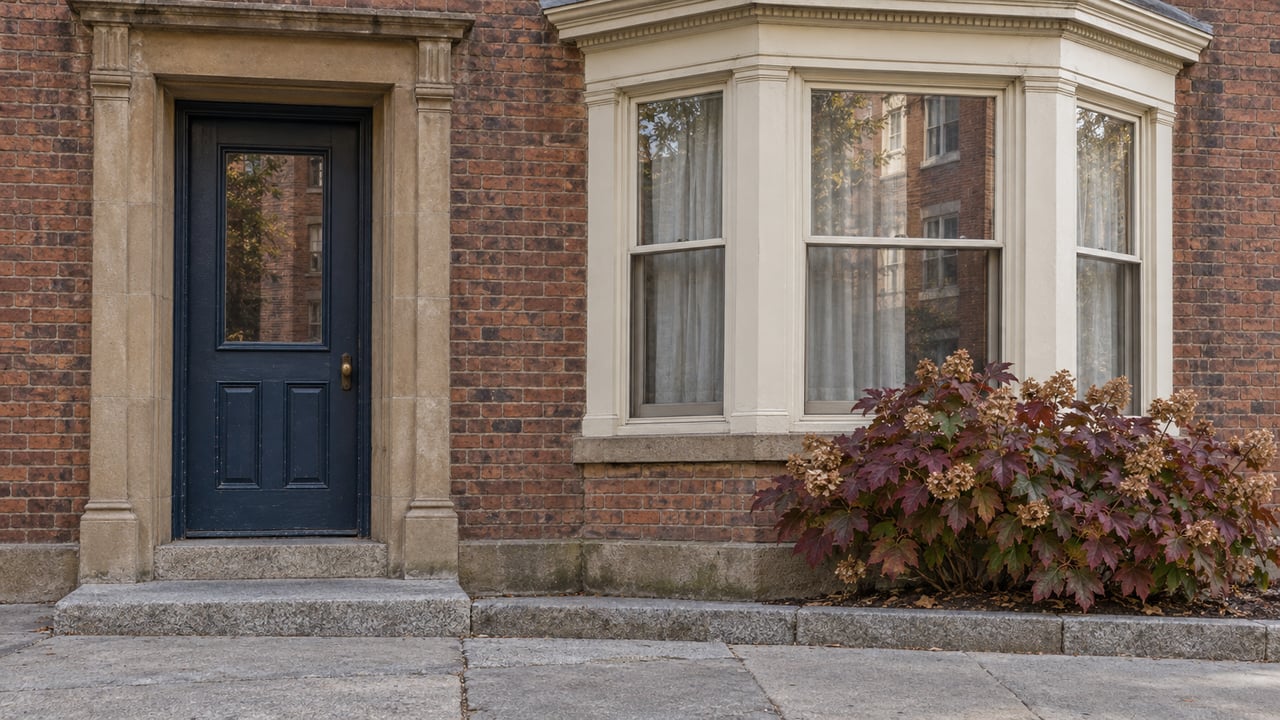
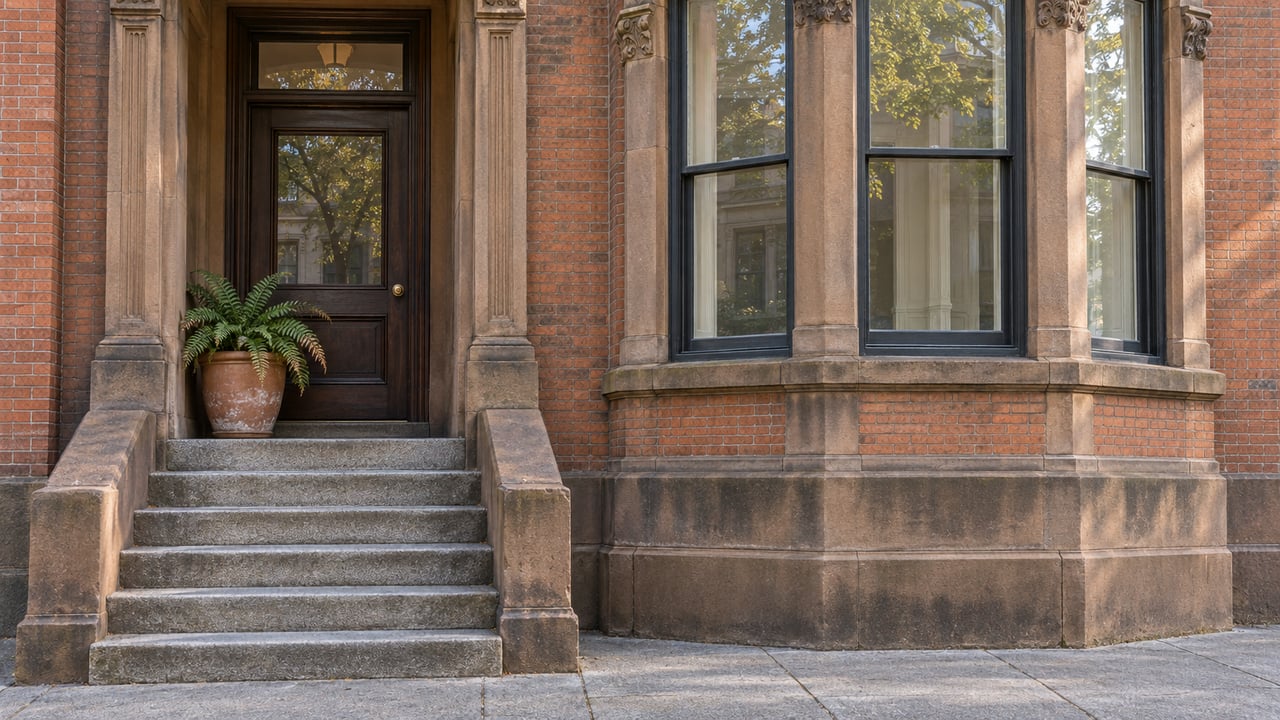
The Downtown Waterfront’s housing stock includes older full‑service towers and conversions. Buildings like Harbor Towers (completed in 1971) and others around Rowes Wharf and Burroughs Wharf often include larger floor plates and established associations. Harbor Towers background
Bottom line: if you want new mechanicals, contemporary layouts, and private outdoor space, Seaport tends to deliver. If you favor established buildings and classic full‑service living, the Waterfront is a strong match.
Amenities and services
Many newer Seaport towers emphasize expansive amenity suites. Think indoor and outdoor pools, large fitness centers, lounges, and club spaces. Some buildings introduce hotel‑level services and branding.
Waterfront properties typically provide concierge and doorman services, sometimes connected to hotel offerings at nearby complexes, but with amenity footprints that are often smaller or more traditional than Seaport’s resort‑style packages.
If you want large, shared leisure spaces to host, entertain, and relax, you will often find more choices in the Seaport. If you want classic full‑service in a mature setting with immediate access to downtown, the Waterfront works well.
Views and outdoor space
Seaport’s newer towers are frequently oriented to frame open harbor panoramas and sunset views, with many residences offering terraces or wrap balconies.
The Downtown Waterfront’s outlook often mixes harbor and marina views with the historic skyline, the Greenway, and landmark towers. The feel is more classically urban and tied to Boston’s historic fabric.
If uninterrupted open‑water vistas rank first for you, Seaport often leads. If you prefer wharf‑front activity and a downtown skyline backdrop, the Waterfront may fit better.
Dining and culture
Seaport has become a center for contemporary dining, seasonal events, and cultural anchors like the Institute of Contemporary Art. Explore current exhibitions to get a sense of the neighborhood’s energy. Institute of Contemporary Art exhibitions
The Downtown Waterfront places you beside the New England Aquarium and within easy reach of Faneuil Hall/Quincy Market and the North End restaurant cluster. Get a quick feel for the Aquarium’s programming here. New England Aquarium overview
Choose Seaport for a concentration of new restaurants and nightlife. Choose the Waterfront for classic Boston destinations and an immediate link to the Financial District.
Transit and daily convenience
Seaport is served by the MBTA Silver Line’s bus‑rapid transit, with direct links to South Station and Logan Airport via SL1. If you prioritize reliable airport access, this is a strong plus. Silver Line overview
The Downtown Waterfront connects to the Blue Line at Aquarium station and offers short walks to the Financial District with transfers to Green, Orange, and Red lines nearby. Aquarium station details
Newer Seaport towers typically include on‑site garage or valet parking. Waterfront properties often rely on garage or valet arrangements tied to the building. If you drive regularly, plan your parking strategy and monthly cost.
Pricing, supply, and carrying costs
Seaport’s branded new‑construction towers often command top pricing in Boston’s luxury segment. The district also has a larger future pipeline, which increases new‑product competition and can influence resale dynamics. See recent approvals and headline unit counts for a sense of scale. BPDA approvals snapshot
The Downtown Waterfront has luxury product but fewer large new parcels, so supply is comparatively constrained. In both districts, compare monthly HOA fees and what they fund. Amenity‑rich buildings carry higher staffing and maintenance costs. Review line items like reserves, utilities, concierge staffing, pools, and parking.
Before you set a target price, ask your advisor for recent building‑level sales, days on market, and $/sq ft trends for both 02210 and 02109/02110.
Climate resilience and insurance
Both districts are low‑lying waterfront areas flagged in Boston’s resilience studies for coastal flooding and sea‑level rise exposure. Buyers should request flood zone maps, elevation certificates, and details on building‑level adaptations, including where mechanicals are located and any floodproofing. Review this Conservation Law Foundation analysis for broader context. Climate resilience overview
Plan to obtain flood and wind insurance quotes early in your process, especially if you are financing.
Short‑term rental rules
Boston restricts short‑term rentals to owner‑occupied types and requires registration. Whole‑unit short‑term rentals that are not owner‑occupied are generally not permitted in most multi‑unit buildings. Verify both the city’s rules and your building’s CC&Rs before assuming rental income. Boston short‑term rental rules
Quick decision guide
Use these prompts to align your choice with your priorities:
- Lifestyle: Prefer contemporary dining and event buzz in a new district? Choose Seaport. Prefer historic atmosphere and classic Boston landmarks at your doorstep? Choose the Waterfront. ICA exhibitions
- Building preference: Want modern systems, open plans, and expansive amenities? Seaport. Prefer established full‑service buildings and larger classic floor plates? Waterfront.
- Commute: Need a direct airport link? Seaport via the Silver Line. Need Blue Line access or a walk into the Financial District? Waterfront. Silver Line Aquarium station
- Views: Prioritize open harbor panoramas and terraces? Seaport. Prefer wharf activity and a downtown skyline mix? Waterfront.
- Investment posture: Comfortable with a district adding new supply and competitive new product? Seaport. Prefer scarcity dynamics in an established waterfront? Waterfront. Review recent approvals for context. BPDA approvals
- Resilience: In both areas, elevate resiliency in your search. Ask for finished floor elevations, location of critical systems, and any building resilience projects. Climate resilience
Due‑diligence checklist
Before you make an offer, request and review:
- HOA documents: bylaws, CC&Rs, budget, reserve study, recent minutes, special assessment history, rental caps, guest and parking rules.
- Building systems and age: year built, envelope and mechanical upgrades, elevator modernization, window replacements, and any prior coastal flood incidents. Harbor Towers reference point
- Flood and insurance: FEMA flood zone, elevation certificates, location of boilers and electrical rooms, and quotes for flood and wind coverage. Climate resilience context
- Short‑term rentals and leasing: building’s minimum lease terms and eligibility for city STR registration. Boston STR rules
- Parking and storage: deeded vs valet, storage assignments, guest parking policy and costs.
- Market comps: building‑level sales and comps in both districts to understand pricing and liquidity.
- New‑construction details: for recent Seaport towers, review warranty terms, delivery timelines, and any phased completion documents. Seaport Square overview
What this means for you
If you want a turnkey, modern environment with resort‑style amenities and direct airport access, the Seaport is likely your match. If you value classic Boston character, immediate access to the Financial District, and a mature waterfront setting, the Downtown Waterfront may be ideal. In both areas, factor in HOA costs, flood resilience, and building‑specific capital plans along with views and layout.
If you would like a curated short list of buildings that align with your lifestyle and investment goals, along with discreet access to select off‑market options, connect with David Mackie for concierge‑level guidance.
FAQs
What are the key differences between Seaport and the Downtown Waterfront for condo buyers?
- Seaport skews newer with larger amenity suites and open‑water views, while the Downtown Waterfront offers established full‑service buildings, classic harbor settings, and immediate proximity to the Financial District.
How does transit compare between Seaport and the Downtown Waterfront?
- Seaport connects to South Station and Logan via the Silver Line BRT. The Downtown Waterfront has Blue Line service at Aquarium station and short walks to other core subway lines.
Are short‑term rentals allowed in Boston waterfront condos?
- Boston limits STRs to owner‑occupied types and requires registration. Whole‑unit, non‑owner STRs are generally not permitted in most condos. Check city rules and building CC&Rs.
What flood and climate risks should I consider with waterfront condos?
- Request FEMA zones, elevation certificates, and details on building floodproofing and mechanical locations. Obtain flood and wind insurance quotes early in your process.