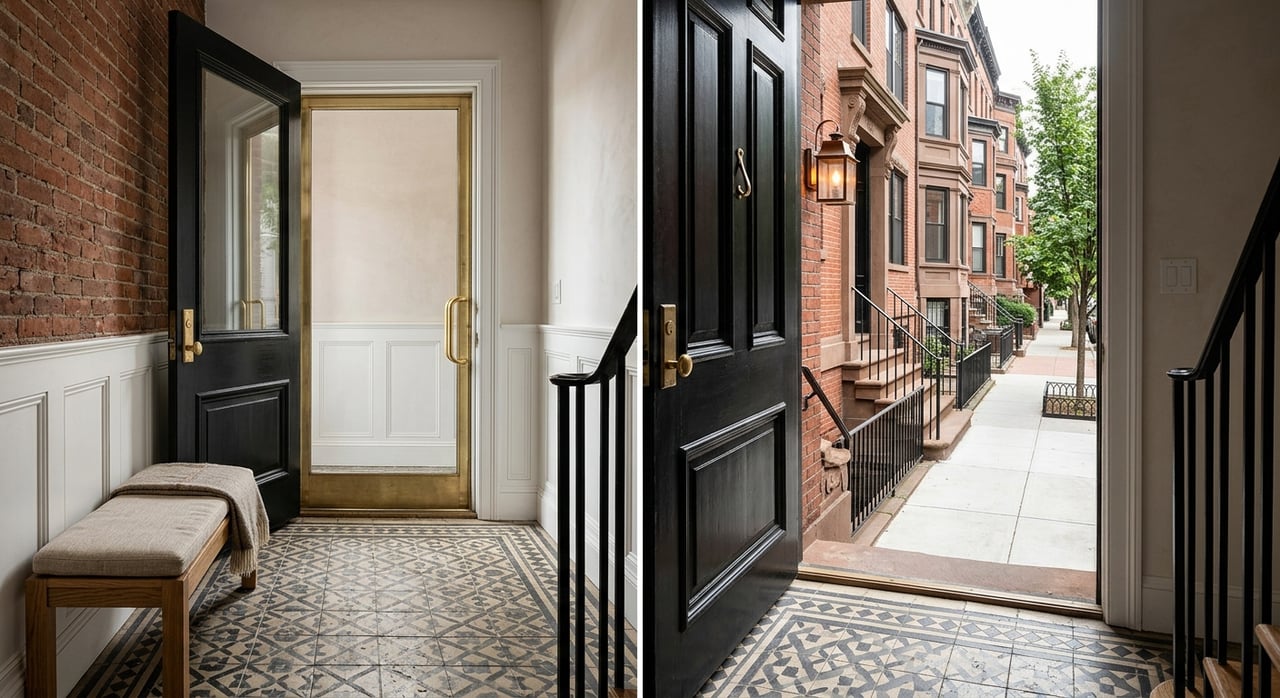
If you want city living without giving up an easy routine for your dog, Boston’s South End deserves a close look. For many buyers, the challenge is finding a neighborhood that balances condo convenience, daily walkability, and real access to green space. In the South End, that mix is unusually strong, especially if you understand how the neighborhood works block by block. Let’s dive in.
Why the South End Works for Dog Owners
The South End offers a practical setup for condo living with a dog. According to the City of Boston’s South End neighborhood overview, the area sits minutes from Downtown and Back Bay, with Victorian brownstone blocks, major streets like Tremont, Columbus, and Massachusetts Avenue, and nearly 30 parks.
That matters because dog-friendly city living is often less about one large park and more about your full daily rhythm. In the South End, you can build that routine around tree-lined streets, short walking distances, neighborhood services, and a mix of pocket parks and longer walk corridors.
The neighborhood also supports a lifestyle that feels active and connected. Shawmut Avenue, Tremont Street, and Harrison Avenue each add something different, from restaurants and boutiques to the SoWa Open Market, helping make everyday errands and dog walks feel like part of the same routine.
Know Boston’s Dog Rules
Before you choose a condo, it helps to understand the city’s basic rules. The City of Boston’s dog regulations for parks state that dogs are welcome in city parks on leashes up to eight feet, and off-leash activity is allowed only in designated dog recreation spaces.
The same rules require owners to clean up after their pets under the city’s pooper-scooper ordinance. In practical terms, that means the South End is well suited to structured leash walks, while off-leash time is best planned around the neighborhood’s designated dog area rather than assumed in every park.
Parks for Daily Walks
One of the South End’s biggest strengths is the number of parks woven into the neighborhood. The city’s South End parks and playgrounds information highlights places such as Blackstone Square, Franklin Square, Titus Sparrow Park, Union Park, and Worcester Square.
These spaces are especially useful for condo owners because they break up the neighborhood into easy walking segments. Instead of relying on one destination, you have multiple options for a quick morning loop, a mid-day outing, or an evening walk close to home.
The city also notes that Blackstone and Franklin Parks are classically designed open spaces that offer a respite from busier streets. For many buyers, that type of quieter green space is exactly what makes dense urban living more comfortable with a dog.
Peters Park for Off-Leash Time
If off-leash access is important to you, Peters Park is the key location to know. The City of Boston lists Peters Park at 230 Shawmut Avenue as the South End’s designated dog recreation space.
That makes it one of the neighborhood’s most important amenities for dog owners. It gives you a clear place for play and socialization without needing to leave the neighborhood, which can be a major advantage if you live in a condo without a large private outdoor area.
For buyers comparing Boston neighborhoods, this is an important distinction. Some areas offer pleasant walking streets, but the South End pairs that with a defined off-leash option right within the neighborhood fabric.
The Southwest Corridor Adds Range
For longer walks, the nearby Southwest Corridor greenway adds real flexibility. Boston describes it as a 4.7-mile linear park and one of the city’s busiest walking and bicycling routes.
That creates a broader walking network beyond the South End’s smaller squares and pocket parks. If you like the idea of starting with neighborhood streets and then connecting to a longer green route, this corridor is one of the area’s biggest advantages.
Open-space improvements have also strengthened the neighborhood’s appeal. The city reported that Titus Sparrow Park recently reopened after major improvements, and the same update notes proximity to the Southwest Corridor. The city also approved funding to rehabilitate Dartmouth Green Pocket Park with accessible pathways, seating, and new plantings.
Condo Features That Matter Most
In the South End, dog-friendly condo living often comes down to choosing the right type of building. Broadly, buyers tend to weigh historic brownstone conversions against newer full-service buildings, each with a different version of convenience.
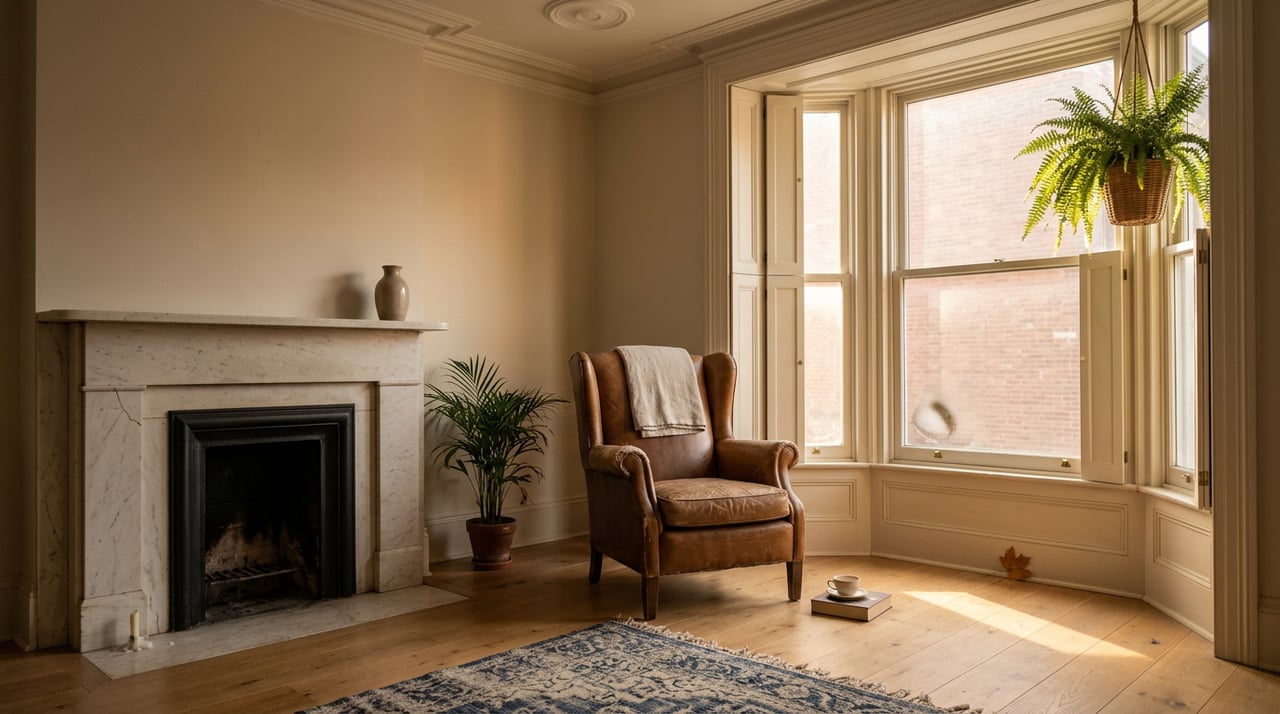
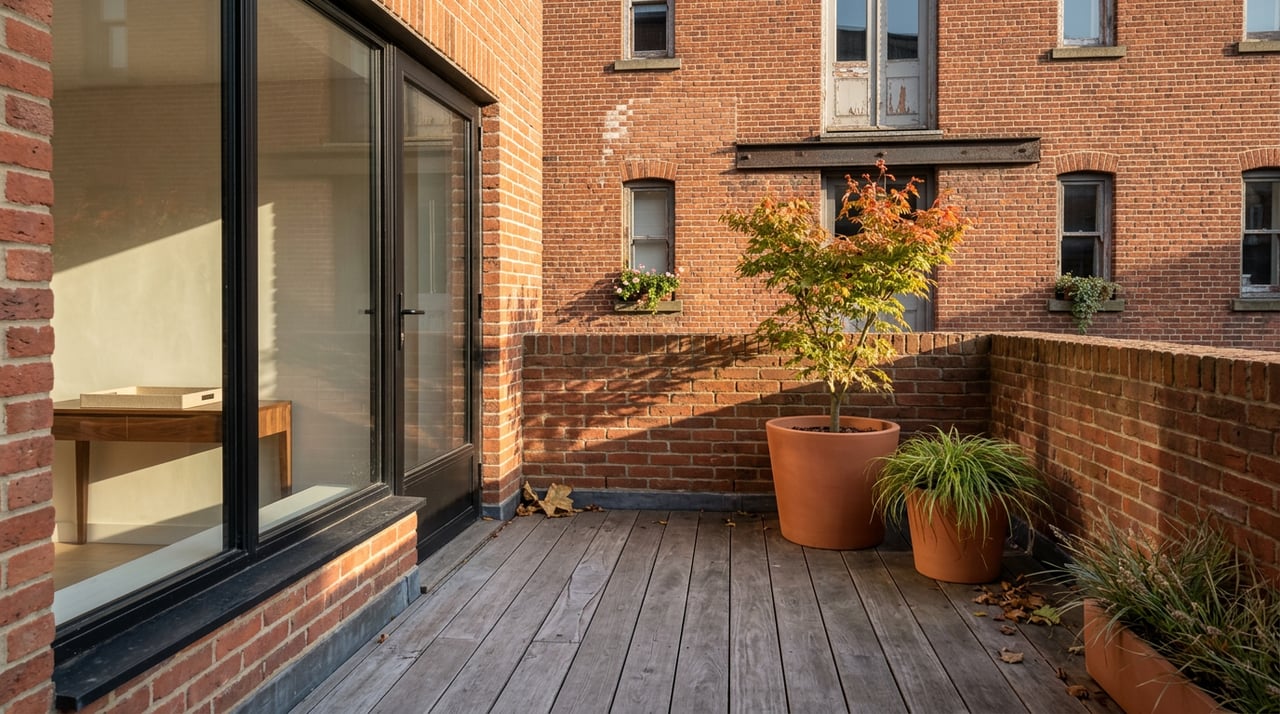
Historic residences may offer character, classic architecture, and in some cases private outdoor space. Newer buildings may provide a more amenity-driven lifestyle, which can be especially useful if you want easier day-to-day logistics with a dog.
One strong example is Ink Block’s amenity collection, which includes a pet grooming station, indoor relief area, pet park, elevator access to the parking garage, concierge service, and onsite retail and dining. Even if you are considering other buildings, this gives a helpful snapshot of the pet-forward features that many buyers prioritize.
When you evaluate condos in the South End, pay close attention to features like:
- Pet policies
- Elevator access
- Garage parking
- Concierge service
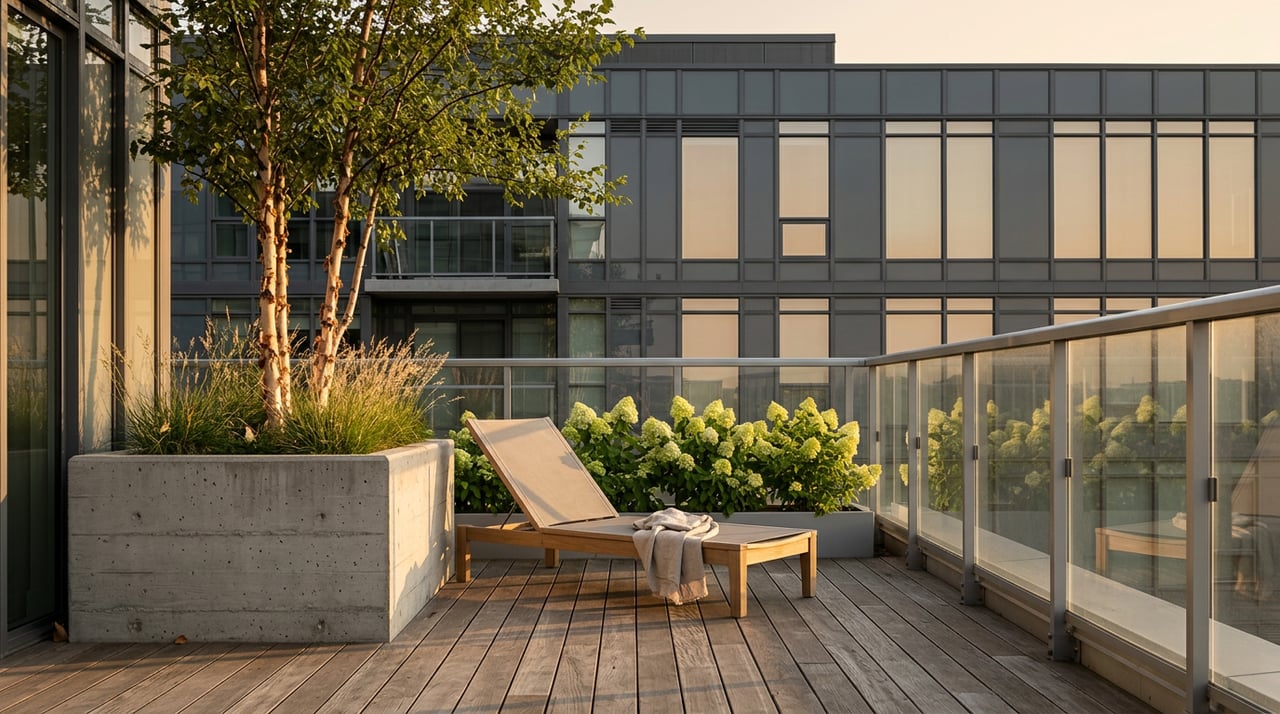
- Private terraces or roof decks
- Building pet amenities such as grooming stations or relief areas
- Walkable access to parks, pet services, and outdoor dining
For many buyers, the right choice is less about square footage alone and more about how smoothly the building supports daily life.
Dog-Friendly Stops Around the Neighborhood
The South End’s appeal is not limited to parks. Part of what makes the neighborhood work so well is how easily pet-related errands and casual outings can fit into a walk.
For a neighborhood café stop, recent coverage from the Boston Globe highlights South End Buttery as especially dog-friendly, with patio seating and a reputation for welcoming dogs. It is a useful example of the South End’s relaxed, patio-oriented café culture.
For dining, Coppa’s official site highlights its expansive patio seating, making it another example of how a walk can easily lead into an outdoor meal. This kind of lifestyle convenience matters if you want a neighborhood where your dog can be part of your routine rather than an obstacle to it.
That said, it is important to be precise here. Boston’s dog-friendly patio policy requires restaurants and beer gardens to obtain a city variance. Dogs must be leashed, patios must be entirely outdoors, and dogs are not allowed inside restaurants except for service animals.
So while dog-friendly patios are increasingly part of the South End experience, they are not automatic at every establishment. It is best to think of this as a growing outdoor-dining option rather than a blanket rule.
Pet Services Within Reach
Convenience also shows up in the neighborhood’s pet services. Polkadog’s South End bakery on Shawmut Avenue offers food, treats, chews, and accessories, giving dog owners an easy local stop for essentials and small extras.
The research also points to nearby grooming, daycare, veterinary, training, and walking services in and around the South End. For condo residents, that concentration of services can make daily logistics much easier, especially if you travel often, work long hours, or simply want more support built into your routine.
What a South End Dog Routine Can Look Like
One of the most appealing things about the South End is how naturally the neighborhood pieces together on foot. Based on the city’s park information and local business locations, many residents can create a simple leash-walk loop that connects Peters Park, Shawmut Avenue, local café stops, pet supply shopping, and the broader green-space network near Titus Sparrow Park and the Southwest Corridor.
That is not an official city route, but it is a useful way to picture daily life. If you are searching for a condo, this is the kind of neighborhood where your building, your walk, your coffee stop, and your dog errands can all fit into a relatively compact area.
What to Look for When Buying
If you are considering a South End condo with a dog, focus on how the property supports your real routine. A beautiful home matters, but so does the walk from your front door to green space, the ease of getting in and out with your dog, and the services nearby.
A few smart questions to ask include:
- Is there a designated off-leash option nearby?
- How close is the condo to everyday leash-walk routes?
- Does the building have clear pet policies?
- Are there elevators, garage parking, or concierge services that make arrivals and departures easier?
- Is there private outdoor space, a roof deck, or pet-specific building amenities?
- Can you comfortably reach pet supplies, veterinary care, or daycare on foot or with a short trip?
For buyers at the luxury end of the market, these details often make the difference between a home that simply allows dogs and one that truly supports dog ownership well.
If you are exploring the South End or comparing it with other central Boston neighborhoods, David Mackie offers discreet, high-touch guidance for buyers seeking refined condo living, pet-friendly convenience, and access to exceptional on- and off-market opportunities.
FAQs
Where can dogs go off-leash in Boston’s South End?
- Peters Park is the South End’s city-designated dog recreation space for off-leash use.
Are dogs allowed in most South End parks?
- Yes. Boston allows dogs in city parks on leashes up to eight feet, and owners must clean up after them.
Are all South End restaurant patios dog-friendly?
- No. Restaurants and beer gardens need city approval for dog-friendly outdoor spaces, and dogs must remain leashed on fully outdoor patios.
What condo amenities are most useful for dog owners in the South End?
- Features that often matter most include pet-friendly policies, elevator access, garage parking, concierge service, private outdoor space, roof decks, grooming stations, and pet relief or play areas.
Why is the South End a strong fit for condo buyers with dogs?
- The neighborhood combines nearly 30 parks, walkable streets, a designated dog park, patio-based dining options, and nearby pet services that can make daily urban living easier.