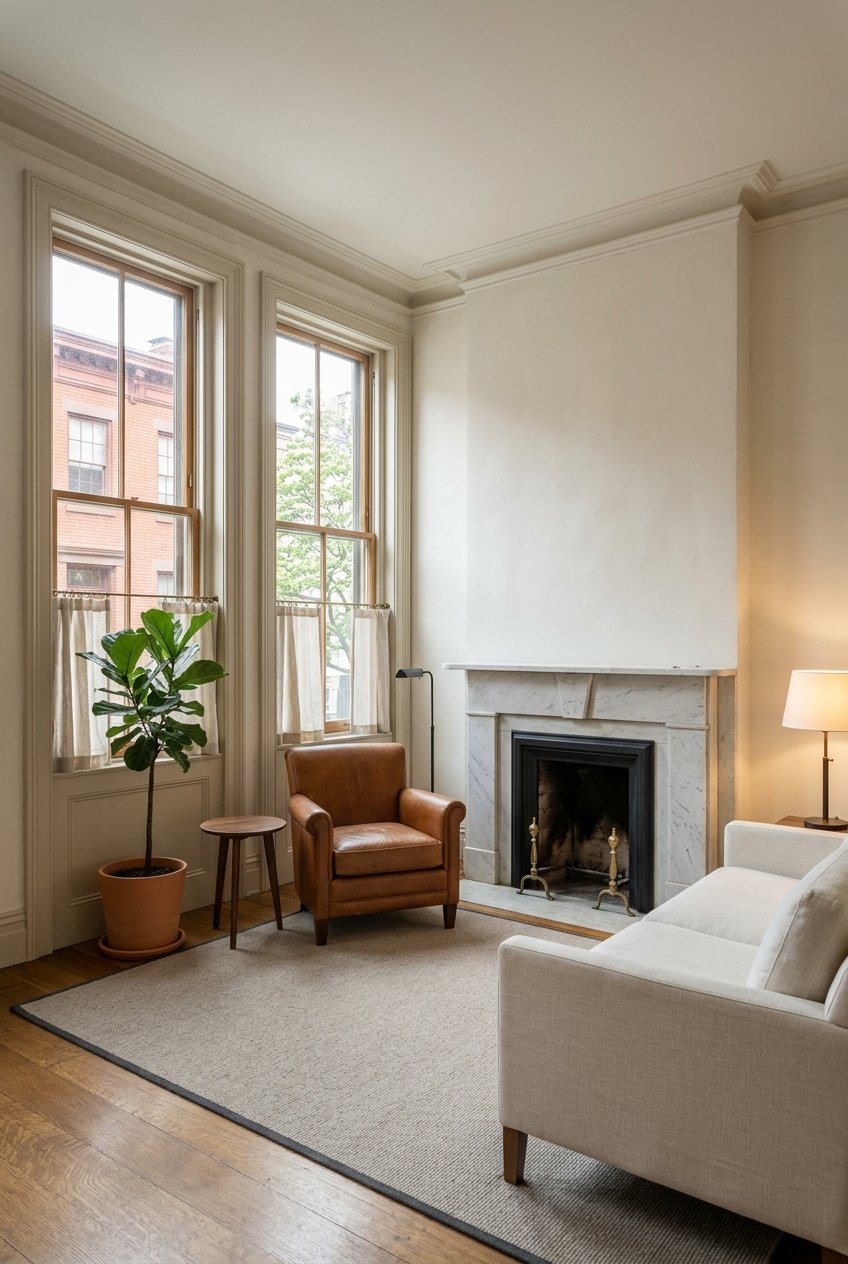
If you own a home in Beacon Hill, you are not just selling square footage. You are selling a place within one of Boston’s most recognizable historic streetscapes. That can feel like a balancing act, especially if you want to maximize value without stripping away the details that make your home distinct. In this guide, you’ll see how to prepare, present, and market a Beacon Hill home in a way that respects its character and helps buyers understand its value. Let’s dive in.
Why character matters in Beacon Hill
Beacon Hill is one of Boston’s oldest neighborhoods, and its historic district has been protected since 1955. The district was expanded again in 2024, and the City of Boston states that exterior work visible from a public way is subject to Beacon Hill Architectural Commission review before work begins. That means a home here is part of a regulated historic setting, not just an individual property.
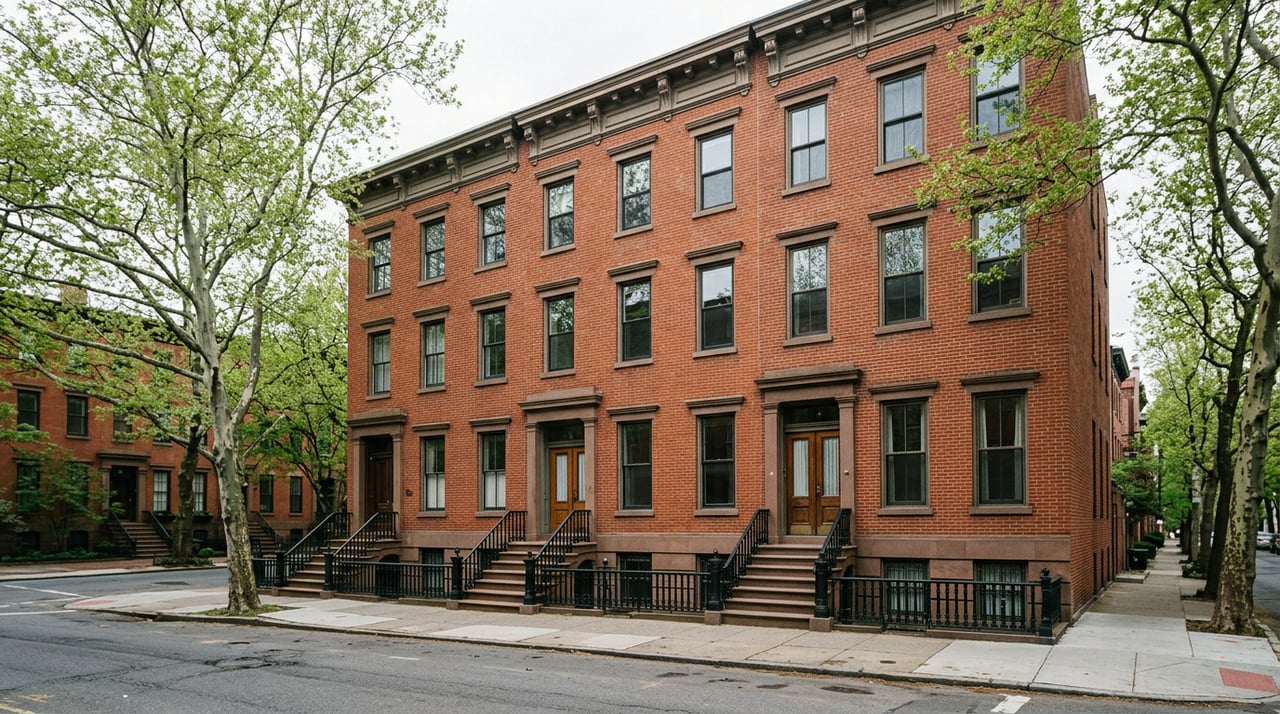
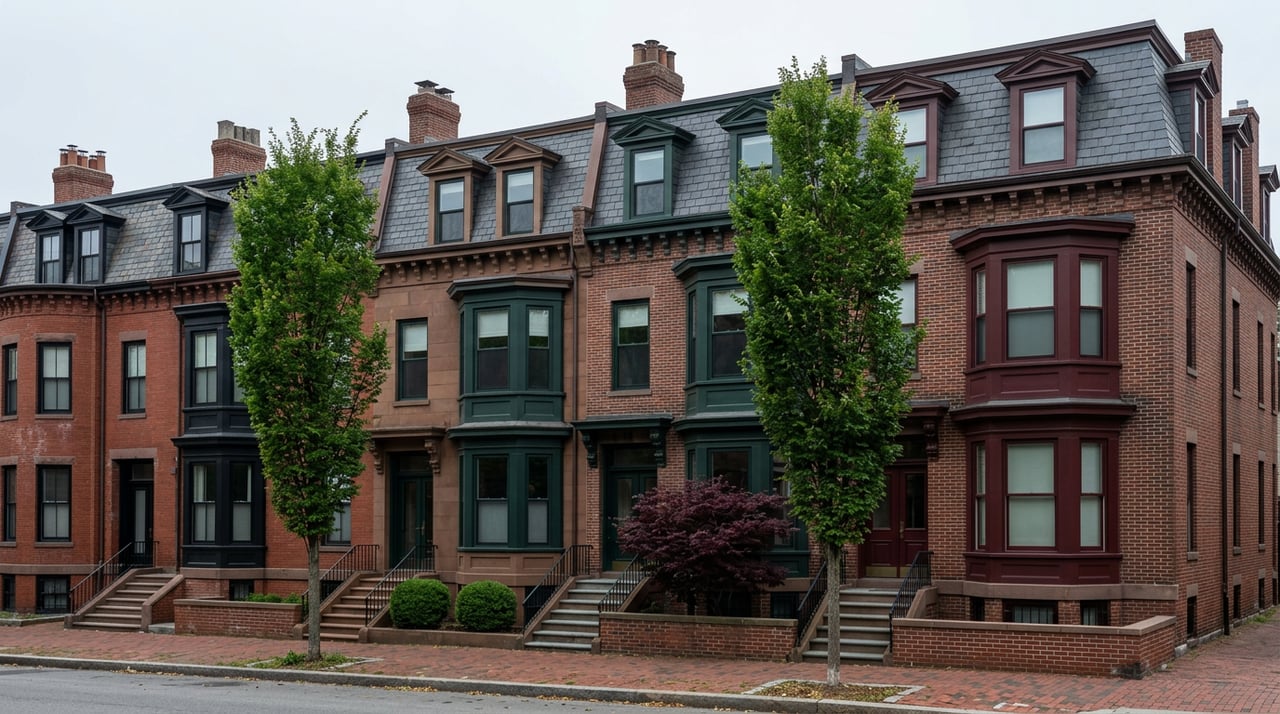
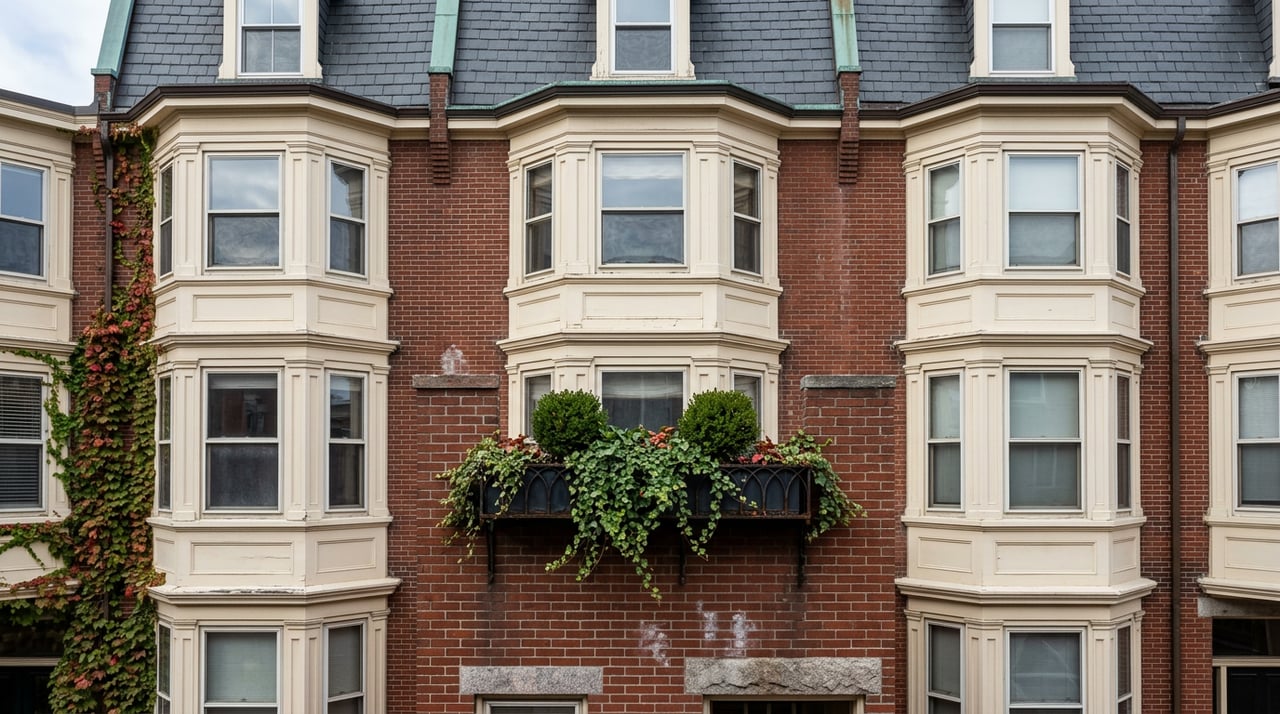
Boston also describes Beacon Hill as a compact neighborhood known for brick row houses, ornate doors, decorative ironwork, brick sidewalks, and gas lamps. For buyers, those details shape the experience of the home before they ever step inside. In practical terms, your exterior presentation and preservation choices can influence how the property is perceived from the start.
Boston Planning’s 2025 estimates show 6,068 housing units in Beacon Hill, with 5,504 occupied units. Of those occupied homes, 46.2% are owner-occupied and 48.8% are renter-occupied. That mix suggests buyers may be comparing your property not only on architecture, but also on ease of living, condition, and documentation.
Start with preservation, not replacement
In Beacon Hill, newer is not always better. The Beacon Hill Architectural Commission guidelines favor repair over replacement and support decisions based on physical or pictorial evidence. Original or historically significant materials should be maintained and repaired whenever possible, and new materials should match the old in composition, design, color, texture, and visible qualities.
This matters before you list. A rushed exterior refresh that ignores those standards can undercut value instead of adding it. Buyers in this market are often sensitive to authenticity, and visible shortcuts can raise questions about the rest of the home.
Features worth protecting
The most important elements are often the ones buyers notice first from the street. According to the guidelines, special care should be given to:
- Windows and their original proportions
- Entry doors and visible trim
- Masonry and mortar joints
- Rooflines and rooftop visibility
- Iron railings, grilles, and decorative metalwork
- Paint colors on paintable historic surfaces
The guidelines also discourage vinyl-clad windows, metal-clad or flush doors, painted masonry without historic evidence, harsh masonry cleaning, and visible mechanical equipment. New façade openings are not allowed, and rooftop additions or equipment visible from a public way can be problematic.
What to do before listing
The safest pre-listing improvements are usually conservation-focused. In many cases, that means:
- Repairing rather than replacing original materials
- Repointing masonry with historically appropriate methods
- Preserving original window patterns and divided-light configurations
- Maintaining ironwork instead of removing it
- Using historically appropriate paint treatments where applicable
This approach aligns with Beacon Hill review criteria, which emphasize historical character, design, material, texture, and color. It also helps your home present as carefully stewarded rather than recently altered for convenience.
Not every later change should disappear
Historic character is not always limited to the very first version of a house. The Beacon Hill Architectural Commission notes that some later changes can become part of a building’s historic integrity. In other words, the goal is not to erase every layer that came after original construction.
That is why a thoughtful pre-listing review matters. You want to separate meaningful historic evolution from changes that simply distract from the architecture. A measured strategy usually performs better than an aggressive attempt to make the home look artificially “older.”
Stage the home with restraint
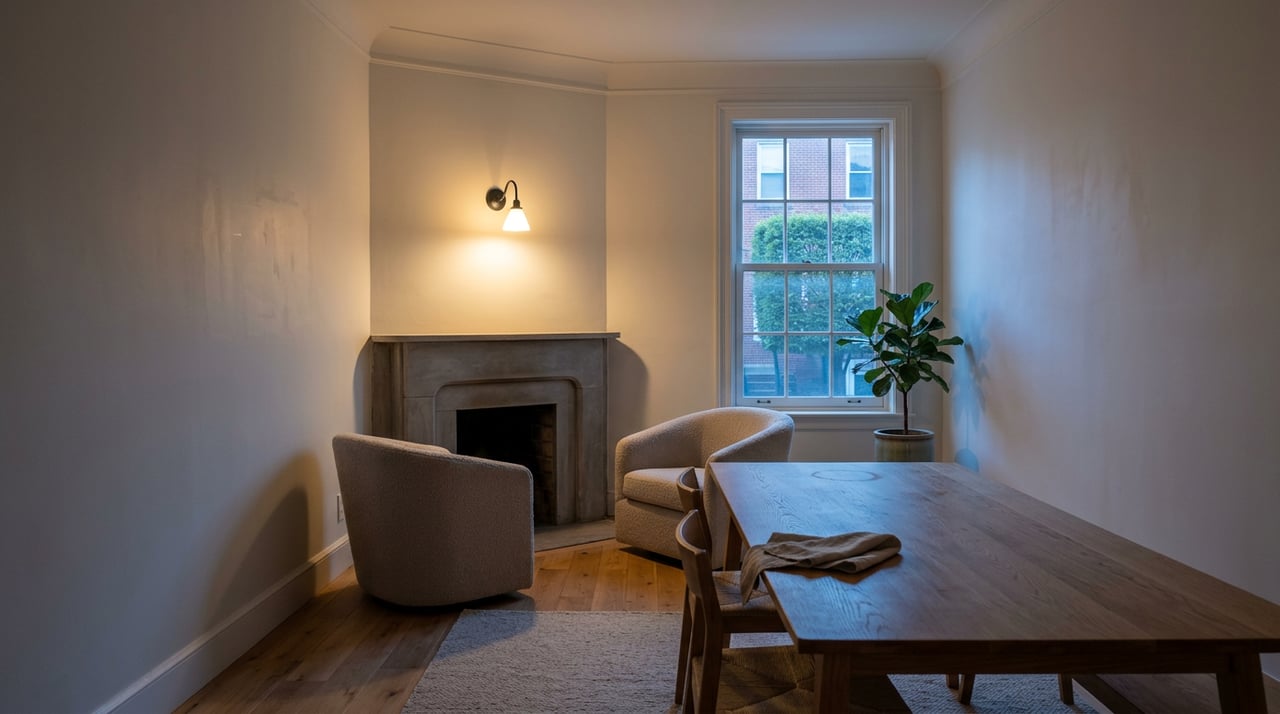
A Beacon Hill home does not need heavy-handed styling to feel special. In fact, over-staging can work against the architecture. The strongest presentation usually lets original materials, scale, and craftsmanship lead the story.
The National Park Service says rehabilitation should retain historic character, preserve distinctive materials and craftsmanship, and avoid conjectural features. Applied to staging, that means creating a calm, edited interior where buyers can notice the things that matter, such as window depth, molding, fireplaces, stair details, and natural light.
How to keep staging authentic
When preparing a historic home for photography and showings, focus on clarity rather than theme. A good rule is to support the architecture, not compete with it.
Consider these staging principles:
- Keep furnishings scaled to the room so architectural details remain visible
- Use a restrained palette that does not fight historic materials
- Limit decorative accessories that create visual noise
- Avoid faux-period pieces that suggest a history the house does not have
- Let updated spaces feel current, but not disconnected from the home’s age and structure
The National Park Service warns against creating a false sense of historical development, and BHAC requires replacement details to be based on evidence. In marketing terms, that means avoiding invented antique hardware, fake historic trim, or overly themed décor designed to imply original features that were never there.
Treat the exterior with equal care
In Beacon Hill, curb appeal is not just about your front stoop. Review is based on what can be seen from a public way, including views from places such as Boston Common, the Public Garden, Storrow Drive, the Charles River Esplanade, and the Longfellow Bridge. That makes exterior discipline especially important when preparing a listing.
It is also worth remembering that an aged façade can be an asset. BHAC discourages aggressive masonry cleaning because harsh methods can damage the brick and alter the district’s look. A home does not need to appear over-polished to feel valuable. In many cases, a well-maintained exterior with the right patina reads as more credible and more refined.
Build buyer trust with documentation
For a Beacon Hill sale, paperwork can be as persuasive as photography. Buyers want confidence that visible improvements were completed thoughtfully and, where relevant, properly reviewed. A well-organized property file can reduce uncertainty and support stronger offers.
BHAC states that applicants should provide photographs, drawings, material samples, paint samples, and other documentation so the commission can make informed decisions. Some applications also require shop drawings. For sellers, that standard offers a useful checklist for what buyers may value later.
What to include in your listing file
If you have completed work on the property, gather the clearest record you can. Helpful materials may include:
- Permit records
- BHAC approvals, where applicable
- Dates of completed work
- Contractor invoices
- Product specifications
- Before-and-after photographs
- Material or finish information tied to the work
A file like this helps show stewardship. It also makes it easier for buyers to understand what was repaired, what was replaced, and how those decisions were made.
Explain renovations in the right language
When a historic home has been improved well, buyers respond to the logic behind the work. The National Park Service offers a useful framework: repairs should come before replacement, compatible materials should be used when replacement is necessary, and additions should preserve the property’s essential form.
That framing helps buyers feel that the home has been cared for rather than merely updated. It also supports a cleaner story in marketing. Instead of presenting a renovation as a cosmetic overhaul, you can present it as thoughtful stewardship with modern function handled carefully.
Why this matters in today’s Beacon Hill market
Market context supports a more disciplined approach. Realtor.com’s April 2026 Beacon Hill snapshot reported 70 homes for sale, a median listing price of $2.39 million, and a median days on market of 31 days. That suggests buyers are active, but not indiscriminate.
In a selective market, character alone is not enough. Buyers often want authenticity, condition, and a path to ownership that feels manageable. A home that shows historic integrity and comes with clear records can stand apart because it answers both the emotional and practical questions buyers bring to a Beacon Hill purchase.
Selling character without losing momentum
The strongest Beacon Hill listings do not try to turn a historic property into a generic luxury product. They do the opposite. They preserve the elements that give the home presence, present them clearly, and document the work in a way that builds confidence.
If you are preparing to sell, the goal is not to make the house feel newer than it is. The goal is to make it feel credible, well cared for, and appropriately positioned for today’s buyer. In a neighborhood where architecture and setting matter this much, careful stewardship is often one of the clearest value drivers you have.
If you are considering selling a Beacon Hill home and want a discreet, highly tailored strategy for presentation, pricing, and buyer outreach, David Mackie offers refined guidance shaped by deep experience in Boston’s luxury market.
FAQs
What does historic district review mean for a Beacon Hill home sale?
- In Beacon Hill, exterior work visible from a public way is subject to Beacon Hill Architectural Commission review before work begins, so sellers should consider how prior work and any pre-listing updates fit those standards.
What should you preserve before listing a Beacon Hill property?
- Focus on repairing original or historically significant materials where possible, especially windows, doors, masonry, rooflines, trim, and ironwork, since BHAC guidelines favor preservation over unnecessary replacement.
How should you stage a historic Beacon Hill home?
- Use restrained, calm staging that highlights original details and avoids faux-historic additions or over-themed décor that could create a misleading impression of the home’s history.
What documents help buyers trust a Beacon Hill renovation?
- A strong file may include permits, BHAC approvals where relevant, work dates, invoices, product specifications, and before-and-after photos to show that improvements were completed thoughtfully.
Is aggressive exterior cleaning a good idea before selling in Beacon Hill?
- Usually not, because BHAC discourages harsh masonry cleaning and the aged exterior appearance is part of the neighborhood’s historic character.