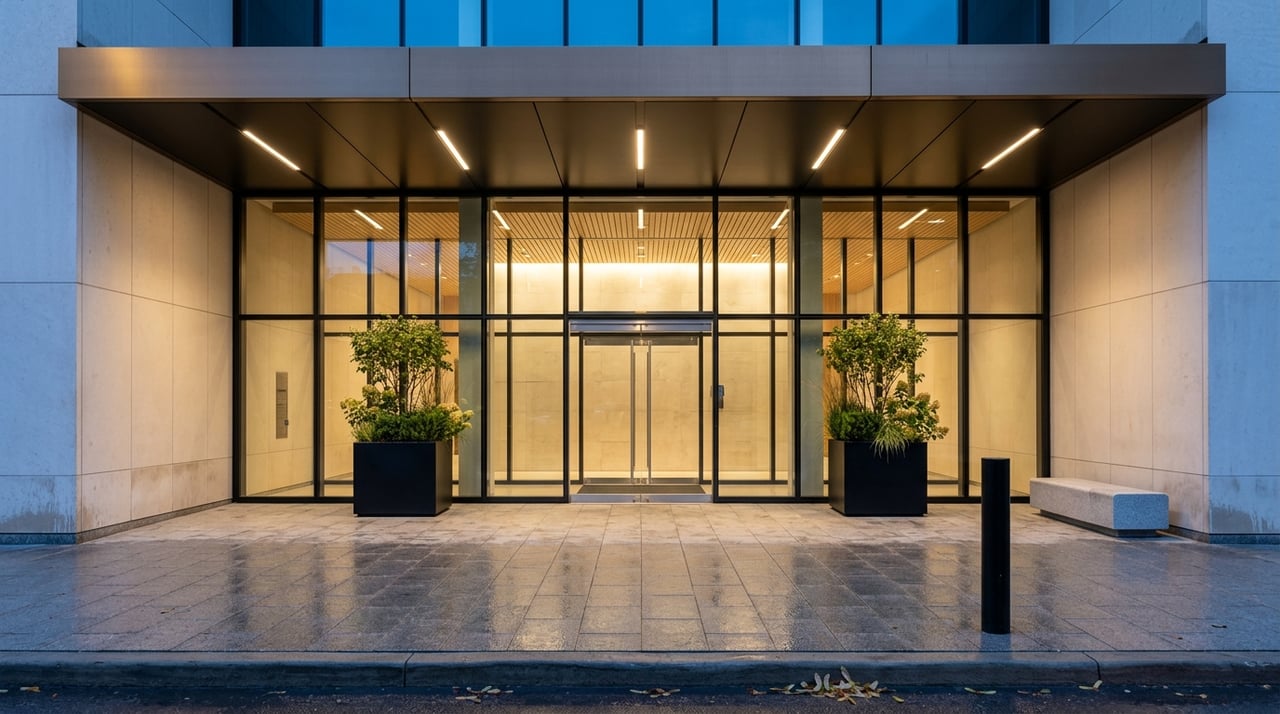
Thinking about buying a Seaport penthouse from abroad? You are not just choosing a high-floor home with water views. In Boston’s Seaport, you are buying into a newer, service-driven condo market with its own rules, timelines, and building-level details that matter. If you want a smoother purchase and fewer surprises, it helps to understand how Seaport works before you begin. Let’s dive in.
Why Seaport Appeals Internationally
Boston describes the South Boston Waterfront as the Seaport, also known as the Innovation District, and the area stands apart from much of the city’s older housing stock. It is a newer mixed-use district shaped by high-rise residences, restaurants, cultural uses, and public green space. That often makes it especially appealing if you want a modern, turnkey home with a more building-managed lifestyle than a traditional Boston brownstone or older condo may offer.
For many international buyers, that distinction matters. In Seaport, penthouse living often means newer construction, streamlined amenities, and a residence designed around convenience. If you split time between cities or prefer a lock-and-leave setup, this market can align well with those priorities.
What Defines a Seaport Penthouse
A Seaport penthouse is rarely just about being on the top floor. In this market, luxury buildings often position penthouses as part of a broader service experience. That can shape everything from privacy to day-to-day ease.
Current Seaport luxury properties illustrate that point clearly. The St. Regis Residences, Boston highlights butler service, 24/7 concierge, valet parking, in-home private dining, and a dedicated amenity floor, while also describing residences with floor-to-ceiling windows, balconies, and on-site parking. Across the district, buildings such as the Benjamin Seaport Residences and Echelon Seaport also emphasize concierge staffing, pools, lounges, wellness spaces, garage parking, and penthouse-oriented features.
Compare Services, Not Just Square Footage
When you evaluate Seaport penthouses, it helps to look beyond finishes and views. Two homes may appear similar on paper, yet the ownership experience can feel very different based on the building’s service model and logistics.
As you compare options, pay close attention to:
- Elevator privacy and direct-access arrangements
- Guest arrival and front-desk handling
- Package receiving and storage procedures
- Parking convenience and valet availability
- Terrace exposure and weather considerations
- Storage allocation
- Pet policies
- Support for a part-time or lock-and-leave lifestyle
These details are practical, not cosmetic. For an international buyer, they can affect security, convenience, and how easily you can enjoy the property when you are in Boston.
Waterfront Risk Deserves Attention
Seaport’s waterfront setting is part of its appeal, but it also requires thoughtful due diligence. According to Boston’s Climate Ready Boston materials, the South Boston Waterfront is among the city areas with the greatest exposure to coastal flooding and sea-level-rise impacts.
For a penthouse buyer, the upper floor itself is usually not the key issue. The more important questions involve the building as a whole. You will want to understand where the lobby, parking, and mechanical systems are located, and how the condominium association has planned for resilience, maintenance, and long-term building operations.
Start With Representation Early
If you are buying from overseas, clear representation should come first. Massachusetts requires written agency disclosure at the first personal meeting about a specific property, and the state explains that a buyer may engage a broker as a buyer’s agent. The same Massachusetts consumer fact sheet on real estate brokers and salespersons also notes that dual agency requires informed written consent.
That matters even more in a discreet luxury search. If your goal is privacy, consistent communication, and access to select opportunities, your representation structure should be defined before you begin requesting tours or documents. In a market where some desirable inventory may be handled quietly, that early clarity can make the process more efficient.
International Buyers Can Own in Massachusetts
The baseline legal framework in Massachusetts is favorable for overseas purchasers. A current ACC and Lex Mundi guide states that Massachusetts does not impose stand-alone restrictions on foreign investment and that non-U.S. citizens may take, acquire, hold, and dispose of Massachusetts real property in the same manner as citizens.
That said, cross-border purchases still benefit from good planning. Federal law, funding logistics, entity structure, and future tax considerations may all require legal and tax advice. You should also expect to bring legal identification to closing, such as a passport or driver’s license.
Massachusetts Closings Are Attorney-Led
One of the biggest differences for many international buyers is the closing structure. In Massachusetts, attorneys play a central role in the purchase process. The state’s homebuying guidance explains that the purchase and sale agreement is a legal document prepared and agreed to by the attorneys representing buyer and seller, and closing documents are signed when all parties agree to meet.
This is not a market where you should expect a rushed closing in a matter of days. Attorney review, title work, condo document review, and lender timelines can all influence the schedule. For a Seaport penthouse, the better assumption is that the process will be structured, document-heavy, and variable.
Expect a 30- to 60-Day Timeline
Luxury condo purchases in Massachusetts usually take weeks, not days. Old Republic Title notes that the escrow process can take several weeks, often 30 to 45 days or more. The research also supports a broader expectation of about 30 to 60 days from contract to close, with title issues, inspections, and lender delays capable of extending the timeline.
If you are coordinating travel, banking, or a move across borders, build in flexibility. Seaport penthouse transactions tend to reward patience and preparation more than speed alone.
Condo Diligence Is Essential
Because most Seaport penthouses are condominium units, building-level review is a major part of the purchase. Massachusetts states that the Commonwealth has no regulatory oversight over condominiums and directs questions about condo law, owner rights, and association documents to an attorney with real estate experience.
In practice, that means your review should include the governing documents, budget, rules, and any information available about building operations and reserves. In a high-service building, understanding how the association functions is just as important as understanding the finishes inside your unit.
Title Insurance and Document Review
Title insurance is another item worth discussing early, especially if you are buying from outside the United States. Massachusetts explains that title insurance protects against certain defects in ownership records and recommends consulting an attorney.
For international buyers, this can provide an added layer of clarity in a transaction that already involves multiple parties and jurisdictions. It is not a substitute for legal review, but it is an important part of protecting your ownership position.
Know the Home Inspection Rule Change
Massachusetts has an important inspection-related rule for future transactions. Under the state’s residential home-inspection waiver regulation, which applies to condo units, for sales after October 15, 2025, sellers or their agents cannot condition acceptance on a buyer waiving inspection, nor accept an offer if the buyer has said they intend to waive it.
If you plan to buy after that date, this rule should shape how you discuss offer strategy. It is a useful example of why current local guidance matters, especially if you are less familiar with Massachusetts practice.
Think About Your Eventual Exit
A well-bought penthouse should also be considered in terms of future resale. If you are a non-resident and later sell Massachusetts real estate with a gross sales price of $1,000,000 or more, the state now has a withholding requirement for certain non-resident sales. The seller must complete a Transferor’s Certification at or before closing.
This is not a barrier to ownership. It is simply part of smart planning. If you understand your future exit obligations at the purchase stage, you can make better long-term decisions.
A Practical Seaport Penthouse Checklist
Before you move forward on a Seaport penthouse, make sure you have a framework that covers both the residence and the building.
Use this checklist as a starting point:
- Confirm your buyer representation structure early
- Engage a Massachusetts real estate attorney
- Review the condominium documents carefully
- Ask detailed questions about concierge, valet, and building operations
- Evaluate privacy, elevator access, parking, and storage
- Understand flood resilience and building preparedness
- Plan for a realistic closing timeline
- Discuss title insurance with your attorney
- Prepare identification and cross-border funds logistics
- Consider your future resale and non-resident tax planning
Buying a Seaport penthouse from abroad can be a highly rewarding move when the process is handled with care. The market offers modern design, strong service packages, and a distinct waterfront setting, but success usually comes from disciplined diligence, local guidance, and discreet execution.
If you are considering a Seaport penthouse and want a private, well-managed search, David Mackie offers discreet buyer representation, curated access to luxury opportunities, and experienced guidance across Boston’s premier condo markets.
FAQs
What makes Seaport penthouses different from older Boston luxury homes?
- Seaport penthouses are often in newer high-rise buildings with concierge service, valet parking, amenity floors, and more building-managed living than much of Boston’s older housing stock.
Can international buyers purchase Seaport penthouses in Massachusetts?
- Yes. The research provided states that Massachusetts does not impose stand-alone restrictions on foreign investment, and non-U.S. citizens may acquire and hold Massachusetts real property in the same manner as citizens.
How long does a Seaport penthouse closing usually take?
- A Massachusetts luxury condo closing often takes several weeks, with many transactions falling in roughly the 30- to 60-day range depending on title, inspection, financing, and document review.
Why do Seaport buyers need a Massachusetts attorney?
- Massachusetts is an attorney-led closing state, and attorneys play a central role in preparing and reviewing legal documents, clearing title, handling funds, and conducting the closing.
What building issues should international buyers review in Seaport?
- Beyond the unit itself, you should review the condo documents, service levels, parking, storage, privacy features, pet rules, and the building’s approach to flood resilience and maintenance.
Do waterfront flood risks matter for Seaport penthouse buyers?
- Yes. While the penthouse level is not usually the direct issue, Boston identifies the South Boston Waterfront as a high-exposure area for coastal flooding and sea-level rise, so building-wide resilience deserves careful review.