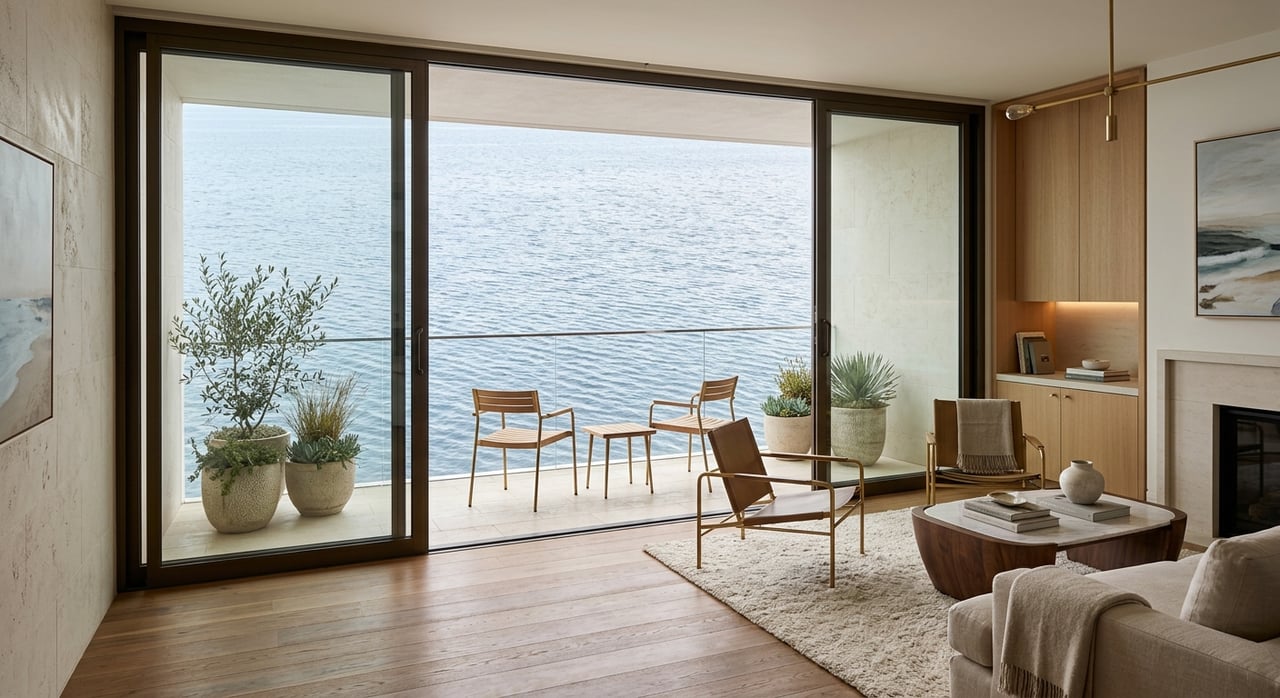
If you are drawn to the idea of waking up near the harbor, stepping outside to a waterfront path, and reaching much of downtown Boston on foot, the Waterfront offers a lifestyle that feels distinctly urban and distinctly coastal at the same time. For many buyers, that mix is the appeal: direct access to the city’s core, constant proximity to the water, and a daily rhythm shaped by walkability, culture, and changing harbor views. If you are considering a move here, it helps to understand both the advantages and the practical tradeoffs. Let’s dive in.
Waterfront Setting and Feel
Boston’s Waterfront is best understood as part of a larger harbor-edge district connected to Downtown and the Wharf District, rather than a quiet standalone neighborhood. According to the City of Boston’s Wharf District overview, the area includes places such as Long Wharf, Central Wharf, India Wharf, Rowes Wharf, and portions of the Greenway, with a growing residential population helping shape its identity.
That matters if you are picturing daily life here. The Waterfront feels integrated into the city, not removed from it. You are living in a compact urban setting where residences, businesses, public spaces, and the harbor all exist within close reach.
The setting is defined by the water, but also by movement and connection. The Downtown Boston neighborhood page notes that housing, businesses, and 5.5 miles of waterfront sit within easy walking distance, which helps explain why the area appeals to buyers who want both convenience and a strong sense of place.
Harborwalk Shapes Daily Life
The single biggest feature of waterfront living is the Harborwalk. Boston Harbor Now describes the Harborwalk as a near-continuous 43-mile linear park along the shoreline that connects waterfront neighborhoods, parks, museums, beaches, and restaurants.
In practical terms, this gives you more than a pretty path. It creates a daily outlet for walking, meeting friends, getting fresh air, or simply moving through the city with the harbor always nearby. It also links the Waterfront to destinations like the Rose Kennedy Greenway and the Freedom Trail, so the experience of living here extends beyond your immediate block.
The Harborwalk is also intentionally pedestrian-focused. Boston Harbor Now notes that it is non-motorized except for wheelchairs, with cycling allowed only on certain stretches. That helps preserve the strolling, waterside character that many residents value most.
Walkability Is a Real Advantage
One of the strongest reasons people choose Boston’s Waterfront is how easy it is to get around without relying heavily on a car. The area places you close to downtown offices, restaurants, public spaces, and cultural institutions.
The New England Aquarium notes that its Central Wharf location is a short walk from Faneuil Hall, Quincy Market, the North End, Government Center, and the Financial District, with the Blue Line’s Aquarium stop just 100 yards away. That gives you a good picture of what everyday movement can look like from this part of the city.
For buyers seeking a primary residence, that walkability can simplify the workweek and make the neighborhood feel highly efficient. For those considering a pied-à-terre or second home, it means you can arrive, settle in, and enjoy the city with very little friction.
Water Transit Is Part of the Lifestyle
In many cities, waterfront transportation is more novelty than utility. In Boston, it is part of the district’s identity. Boston Harbor Now explains that the harbor supports year-round ferries and water taxis, with Boston Water Taxi serving more than 20 Inner Harbor locations.
That adds another layer to daily living here. Depending on where you are headed, the harbor itself can become part of how you move through the city and surrounding areas. It also reinforces the feeling that the Waterfront is not just near the water, but actively connected to it.
For some buyers, that feature has practical value. For others, it simply makes the neighborhood more memorable and enjoyable to live in year-round.
Culture and Dining Are Close at Hand
Living on the Waterfront means you are rarely far from something to do. The district offers quick access to restaurants, public spaces, and cultural destinations, which helps create a day-to-night rhythm that feels lively without requiring much planning.
According to Boston Harbor Now’s Harborwalk overview, Harborwalk users can access more than forty parks, a dozen museums, seven beaches, and hundreds of restaurants and stores. That broad range of destinations is one reason the area appeals to buyers who value convenience and a full urban lifestyle.
Anchor institutions also shape the neighborhood’s identity. The New England Aquarium’s Central Wharf page places it directly on Boston Harbor as part of the downtown waterfront, while the Institute of Contemporary Art is also located on the harbor and accessible by public transportation, car, bike, or water taxi.
For residents, this means culture is not an occasional outing. It is woven into the neighborhood experience, whether you are meeting friends nearby, walking to an exhibit, or spending part of the weekend along the water.
The Waterfront Changes With the Seasons
Boston’s Waterfront is not a one-season neighborhood. It shifts noticeably throughout the year, and many residents see that as part of its charm.
During warmer months, the harbor becomes especially active. Boston Harbor Now’s seasonal programming includes ferry-accessible island visits, concerts, community events, markets, clambakes, and harbor-side food and drink. That gives the district an energy that feels both local and destination-driven.
Winter brings a different atmosphere rather than a shutdown. The same waterfront programming includes New Year’s Eve events such as an ice sculpture stroll and free fireworks viewing from Harborwalk locations including Fan Pier and Christopher Columbus Park. If you enjoy a city that remains active in colder months, that is an important part of the appeal.
Residential Experience and Housing Mix
The Waterfront reads less like a secluded residential pocket and more like a compact urban district with a range of housing types nearby. The Downtown Boston page describes residential options in the surrounding core as ranging from historic apartment buildings to modern glass towers.
For buyers, that mix can be appealing because it offers different ways to experience the neighborhood. Some homes emphasize harbor views and contemporary finishes. Others are defined more by location, access, and convenience within the downtown core.
This is especially relevant for luxury buyers evaluating fit. The right residence here is often about more than square footage alone. Building quality, services, outlook, access to the Harborwalk, and the broader feel of the immediate surroundings all shape the ownership experience.
Important Waterfront Tradeoffs
As attractive as the lifestyle can be, waterfront living in Boston also requires a practical lens. The neighborhood is one of the city’s most exposed coastal environments, and that reality should be part of any serious home search.
The City of Boston’s resilient harbor planning states that the waterfront is being prepared for sea-level rise, flooding, extreme heat, winter storms, nor’easters, and king tides. The city’s broader vision includes resilient waterfront parks, stronger connections to the Greenway, and enhanced water transportation at Long Wharf.
For you as a buyer, this means the conversation should extend beyond views and finishes. It is worth evaluating the building itself, its elevation, and how resilience planning affects the immediate area. On the Waterfront, quality of location includes both lifestyle and long-term practical considerations.
Who the Waterfront Fits Best
The Waterfront tends to appeal to buyers who want direct access to downtown Boston with the added dimension of harbor living. If you value walkability, nearby dining and culture, and an active public realm, the area offers a compelling combination.
It can work especially well for those looking for a low-maintenance city residence, a second home, or a primary condo that keeps them close to the center of Boston. At the same time, it is best approached with clear expectations. This is not a quiet, insulated enclave. It is an active, visible, highly connected part of the city.
That is often exactly the point. For the right buyer, Boston’s Waterfront offers a rare mix of city access, water views, public space, and cultural proximity that is difficult to replicate elsewhere in the urban core.
If you are considering a purchase or sale on Boston’s Waterfront, working with an advisor who understands the differences between micro-locations, building profiles, and buyer priorities can make the process far more precise. For discreet guidance and access to tailored opportunities in Boston’s premier neighborhoods, connect with David Mackie.
FAQs
What is daily life like on Boston’s Waterfront?
- Daily life is defined by walkability, quick access to downtown destinations, and regular use of the Harborwalk, with ferries and water taxis adding to the neighborhood’s harbor-connected feel.
Is Boston’s Waterfront easy to navigate without a car?
- Yes. The area is highly walkable, and the Aquarium Blue Line stop, nearby downtown destinations, ferries, and water taxis make it practical to get around without driving for many trips.
What amenities are near Boston’s Waterfront residences?
- Nearby amenities include restaurants, parks, museums, public waterfront spaces, and cultural destinations such as the New England Aquarium, along with easy connections to the Greenway and other downtown areas.
What should buyers consider before living on Boston’s Waterfront?
- Buyers should look at lifestyle fit, building quality, elevation, and the area’s exposure to coastal conditions such as flooding, storms, and sea-level rise, alongside the neighborhood’s long-term resilience planning.
Is Boston’s Waterfront more urban or residential in feel?
- It generally feels more like a compact urban district than a quiet residential enclave, with housing integrated into a broader downtown environment tied closely to the Wharf District and harbor edge.