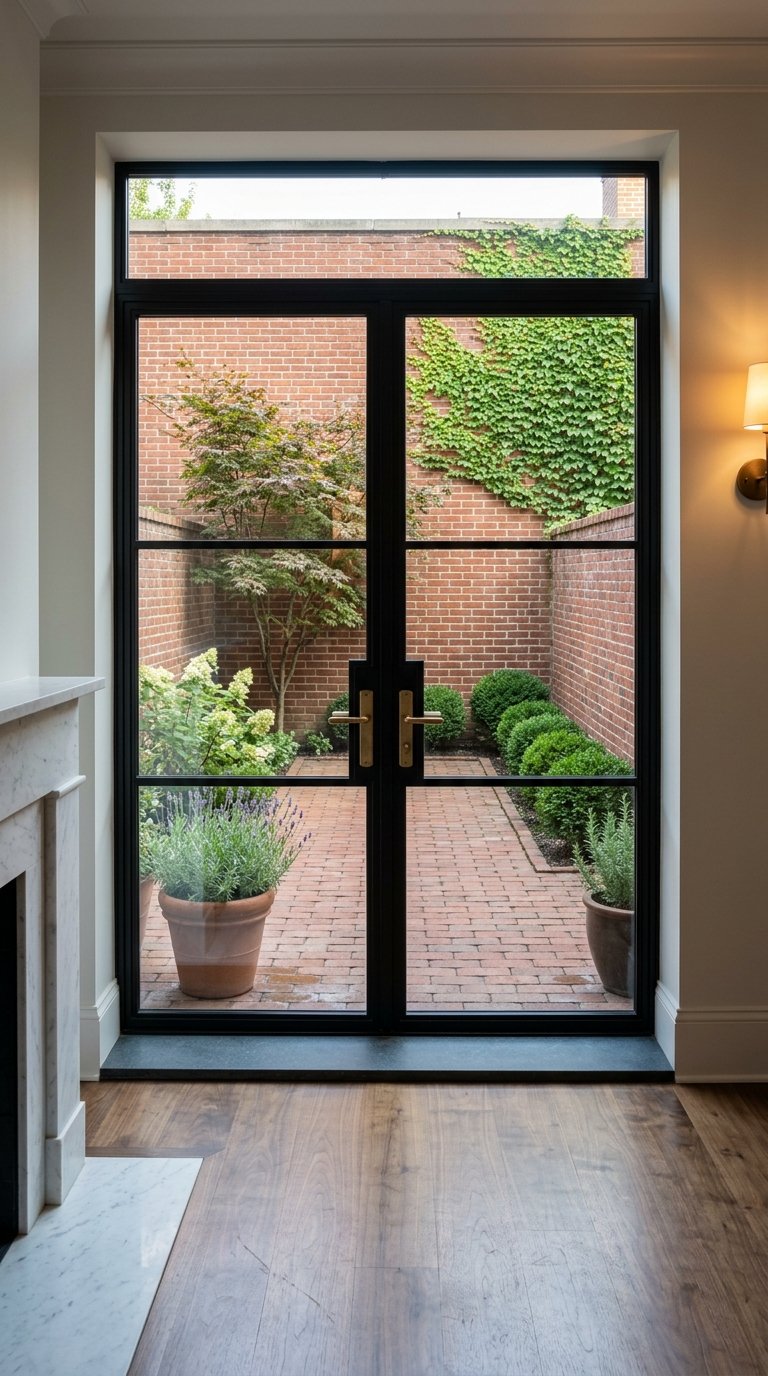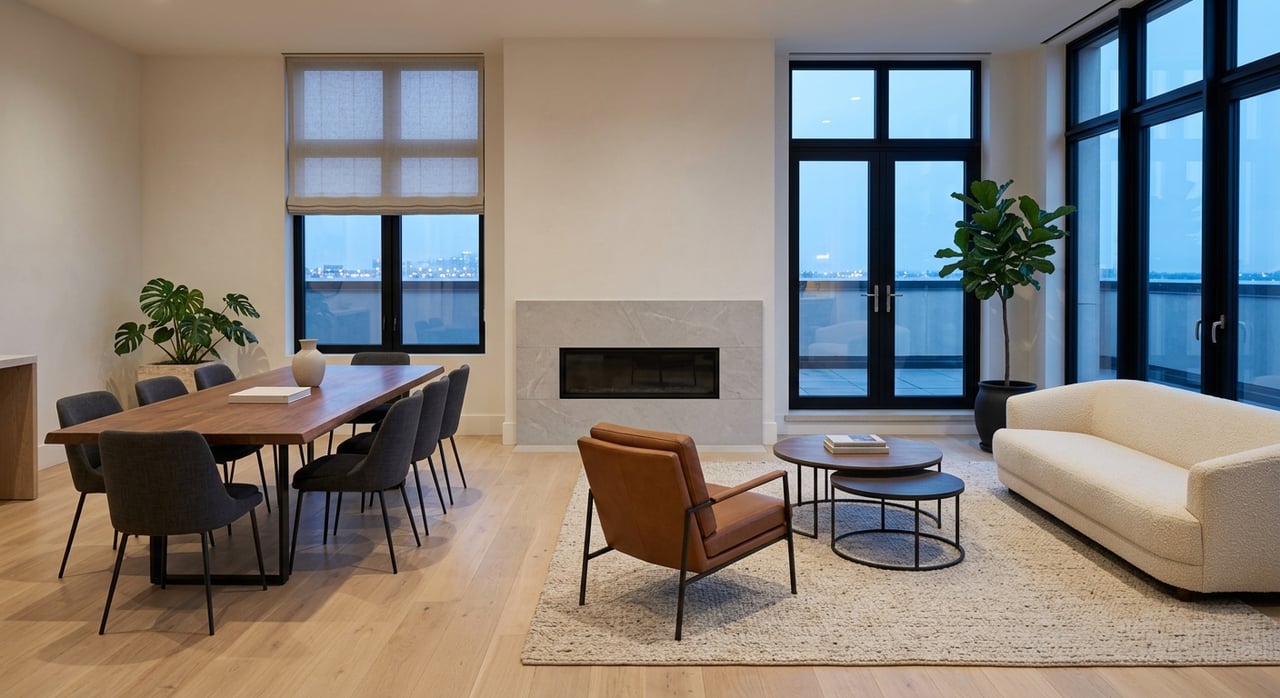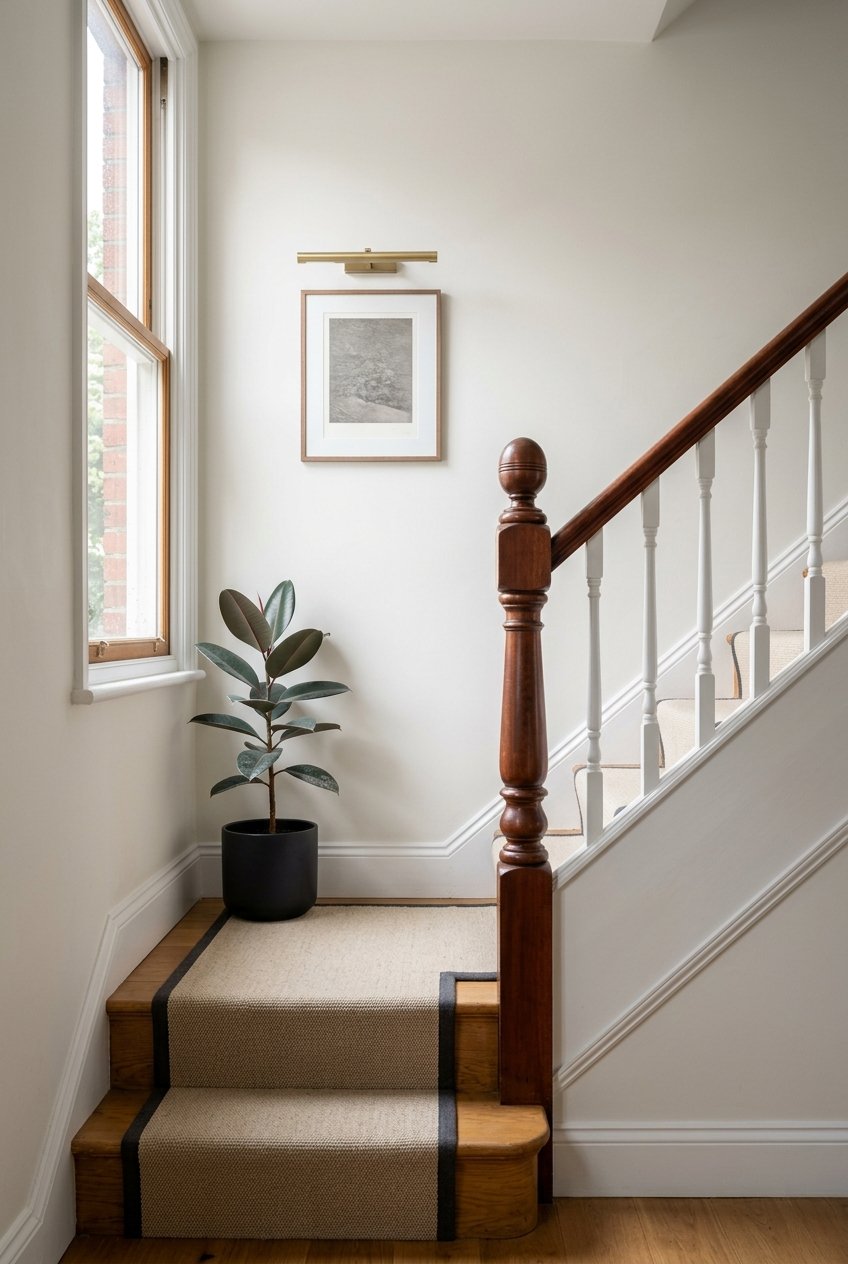
Selling a South End brownstone is rarely about doing more. It is usually about doing the right things, in the right order, with respect for the building itself. If you are preparing to list, you need a plan that protects historic character, avoids preventable delays, and presents the home with clarity in a competitive market. Let’s dive in.
Start With South End Context
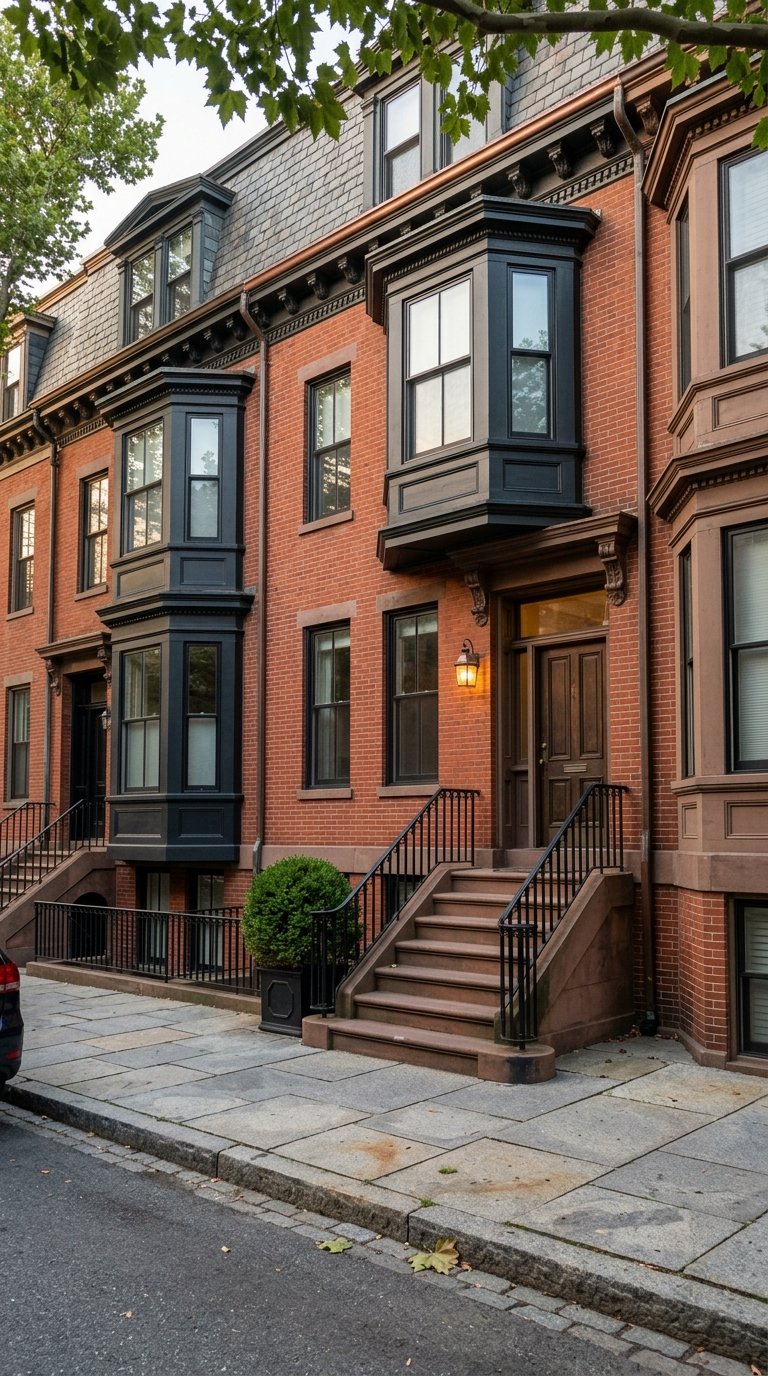
A South End brownstone is not just another Boston property. The neighborhood is an official Boston landmark district known for its Victorian brownstone buildings, and the district standards are designed to preserve the visual harmony of its 19th-century rowhouse blocks.
That context matters when you prepare for sale. In a setting defined by historic architecture, buyers tend to respond best to homes that feel well kept, authentic, and thoughtfully presented rather than overly altered. It also matters because some exterior work requires review and approval before anything begins.
Market conditions reinforce that point. Redfin reported a South End median sale price of about $1.37 million in March 2026, with homes selling in a competitive environment and a median of 48 days on market. In that kind of market, careless presentation can cost time and leverage.
Prioritize Repair Over Reinvention
For most South End brownstones, the safest pre-listing strategy is repair-first. Boston’s South End standards state that deteriorated architectural elements should generally be repaired with new material that duplicates the old as closely as possible.
That is a practical guide for sellers. Instead of rushing into visible design changes, focus first on maintenance, restoration, and refinement. The goal is to make the home feel well cared for while preserving the details that give a brownstone its value and identity.
Before you schedule cosmetic upgrades, take inventory of what already works in your favor. Original trim, masonry, doors, windows, stair details, and period millwork often do more for buyer perception than trend-driven updates.
Know What May Need Approval
Exterior changes in the South End landmark district can require approval, with review focused on front facades, visible rooftops, and side or rear elevations that face a public way. Boston states that applications are accepted on a rolling basis and must be complete 15 business days before a hearing.
Just as important, the city says work should not begin and materials should not be purchased until approval is confirmed. If you are listing on a specific timeline, this can affect your sequencing.
That means your pre-sale checklist should start with a simple question: are you restoring what exists, or are you proposing an exterior change? If the work touches visible exterior elements, confirm the approval path before making commitments.
Focus on High-Impact Exterior Details
Curb appeal matters in any market, but in the South End, it should be approached with restraint. The district standards are especially clear that original architectural fabric should be retained and repaired rather than replaced with generic substitutes.
Preserve the entry sequence
Boston’s standards call for retaining and repairing entryways, decorative hoods, surrounds, moldings, original doors, transoms, and sidelights. For a seller, that means the front entry should read as intentional and well maintained.
If the door hardware is tired, the paint is worn, or trim has visible deterioration, those issues deserve attention. A strong entry sets expectations before a buyer steps inside.
Repair windows carefully
Original or historically correct wood windows should be repaired rather than replaced whenever possible. When replacement is approved, new windows must closely match original dimensions and profile, and vinyl windows are not allowed.
For listing prep, this usually points to tune-ups over wholesale replacement. Smooth operation, intact glazing, clean paint lines, and a consistent exterior appearance all support a stronger presentation.
Treat masonry with care
Historically appropriate masonry, including brownstone, should be retained and repaired. Boston’s standards state that sandblasting is not approved, and covering masonry in another material is not approved.
This is one of the clearest examples of why a preservation-first mindset matters. If the facade needs work, the answer is careful repair, not aggressive cleaning or concealment.
Reduce visual clutter
Mechanical equipment, vents, antennas, and service wiring should be kept out of public view or off street-facing facades whenever possible. Even when buyers are focused on interior living space, visible exterior clutter can distract from the architecture.
A walk-through from the sidewalk is useful here. What stands out first: the building’s proportions and detail, or a collection of visible service elements? The answer tells you where to tighten presentation.
Stage to Reveal the Architecture
Staging is not just decoration. In the residential market, the National Association of Realtors reported in its 2023 staging survey that 89 percent of sellers’ agents said photos were much or more important to clients, 44 percent said traditional physical staging was much or more important, and 44 percent said videos were much or more important.
The same survey found that 20 percent of sellers’ agents reported staging increased the value offered by 1 to 5 percent, while 27 percent reported a slight decrease in time on market. Those findings are especially relevant for a South End brownstone, where layout, scale, and architectural detail shape buyer response.
Keep sightlines open
A brownstone often lives through its vertical flow, tall windows, fireplaces, trim, and masonry details. Your staging should make those features easy to read.
That usually means pulling back, not adding more. Keep pathways open, avoid crowding the base of staircases, and let major architectural elements remain visible from the room entry.
Scale furniture to the rooms
Rowhouse rooms can feel elegant and intimate at the same time. Oversized pieces can make them feel compressed, while too many small pieces can make them read as narrow and busy.
Choose furnishings that fit the width and proportions of each room. Buyers should be able to understand how the space functions without having to mentally edit the contents.
Edit aggressively
One of the fastest ways to diminish a brownstone is to overfill it. Limit accessories, remove unnecessary side tables or accent chairs, and simplify built-ins and mantels.
A cleaner composition helps buyers notice ceiling height, window scale, fireplaces, and original trim. In a historic home, those are often the details doing the heaviest work.
Prepare Photography With Intention
Professional visuals carry real weight, and a brownstone benefits from photography that documents both beauty and condition. Boston’s historic-district photo guidance, while written for landmarks applications, offers a useful pre-listing benchmark.
The city recommends color photography, multiple angles, and clear documentation. It also notes that poor or missing photos can slow review in other contexts, which underscores a broader lesson for sellers: better documentation leads to better decisions.
Capture the full story
Photograph whole rooms before detail shots. On the exterior, show the full facade before close-ups of windows, masonry, entry details, or ironwork.
This approach helps future buyers understand proportion and context. It also creates a useful record if you need to compare existing conditions with prior work.
Choose timing carefully
Boston’s photo guide suggests midday shooting and notes that spring or autumn conditions can reduce shadow and foliage issues. For listing photography, that translates into cleaner lines, more consistent light, and better visibility of facade details.
Timing also matters indoors. A bright but balanced look usually serves a brownstone better than dramatic shadow, especially when your goal is to show depth and architectural clarity.
Build a Clean Documentation Packet
In a historic neighborhood, records matter. Boston notes that design-review decisions are issued by letter, approved work can be used to obtain the building permit, and approval placards must be displayed on site.
The city also notes that the South End guidelines are not retroactive. For sellers, that means it is helpful to separate older alterations from later approved work when organizing property history.
Include the right records
A strong pre-list packet may include:
- Prior approvals and decision letters
- Building permits
- Contractor invoices
- Before-and-after photos
- Planning documents that explain what changed and when
This kind of file gives buyers more confidence and helps your listing agent answer questions quickly and accurately. It can also reduce friction once due diligence begins.
Address Lead Paint Readiness Early
Because South End brownstones are often older homes, lead paint readiness is an important part of seller preparation. Federal law requires sellers and real estate agents to disclose known lead-based paint information before the sale of most pre-1978 housing.
Massachusetts also requires property-transfer lead paint notification when a prospective buyer is about to purchase a home built before 1978. If any pre-list paint or trim work will disturb older coatings, lead-safe practices may be required in many pre-1978 projects when performed by certified firms.
This is another reason to plan improvements carefully. If your prep list includes sanding, scraping, or repainting older surfaces, confirm the scope and compliance path before work begins.
A Smart South End Prep Sequence
If you want to prepare your brownstone without creating avoidable risk, a measured sequence works best.
- Review the property’s current condition and identify repair needs.
- Flag any exterior items that may require landmark review.
- Confirm approvals before starting work or buying materials.
- Complete repair-first improvements that preserve original character.
- Organize permits, approvals, invoices, and photo records.
- Stage to highlight scale, light, and architectural detail.
- Photograph the home with full-room and full-facade context.
- Launch with a presentation that feels polished, accurate, and complete.
In the South End, thoughtful preparation is part of the marketing itself. Buyers are not only evaluating square footage and finish level. They are also reading the quality of stewardship.
If you are considering a sale, a careful plan can protect both timing and value. For discreet guidance on preparing and positioning a South End brownstone, connect with David Mackie.
FAQs
What improvements are usually safest before listing a South End brownstone?
- Repair-first improvements are generally the safest, especially work that restores existing architectural features rather than changing them.
What exterior work on a South End brownstone may need approval?
- Exterior alterations within the South End landmark district may need approval, especially work affecting front facades, visible rooftops, and side or rear elevations facing a public way.
Should you replace original windows before selling a South End brownstone?
- Usually, repair is the better first step because Boston’s standards say original or historically correct wood windows should be repaired rather than replaced whenever possible.
How should you stage a South End brownstone for sale?
- Stage it to reveal the architecture by keeping sightlines open, scaling furniture to the rooms, and avoiding layouts that make the house feel narrower or more crowded.
What documents should sellers gather before listing a South End brownstone?
- Useful records include prior approvals, permits, contractor invoices, before-and-after photos, and planning documents that explain what was changed and when.
What lead paint disclosures apply when selling an older South End home?
- Sellers of most pre-1978 homes must disclose known lead-based paint information, and Massachusetts also requires property-transfer lead paint notification for homes built before 1978.