If you own a residence on Commonwealth Avenue, timing your sale is not a small detail. It can shape how buyers first experience your home, how quickly they engage, and how much momentum your listing builds. In Back Bay, where architecture, light, and streetscape matter as much as square footage, the calendar deserves the same care as pricing and presentation. Let’s dive in.
Best Time to List on Commonwealth Avenue
For most Commonwealth Avenue residences, the strongest listing window is late March through mid-May, with April and May often offering the best balance of buyer activity and showing conditions. If you miss spring, the next strongest option is early September through mid-October.
That recommendation reflects a mix of local condo market seasonality, Boston weather patterns, and the visual appeal that defines this stretch of Back Bay. January, February, and the late-summer lull can still work in specific cases, but they are usually less forgiving if your home is not fully prepared.
Why Timing Matters More Here
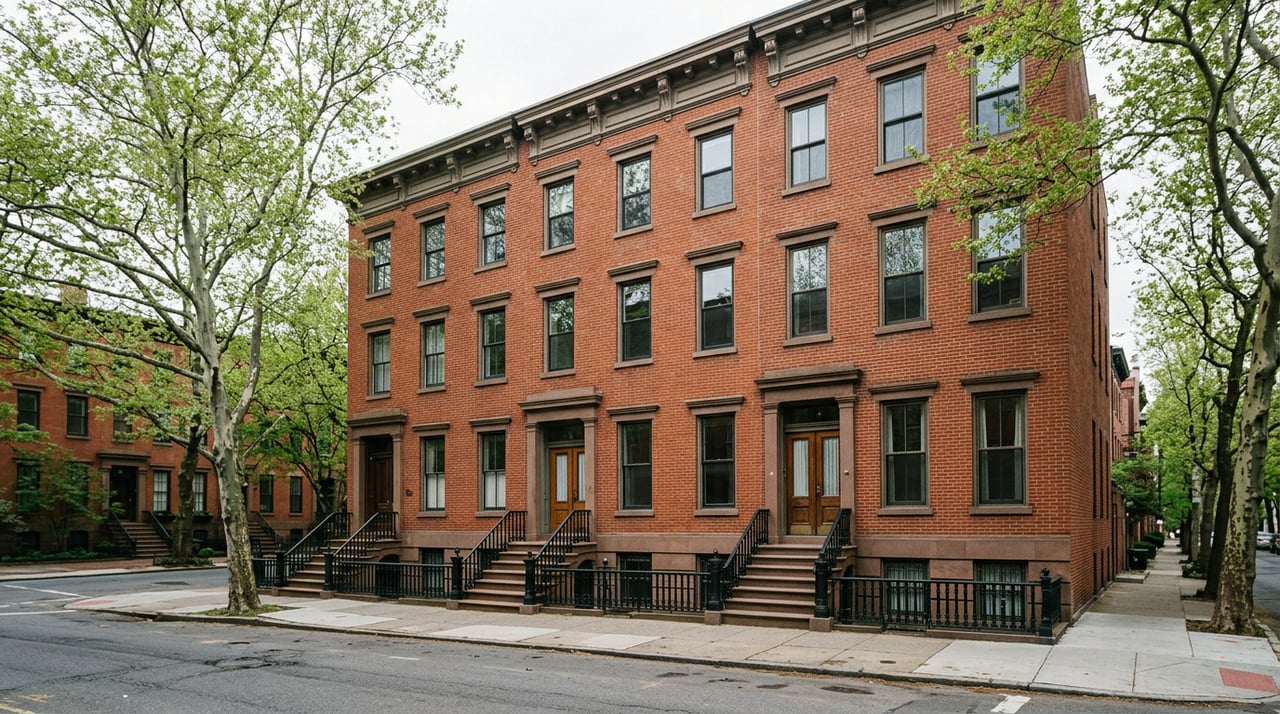
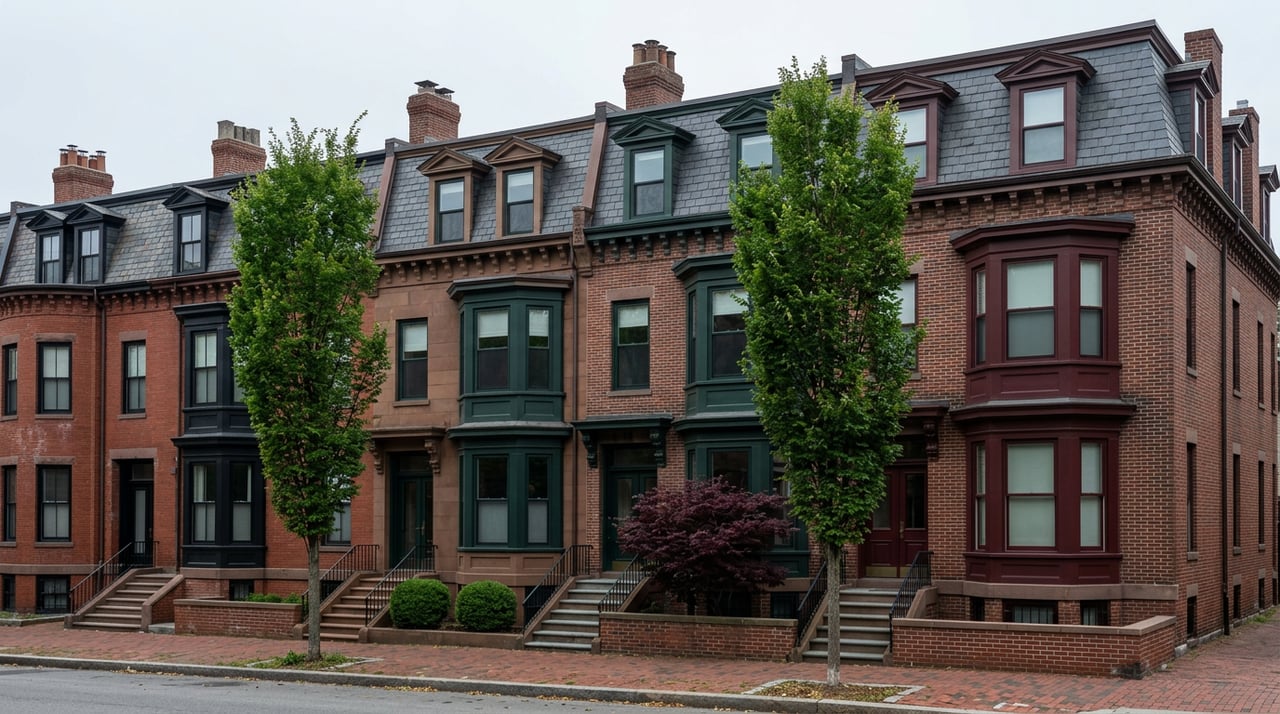
Commonwealth Avenue is not a generic condo corridor. It sits within one of Boston’s most recognizable historic settings, and buyers respond to the full experience of the block as much as they do to the residence itself.
The Back Bay Architectural District was established in 1966, and exterior changes in the district require review and approval before work begins. Commonwealth Avenue Mall serves as the central spine of Back Bay, and the surrounding streets remain among the best-preserved examples of late-19th-century urban landscape architecture in the country. In practical terms, that means curb appeal, tree canopy, and first impressions carry unusual weight here.
Spring Brings Stronger Market Energy
Greater Boston condo data points to a clear spring ramp-up. In April 2025, new condominium listings rose 29% year over year, and active condo inventory increased 27.5% from March. In May 2025, new condo listings were still up 8.5% year over year, while inventory rose another 7.4% from April.
That pattern matters because buyers tend to re-enter the market in larger numbers during spring. More activity does create more competition, but it also creates more eyes on well-prepared listings, which is often the more important advantage for a standout Commonwealth Avenue residence.
By contrast, the late-summer market tends to lose momentum. GBAR’s August 2025 report noted that the end of summer traditionally marks the end of the busy season, with condo new listings down 36.3% from July and days on market rising to 32.
Why April and May Often Win
Weather plays a major role in how a home shows in Back Bay. According to Boston Logan climate normals, average highs rise from 45.5°F in March to 56.4°F in April and 66.5°F in May. At the same time, average snowfall falls from 9.0 inches in March to 1.6 inches in April and reaches 0.0 inches in May.
Those shifts are more than seasonal trivia. Better temperatures, cleaner sidewalks, more natural light, and fuller streetscape visuals can materially improve listing photography, open house traffic, and private showing experiences. A Commonwealth Avenue brownstone or floor-through often benefits when the block itself feels more open, elegant, and inviting.
Winter Can Work, But Only With Precision
January and February are usually less favorable launch periods for most sellers on Commonwealth Avenue. Boston’s average highs are 36.8°F in January and 39.0°F in February, and average snowfall sits at 14.3 and 14.4 inches, respectively.
That weather can complicate photography, showing access, and buyer turnout. Winter listings may still succeed if the property is vacant, fully staged, and priced with discipline, but the margin for error is smaller. If your residence depends on natural light, exterior charm, or street-level ambiance, waiting for a stronger visual season is often the better strategy.
Early Fall Is the Best Backup Plan
If spring is not realistic, early fall is usually your next-best opportunity. September remains comfortable, with an average high of 73.1°F and no snowfall, while October cools to 62.1°F.
That makes early September through mid-October a practical fallback window. You can still benefit from pleasant weather and attractive street conditions while getting ahead of the late-year slowdown. For sellers who need extra time to prepare, this window often provides a smart second chance.
Property Type Affects the Timing Decision
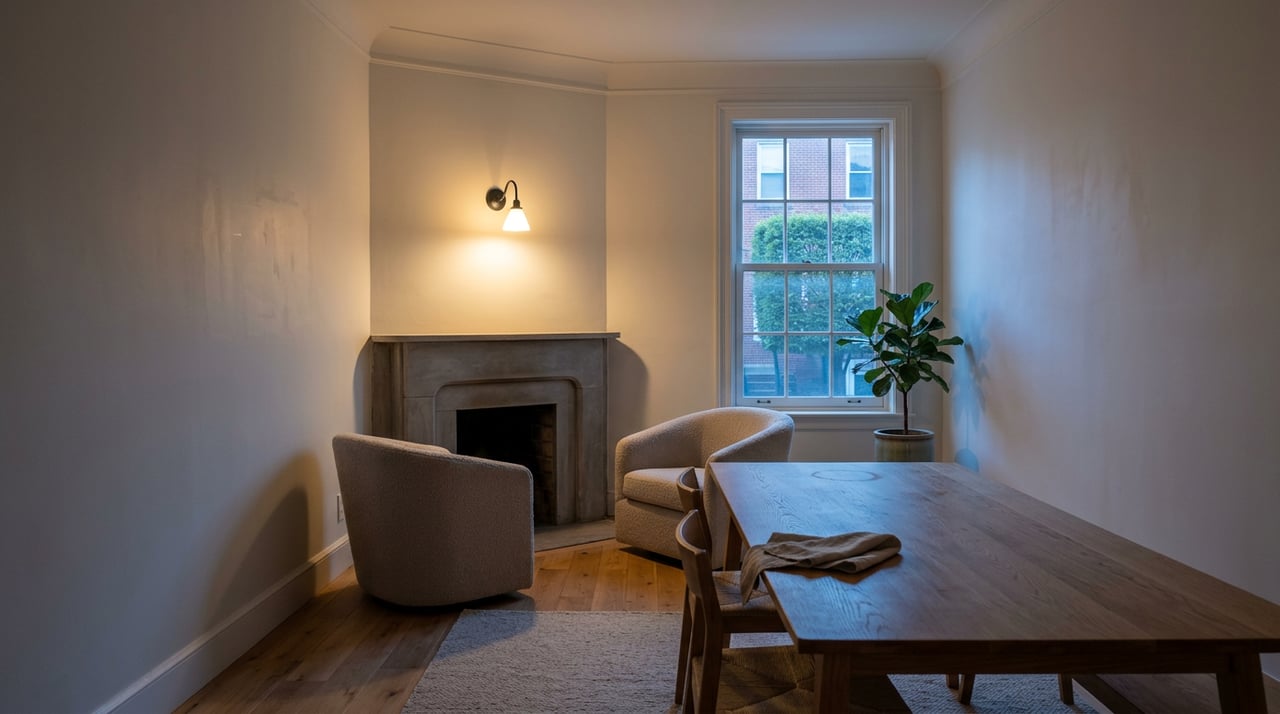
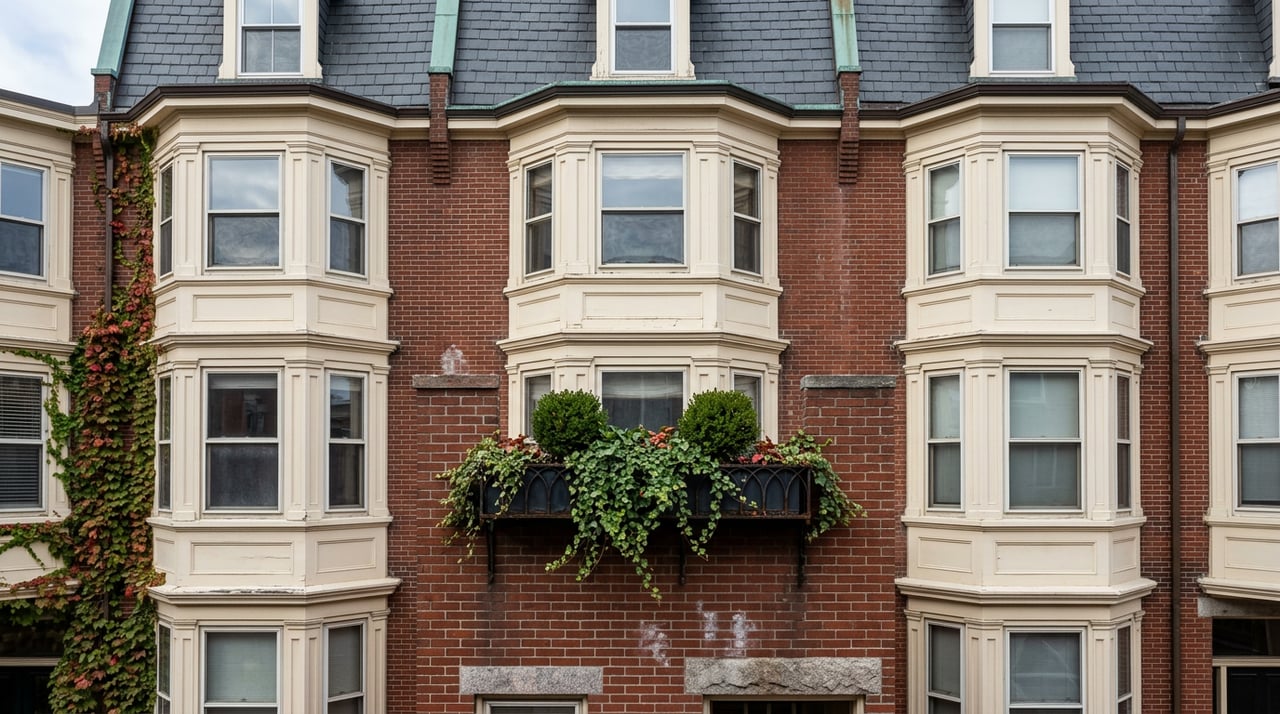
Not every Commonwealth Avenue home reacts to seasonality in the same way. A classic brownstone, parlor-level residence, or floor-through with a strong connection to the street often gains the most from a spring launch.
These homes depend heavily on architectural detail, daylight, and the visual rhythm of the avenue. When trees are fuller and winter wear has faded, buyers tend to experience the setting more favorably.
High-floor condos can be a bit more season-resilient, especially if they offer expansive views or turnkey interiors. Even so, better weather still tends to improve showings, photography, and overall buyer impression.
Count Backward, Not Forward
One of the most important planning mistakes sellers make is choosing a target month without thinking through preparation time. On Commonwealth Avenue, that can be especially costly if you are considering exterior improvements.
Because the Back Bay Architectural District Commission reviews proposed exterior work before it begins, and the commission meets monthly, approvals can affect your schedule. If you want to list in April or May, you may need to start planning well before winter ends.
A cleaner approach is to count backward from your ideal launch date. That gives you time to evaluate presentation, complete any needed work, coordinate photography, and enter the market when conditions are strongest.
A Practical 6 to 12 Month Plan
If your goal is to maximize attention and reduce avoidable friction, the safest approach is simple: prepare in winter, launch in spring, and keep early fall as your backup.
This structure gives you flexibility without sacrificing timing. It also helps you make decisions calmly, rather than rushing once the market is already moving.
Here is a practical planning framework:
- 6 to 12 months out: evaluate condition, review competing properties, and identify any work that may affect timing
- Winter preparation: handle approvals if needed, refine presentation strategy, and begin staging or photography planning
- Spring launch: aim for late March through mid-May, with special focus on April and May
- Fallback plan: if spring is missed, reposition for early September through mid-October
Timing Alone Will Not Carry a Listing
Even in a premier location, timing is only one part of the result. A current Back Bay market snapshot placed the neighborhood’s March 2026 median sale price at $1.434 million, with average days on market at 67.
That is a useful reminder that premium addresses still require discipline. The right week to list matters, but so do pricing, presentation, and launch execution. Buyers in this market tend to notice quality quickly, and they also notice when a property misses the mark.
What Sellers Should Focus On Most
If you are deciding when to list a Commonwealth Avenue residence, focus on the factors you can control:
- Presentation: make sure the home is visually ready for photography and in-person showings
- Timing: target spring first, with early fall as the secondary option
- Property fit: match the launch window to your home’s light, views, and connection to the streetscape
- Preparation runway: allow time for any district-related approvals before your ideal market window
- Pricing discipline: do not assume a marquee address removes the need for careful positioning
For many sellers, the best answer is not simply “list in spring.” It is “prepare early enough to list well in spring.” That difference often shapes the entire outcome.
If you are considering a sale on Commonwealth Avenue, a tailored launch plan matters. With deep experience on Back Bay’s marquee addresses, discreet client service, and a refined approach to presentation and pricing, David Mackie can help you time your listing with care and confidence.
FAQs
When is the best month to list a Commonwealth Avenue residence in Back Bay?
- For most sellers, April and May are usually the strongest months because they combine favorable weather, stronger condo market activity, and better visual presentation.
Is fall a good time to sell a Commonwealth Avenue condo or brownstone?
- Yes. Early September through mid-October is generally the best fallback if you miss the spring market.
Why does season matter so much for Commonwealth Avenue homes?
- Season matters here because buyers respond strongly to the avenue’s architecture, tree canopy, light, and overall streetscape, which tend to show best in warmer months.
Can you list a Commonwealth Avenue residence in winter?
- Yes, but winter usually works best only when the property is fully prepared, staged if needed, and priced with precision.
Should sellers plan exterior work before listing a Back Bay residence?
- If exterior work is part of your strategy, plan early because proposed exterior changes in the Back Bay Architectural District require approval before work begins, and the commission meets monthly.