Are you ready to simplify your home without giving up the best parts of city living? If you are downsizing in Boston, the neighborhood you choose can shape your daily routine just as much as the home itself. The right fit can mean easier mobility, lower-maintenance living, and quick access to the places you actually enjoy. Let’s look at how Back Bay compares with other top Boston neighborhoods for this next chapter.
Why neighborhood fit matters most
When you downsize, square footage is only part of the decision. In central Boston, a better question is often this: which neighborhood will make life feel easier day to day?
That usually comes down to a few practical points. You may want elevator access, professional building management, walkable streets, nearby cultural destinations, and less hands-on upkeep. In Boston, those details vary quite a bit from one neighborhood to another.
Another major difference is housing character. Back Bay, Beacon Hill, and South End are official historic or landmark districts, while Seaport and the downtown waterfront are shaped more by newer development, transportation planning, and flood-resilience priorities.
Back Bay as the downsizing benchmark
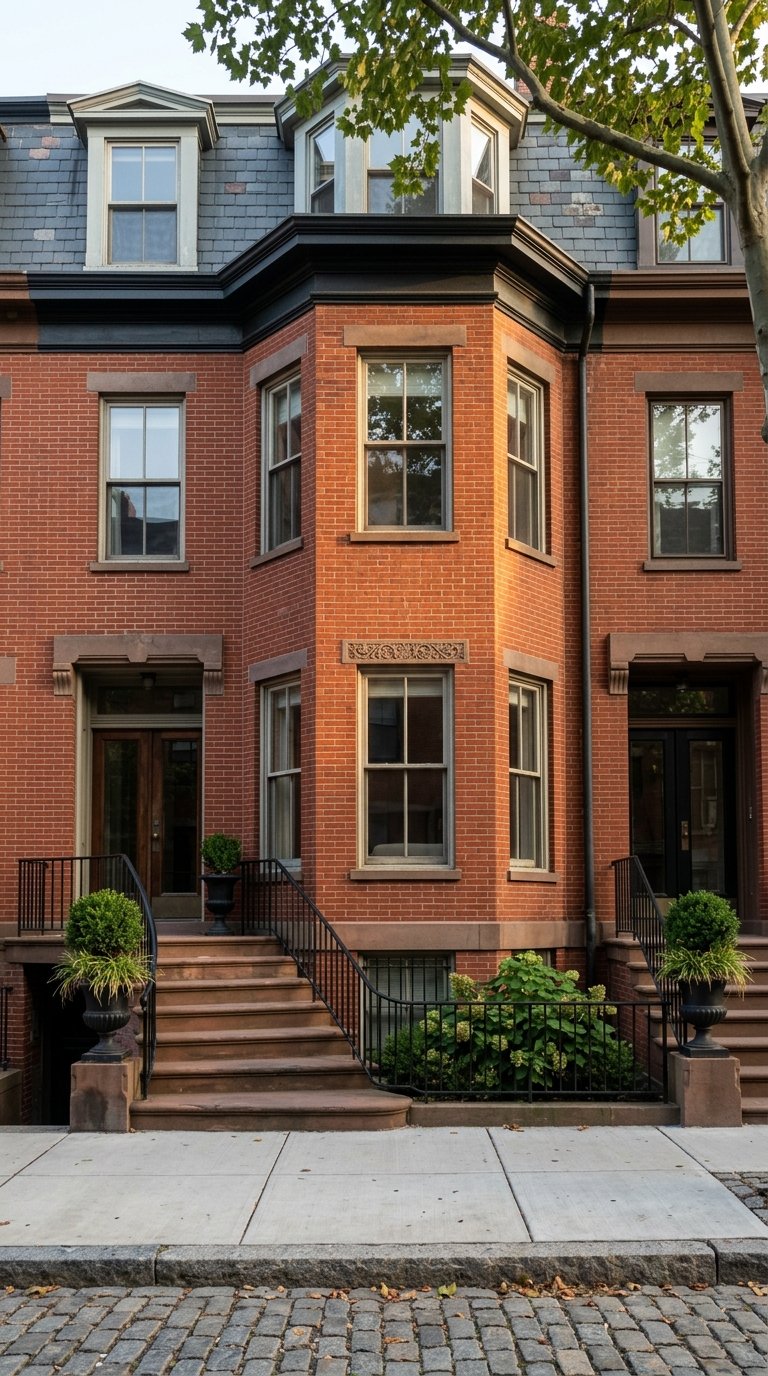
Back Bay is often the reference point for downsizers because it offers a rare blend of historic Boston character and central convenience. The neighborhood includes well-known destinations like Newbury Street, Boylston Street, Commonwealth Avenue, the Prudential Center, Trinity Church, and the Boston Public Library.
For many buyers, that mix is hard to beat. You get a neighborhood with architectural significance and strong day-to-day walkability, but you can also find condo inventory that supports a lower-maintenance lifestyle.
Current city listing materials also show the kind of features many downsizers are looking for in Back Bay condo product. One Back Bay, for example, highlights elevator access along with bus and subway access, which speaks directly to convenience and mobility.
Comparing Boston neighborhoods for downsizing
Back Bay
Back Bay suits buyers who want classic Boston with immediate access to shopping, dining, and cultural institutions. It balances preserved historic fabric with some full-service condo options, which is a meaningful advantage if you want elegance without as much household friction.
It also works well if you expect to walk often or rely on transit. For buyers leaving behind a larger suburban home, that combination of prestige, location, and practicality can make the transition feel natural.
Beacon Hill
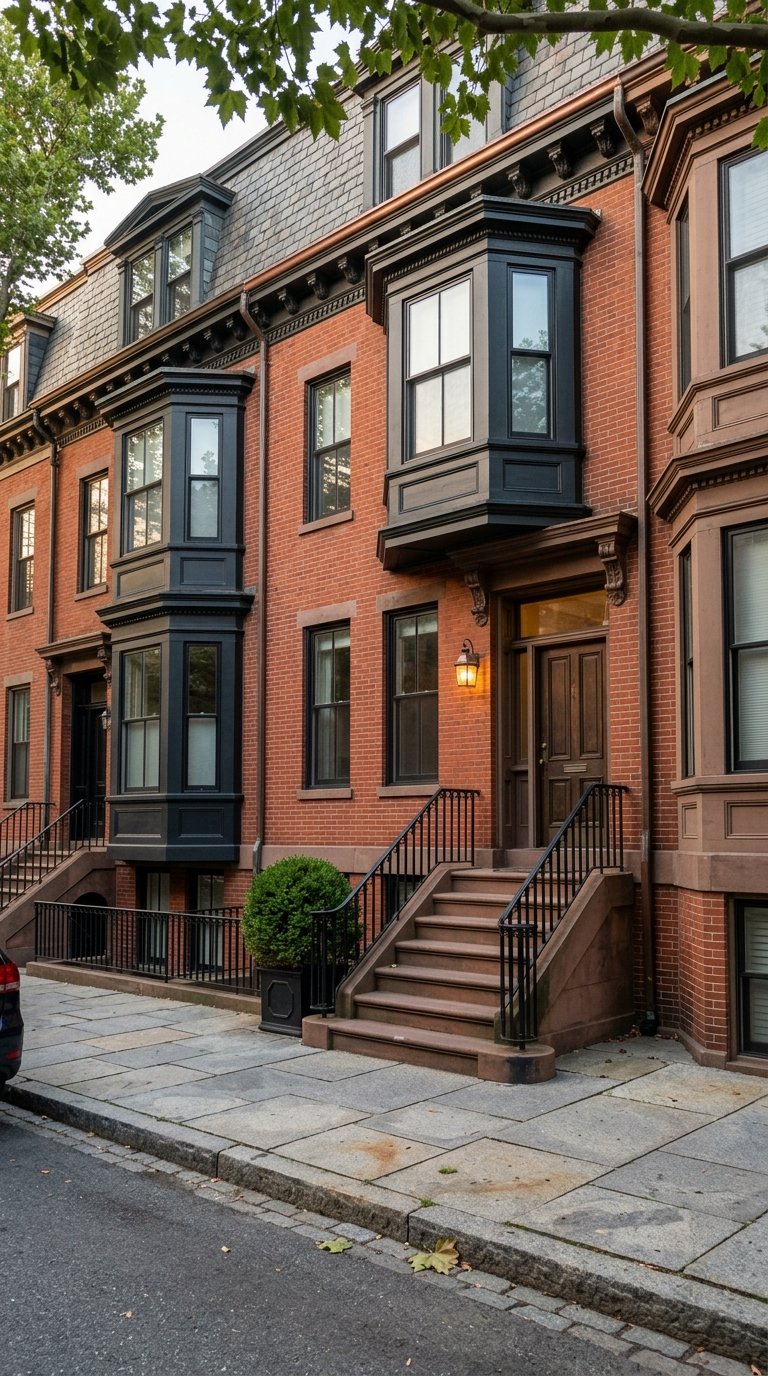
Beacon Hill offers the deepest old-Boston feel of the group. The neighborhood is known for brick row houses, ironwork, brick sidewalks, gas lamps, and the shops and restaurants along Charles Street.
That charm comes with tradeoffs. Exterior work visible from a public way is subject to review by the Beacon Hill Architectural Commission, and the neighborhood’s historic rowhouse fabric often means less of an elevator-first experience than you may find elsewhere.
If your top priority is timeless character, Beacon Hill may be the right fit. If your top priority is convenience inside the building, you may find yourself making more compromises here.
South End
South End is often the middle-ground choice. It offers central location, nearly 30 parks, an active arts presence, SoWa Open Markets, Restaurant Row on Tremont, and boutiques along Shawmut Avenue.
For downsizers, the appeal is variety. The neighborhood’s development history helps explain why you see a broader range of condo sizes and building types here than in some other central Boston areas.
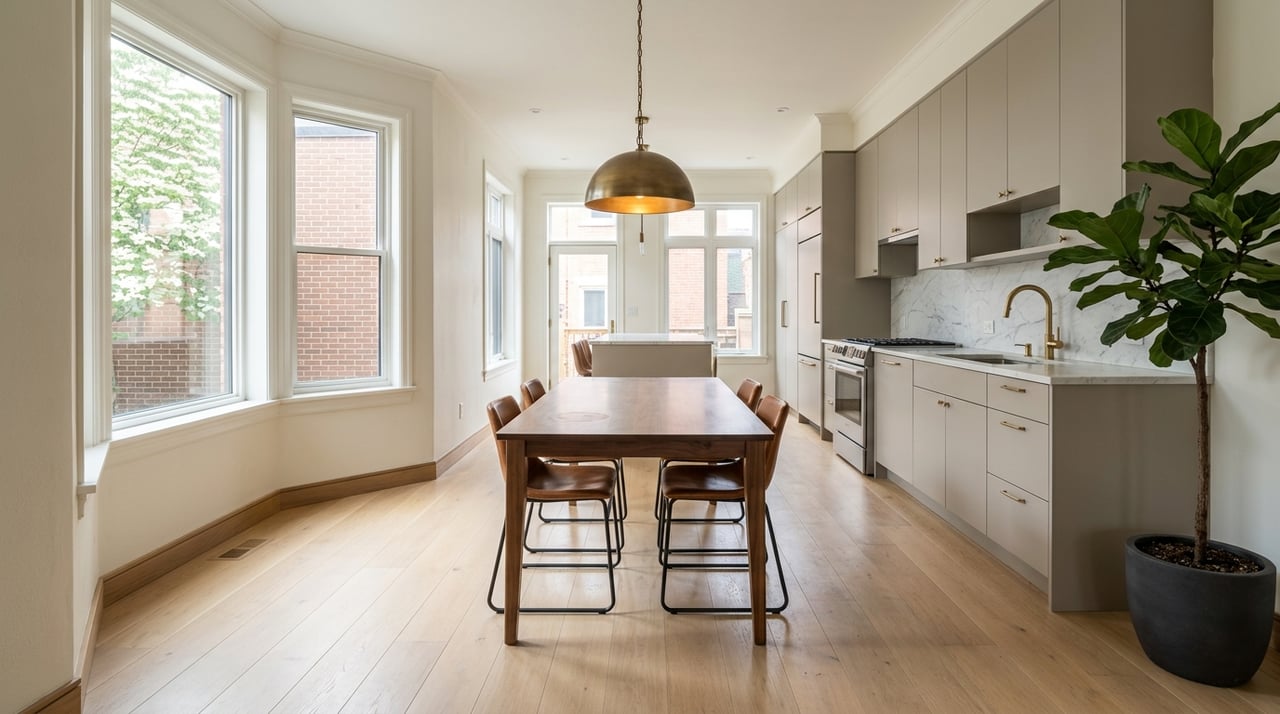
Current listing materials also point to a strong low-maintenance option set. A 700 Harrison Avenue listing includes elevator access, central air, in-unit laundry, common outdoor space, and association services covering exterior maintenance, landscaping, snow removal, refuse removal, reserve funds, and management.
Seaport
Seaport is the most turnkey and amenity-forward option in this comparison. The area is part of the growing South Boston Waterfront, and much of its housing stock is newer construction rather than preserved historic fabric.
That newer product often aligns well with downsizing goals. Current city listings show features such as elevators, bicycle storage, in-unit laundry, air conditioning, wheelchair access, and in some cases a gym or fitness area.
Seaport is also a neighborhood still receiving major planning attention. The city’s North Station to Seaport corridor work is aimed at stronger multimodal connections, including direct bus service between key parts of the city.
Waterfront
Boston’s downtown waterfront offers a mixed housing profile. The city describes housing here as ranging from historic apartment buildings to modern glass towers, with theaters, restaurants, cafes, and 5.5 miles of waterfront within walking distance.
For some downsizers, that combination is compelling. You can enjoy harbor access and downtown convenience while choosing between older and newer building types.
The waterfront also stands out because resilience planning is a central part of the conversation. The city’s work here emphasizes accessible open space, prepared buildings and infrastructure, and elevated harborwalks.
What building type means in real life
When you move from a larger home into a Boston condo, the building itself can matter as much as the floor plan. Features like elevators, professional management, and included exterior upkeep can reduce routine responsibilities in a meaningful way.
Based on current city listing materials and neighborhood context, that pattern is strongest in newer Back Bay, South End, and Seaport product. Beacon Hill tends to be more preservation-sensitive, which may mean more tradeoffs around stairs, building services, or unit scale.
This does not make one neighborhood better than another. It simply means your best fit depends on whether you value architectural intimacy, turnkey convenience, or a balance of both.
Mobility should be part of your decision
Many downsizers are not just changing homes. They are changing how they move through the city.
Back Bay, South End, and Downtown all offer close access to transit and walkable destinations. If you expect to rely less on a car and more on walking, taxis, rideshares, or public transportation, that daily ease can quickly become one of the biggest benefits of your move.
Seaport deserves a slightly different lens. It already offers strong appeal, but it is also still being improved through city transportation planning, especially in connections to North Station and South Station.
Waterfront living and resilience planning
If you are drawn to Seaport or the downtown waterfront, it makes sense to look beyond views and amenities. Boston’s resilience planning for the harbor focuses on flooding, sea-level rise, accessible open space, and prepared infrastructure.
That does not mean waterfront living is a poor choice. It means buyers should pay close attention to building quality, flood mitigation, and how prepared a condo association is for long-term resilience needs.
For some buyers, that planning focus is actually reassuring. It shows that these areas are not static and that infrastructure readiness is part of the neighborhood conversation.
Which Boston neighborhood fits your downsizing goals?
If you are weighing these neighborhoods against each other, a simple framework can help.
- Choose Back Bay if you want iconic Boston, central walkability, cultural access, and some elevator-building inventory.
- Choose Beacon Hill if historic character matters most and you are comfortable with a more preservation-sensitive housing stock.
- Choose South End if you want a balance of parks, restaurants, arts, and condo convenience.
- Choose Seaport if your priority is newer construction, services, and a more turnkey lifestyle.
- Choose Waterfront if you want harbor access, downtown convenience, and a mix of historic and modern building options.
For many empty-nesters and second-home buyers, Back Bay remains the most balanced choice. It offers heritage, location, and practical convenience in a way few neighborhoods can match.
Still, the right answer is personal. The best downsizing move is not only about finding a smaller home. It is about choosing a neighborhood that supports the way you want to live next.
If you are considering a move in Back Bay, Beacon Hill, South End, Seaport, or the Waterfront, David Mackie offers discreet, highly tailored guidance, including curated search support and access to select off-market opportunities.
FAQs
What makes Back Bay a strong Boston downsizing option?
- Back Bay stands out for its combination of historic character, central walkability, cultural destinations, and some condo inventory with elevator and transit access.
How does Beacon Hill compare with Back Bay for downsizers?
- Beacon Hill offers more intimate historic character, but its rowhouse-heavy housing stock may involve more tradeoffs around stairs, building services, and convenience.
Is South End a good fit for low-maintenance Boston living?
- Yes. South End offers a broad mix of condo types, and current city listing examples show features like elevators, in-unit laundry, central air, and association-covered exterior upkeep.
Why do some downsizers choose Seaport in Boston?
- Seaport appeals to buyers who want newer construction, amenity-rich buildings, and a more turnkey lifestyle with features such as elevators, AC, and in some cases fitness spaces.
What should buyers consider about Boston waterfront homes?
- Along with location and views, buyers should pay attention to building quality, flood mitigation, and association preparedness because waterfront areas are closely tied to city resilience planning.
Which Boston neighborhood offers the most balanced downsizing lifestyle?
- For many buyers, Back Bay offers the most balanced mix of prestige, convenience, walkability, and housing options, though the best choice depends on your personal priorities.