Eyeing a South End brownstone with character, retail below, or a small condo association upstairs? Financing these homes can feel different from a typical suburban purchase. You want a smooth close, competitive terms, and no surprises tied to condo rules or mixed use. In this guide, you will learn when portfolio and jumbo loans fit, what makes some condominiums non‑warrantable, and the steps that help you close with confidence. Let’s dive in.
Portfolio loans, jumbo loans, and conforming
A conforming mortgage follows agency standards and is typically sold to Fannie Mae or Freddie Mac. These loans often offer attractive rates and predictable underwriting. The tradeoff is stricter condo project rules and more precise documentation.
A jumbo loan is any loan amount above the annual conforming limit set by federal guidelines. Jumbo programs can be competitive on pricing, but many still require the condo project to meet agency-style criteria. If the building does not pass those tests, a standard jumbo may not work.
A portfolio loan is kept by the bank rather than sold to an investor. Because the lender retains the loan, underwriting is more flexible. Portfolio lenders commonly finance non‑warrantable condos, small associations, and mixed‑use buildings that do not fit agency boxes.
Why South End brownstones often need portfolio financing
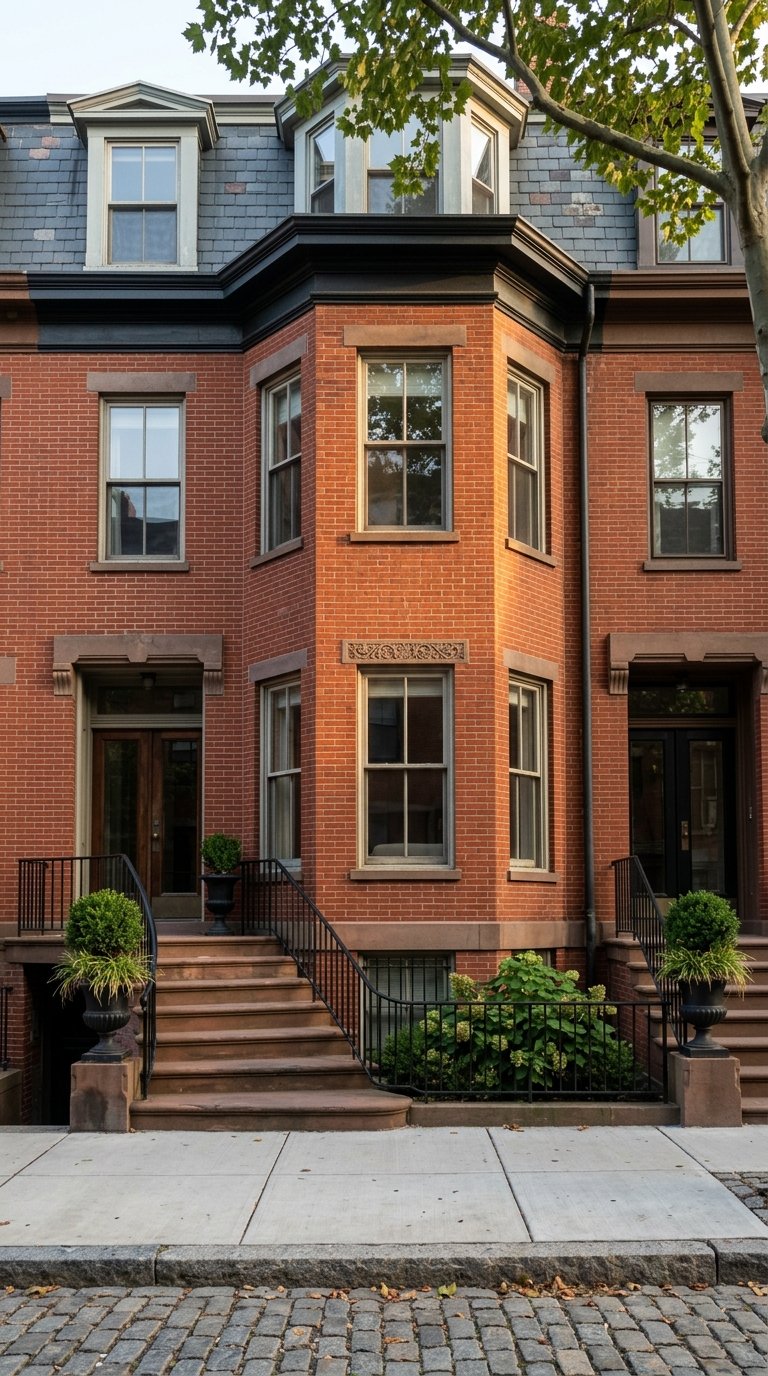
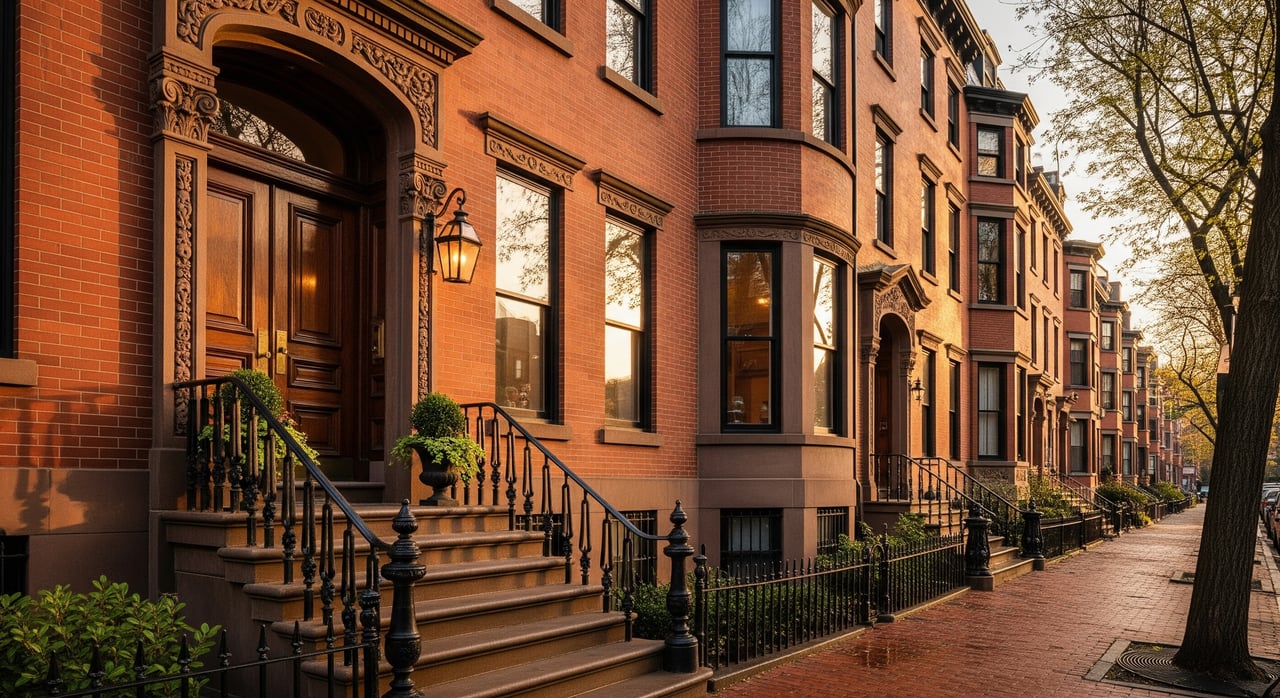
The South End’s building stock is beautiful and diverse. Many properties are 19th‑century brick rowhouses that were later converted into small condo associations. It is also common to see ground‑floor retail with residences above. These traits shape the lending path.
Common reasons a unit becomes non‑warrantable:
- Mixed‑use elements, such as retail or professional space below residential units.
- Small associations, often two to six units, or recent conversions that are still stabilizing.
- High investor ownership or low owner‑occupancy across the association.
- Limited or unclear HOA reserves, incomplete financials, or pending litigation.
- Short‑term rental activity that exceeds agency tolerance.
Agency rules around project eligibility and reserves are laid out in the Fannie Mae Selling Guide and the Freddie Mac Single‑Family Seller/Servicer Guide. Exact thresholds vary by investor and change over time, so your chosen lender’s current standards will control.
When a jumbo works, and when it does not
- If the building is warrantable and your loan amount exceeds the conforming limit, a standard jumbo can be a fit.
- If the building is non‑warrantable, many secondary‑market jumbos will decline the loan. In that case, a jumbo portfolio product, held by the bank, is often the clean solution.
- If the home and association both meet agency criteria and your loan size is within limits, conforming is usually the best rate path.
South End scenarios and likely fit
3‑unit brownstone over a café
You find a top‑floor duplex over established retail. The mixed‑use element is a common non‑warrantable trigger. A portfolio lender can evaluate the commercial share, tenants, and HOA financials, then tailor down payment and reserves to the property.
Newly converted 2‑unit association
A recent conversion with limited reserve history can be flagged by agency investors. A portfolio loan allows a bank to underwrite the conversion documents, reserve plan, and owner profiles with more flexibility.
Large, established association, high price point
A single unit in a larger, established condo with clean documents but a loan amount above the conforming limit may fit a standard jumbo. If the project is warrantable, jumbo pricing can be competitive.
Investor purchasing multiple units in one building
Many lenders cap how many units one owner can hold in a project. Portfolio lenders are more likely to consider higher concentrations, with stronger documentation and reserves.
Your early game plan before you offer
- Ask for preliminary lender feedback on the specific property type. Share whether it is mixed‑use, the association size, and any recent conversion details.
- Request the lender’s condo checklist so you can gather documents quickly.
- If advised, order a condo document review to identify non‑warrantable triggers early.
- Secure a pre‑approval that clearly states any conditions related to condo status, reserves, or conversion seasoning.
What lenders review in condo documents
Gather a complete package so underwriting does not stall. Expect requests for:
- Declaration and bylaws, master insurance, annual budget, recent financials, and meeting minutes.
- Reserve study or schedule, if available, and any special assessment history.
- Details on commercial space, including leases and the percentage of commercial square footage.
- A letter on litigation status and any building‑wide claims.
- For conversions, documentation of conversion date and local approvals.
- For investor buyers, rent rolls and leasing policies.
State requirements for condominiums are governed by Massachusetts law. If you want statutory context, review Massachusetts General Laws, Chapter 183A.
Structuring your offer and timeline
- Add a financing contingency tied to approval by your named lender and product type. Include a clear timeline for condo review.
- If due diligence reveals reserve shortfalls or pending work, consider negotiating escrows or targeted credits.
- If you plan renovations, confirm whether you need construction or bridge financing, and verify how historic guidelines may affect scope and timing.
What to expect with portfolio underwriting
- Timeline. Manual condo reviews and follow‑up can add days or weeks. Start early to protect your closing date.
- Pricing and LTV. Terms are lender specific. Expect more conservative loan‑to‑value limits and pricing that reflects the project’s risk profile.
- Documentation. Portfolio loans are detail‑driven. Be prepared for deeper HOA, property, and borrower documentation.
Smart questions to ask your lender
- Do you offer a non‑warrantable condo program, and how do rates and LTVs compare with conforming loans?
- Which condo documents do you need, and how long will your review take?
- How do you underwrite mixed‑use buildings and on‑site commercial tenants?
- What evidence of reserves or capital planning will you require from the association?
- Will you require additional borrower cash reserves or business financials for investor or multi‑property borrowers?
Align your financing with the property
Financing a South End brownstone is about fit. The building’s details, association size, reserve policies, and any mixed‑use elements drive the loan path as much as your income and assets. When you match the property to the right lender and product on day one, you reduce risk and protect your leverage in negotiation.
If you want a discreet, concierge‑level approach to buying in the South End, including aligned financing timelines and meticulous contract strategy, connect with David Mackie.
FAQs
What is a non‑warrantable condo, and why does it matter in the South End?
- A non‑warrantable condo does not meet agency project standards, often due to mixed‑use elements, small association size, investor concentration, reserve issues, or litigation. In the South End, these traits are common in brownstone conversions, which often steer buyers to portfolio lenders.
How do mixed‑use elements affect financing on a South End brownstone?
- Retail or office space below residential units can exceed agency limits for commercial use. Many standard conforming and jumbo loans will not finance such units, so a portfolio program that underwrites case by case is often the path.
Do historic‑district rules change loan approval or costs?
- Historic guidelines do not change mortgage eligibility directly, but they can affect renovation scope and timing. If you plan work, confirm whether you need construction financing and include those timelines in your loan and contract strategy.
When should I choose a jumbo loan instead of a portfolio loan?
- If the condo project is warrantable and your loan amount is above the conforming limit, a standard jumbo can be a fit. If the project fails warrantability tests, a portfolio jumbo held by the bank is usually more realistic.
How long does condo document review take for portfolio loans?
- Expect additional time compared with a standard loan, often days to weeks, depending on HOA responsiveness and any follow‑up on reserves, commercial space, or litigation.
Which rules define condo warrantability if I want to read them?
- Agency frameworks are published in the Fannie Mae Selling Guide and the Freddie Mac Single‑Family Seller/Servicer Guide. Your lender will apply its current version of those standards.