Are you preparing to sell a Beacon Hill brownstone and wondering how to price it with confidence? You know your home is special, but the details that set it apart are easy to miss in a standard CMA. This guide shows you how buyers and appraisers in Beacon Hill actually assign value, so you can price strategically and avoid leaving money on the table. Let’s dive in.
Beacon Hill pricing is different
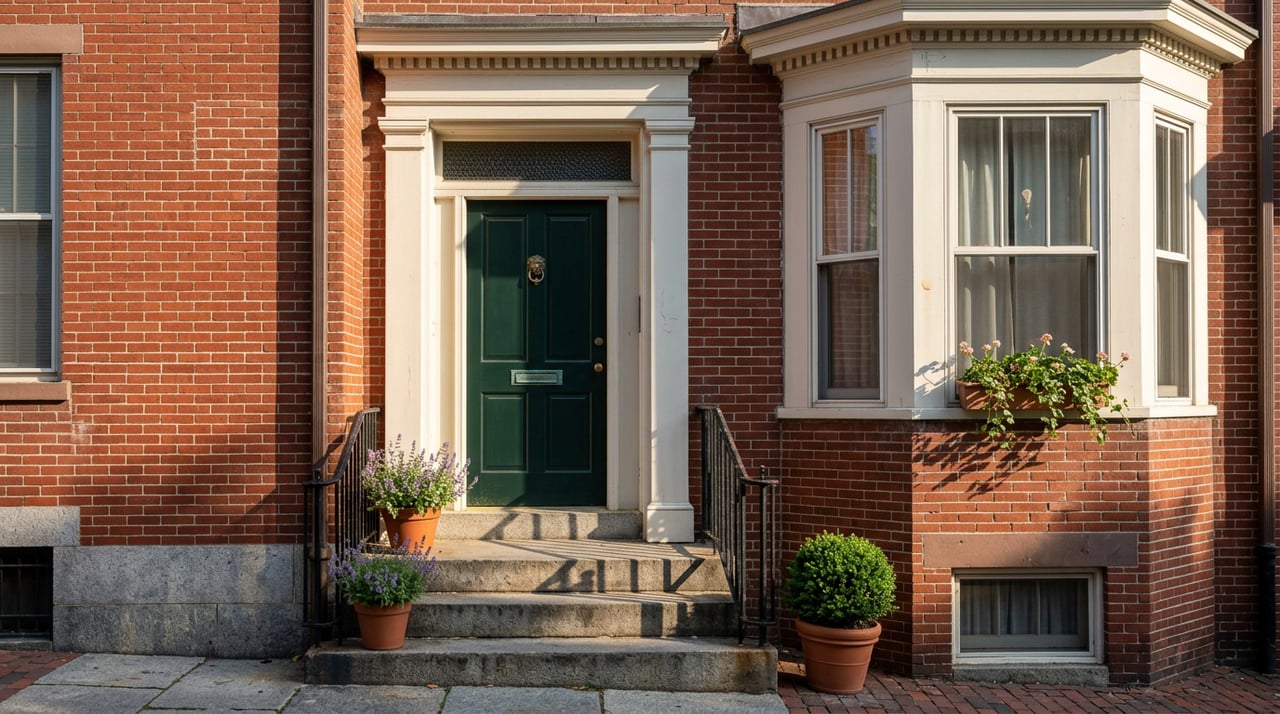
Beacon Hill is a protected historic district. Exterior changes and some site work often require review, which shapes what buyers can do and how they value intact features. Many buyers pay for preserved character and the predictability of preservation controls, while some will shy away from restrictions.
Inventory is tight. Narrow lots, attached brownstones, and rare opportunities to add parking or outdoor space keep supply limited. Demand is driven by walkability, proximity to the State House and downtown, and the neighborhood’s historic appeal.
Small differences matter more here. A few extra feet of width, a private walled garden, or intact woodwork can create outsized price gaps compared with non-historic areas. Provenance and condition often determine whether a listing commands a premium or trades at market.
Six value levers to price right
Width and floor plate
Wider brownstones live better. Buyers notice room width, light, and circulation from the first showing.
- How to measure: façade width in feet, typical interior room width, and rooms per floor.
- Why buyers care: wider homes allow flexible layouts and better proportioned rooms.
- Effect on value: width supports higher per-square-foot pricing because it is hard to replicate.
- What to document: measured floor plans, survey, and lot frontage from assessing records.
Intact period detail
Original staircases, mantels, mouldings, floors, and window sashes drive emotional appeal and reduce restoration risk.
- How to assess: inventory original elements and note any accurate restorations.
- Why buyers care: authenticity is scarce and prized in historic districts.
- Effect on value: higher intactness can justify a premium and may attract a different buyer pool.
- What to document: photographic inventory, dates and architect where known, conservation invoices, and any approvals for past work.
Outdoor space
Private outdoor areas are rare and highly valued for daily living.
- How to assess: type and size of space, access from main living areas, sun exposure, and deeded status.
- Why buyers care: a private walled garden or proper roof deck is a lifestyle upgrade.
- Effect on value: outdoor space can be one of the largest single feature premiums.
- What to document: site plans, deed references, photos showing privacy and usability.
Parking
On-site or deeded parking is scarce and can be decisive for buyers with cars.
- How to assess: garage, off-street, deeded nearby, or permit-only options.
- Why buyers care: convenience and certainty of a space.
- Effect on value: deeded or garage parking typically commands a measurable premium.
- What to document: deed language, easements, and any city confirmations for permits.
Renovation quality and systems
Sympathetic, high-quality renovations reduce buyer risk. In Beacon Hill, that matters.
- How to assess: categorize finish level and list system ages for HVAC, electrical, plumbing, and roof.
- Why buyers care: turn-key historic homes with modern systems trade faster and stronger.
- Effect on value: quality upgrades support premiums, while deferred systems push price down.
- What to document: permits, scopes of work, contractor invoices, warranties, inspection reports.
Street prestige and micro-location
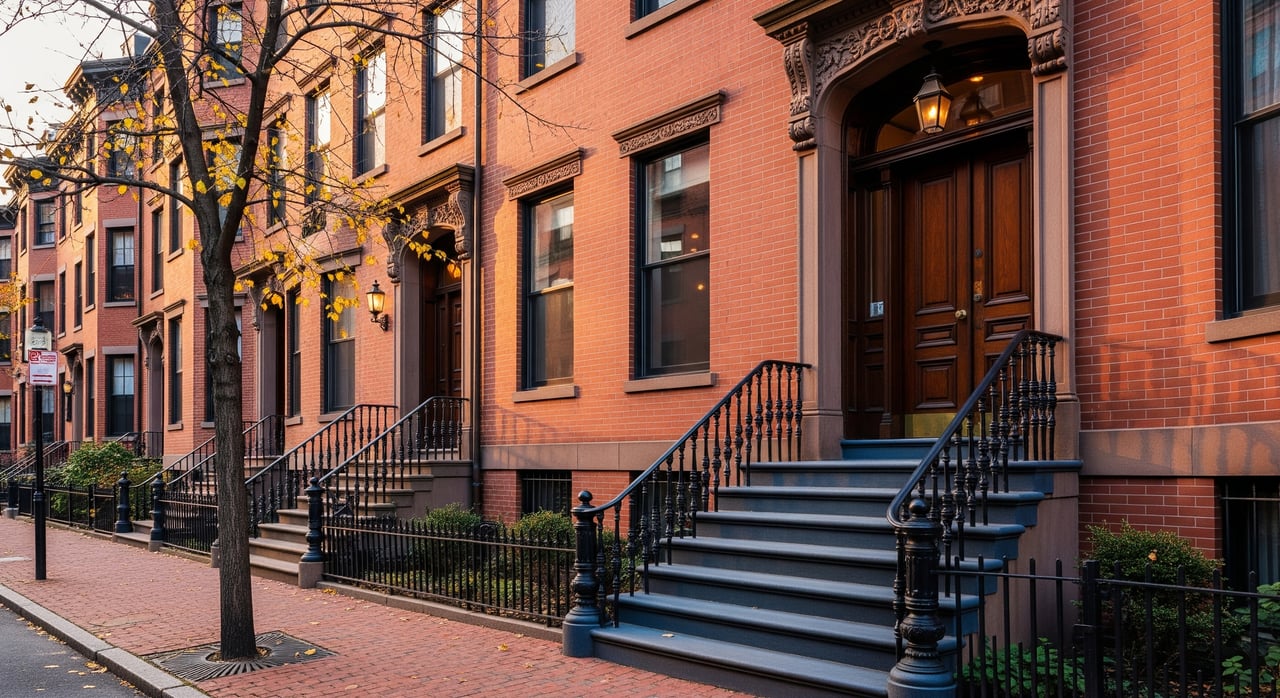
Not all blocks are equal. Quiet blocks with landmark homes, views, or proximity to parks and transit can trade higher.
- How to assess: block reputation, traffic patterns, views, and distance to stations.
- Why buyers care: street aesthetics and noise levels affect day-to-day living.
- Effect on value: street prestige can act as a multiplier between otherwise similar homes.
- What to document: recent sales on the block and objective notes on setting and traffic.
Build a Beacon Hill CMA
Select true comps
Start with closed Beacon Hill brownstone sales from the last 6 to 12 months. Favor comps that match width, floor count, intactness, outdoor space, parking status, renovation quality, and street prestige. Only look to nearby neighborhoods when a specific feature lacks Beacon Hill comps, and be cautious when adjusting for different buyer expectations.
Calibrate adjustments
Translate differences into buyer-relevant terms, not just raw square feet. Weight functional attributes first: usable floor plate, outdoor space, and parking. Treat provenance and intact detail as value multipliers that can justify stronger pricing when well documented and properly presented.
Weigh condition and provenance
Separate cosmetic changes from systems and structure. Buyers discount heavily for deferred mechanical or structural work due to cost and disruption. If provenance is notable and verified, it can support a premium, but pair it with comps that show the market will pay for it. If such comps do not exist, test the premium through market response and feedback.
Pick your pricing strategy
- Market-accurate pricing: Price to the best-matched comps for a predictable sale. Ideal when the home is strong but not singular in features.
- Premium with staged marketing: List above comps when you have rare width, intact detail, provenance, or private outdoor space. This requires exceptional presentation, a clear narrative, and patience to reach the right buyers.
- Aggressive competition pricing: List slightly below fair-market comps to encourage multiple offers when inventory is thin and the home checks key boxes.
Be mindful of appraisal limits. Extraordinary premiums for subjective attributes can be difficult for lenders to support. Well-prepared documentation helps appraisers and strengthens buyer confidence.
Pre-listing checklist that pays off
- Measured floor plans and façade width
- Lot and parcel data from the City assessing records
- Inventory of historic features with photos and dates
- Permits and approvals for prior work
- Contractor invoices, system ages, and warranties
- Deed references for outdoor space and parking rights
- Recent Beacon Hill comps and pending listings
Smart preparation also includes selective restoration of a few high-impact features, professional photography that highlights light and circulation, and early conversations with the historic commission if buyers may ask about future changes such as a roof deck.
Common risks to avoid
- Relying on an unproven provenance premium without comparable sales
- Underestimating the cost and impact of mechanical or structural issues
- Assuming parking or outdoor solutions can be added quickly
- Overweighting cosmetic upgrades while ignoring systems
Our approach for Beacon Hill sellers
Pricing a Beacon Hill brownstone is about evidence, presentation, and reach. You want a precise valuation narrative backed by documents, a polished story that honors the home’s history, and distribution that surfaces qualified buyers who value what you have. That is where a boutique, high-touch strategy paired with institutional reach makes the difference.
If you are considering a sale, let’s align your home’s unique strengths to the right pricing path and buyer pool. For discreet guidance and a tailored strategy, connect with David Mackie.
FAQs
How much does width affect price in Beacon Hill?
- Width influences layout, light, and room proportions, and buyers pay attention to it, so even modest increases in usable floor plate can support higher per-square-foot pricing.
Do period details really add value to a brownstone?
- Yes, well-preserved original elements reduce restoration risk and deliver authenticity that many Beacon Hill buyers seek, which can justify a meaningful premium when documented.
What if my brownstone lacks parking?
- Lack of deeded or off-street parking is common; focus pricing on other strengths and note any practical alternatives, understanding that deeded parking often commands a clear premium.
How do appraisals handle provenance premiums?
- Appraisers tend to be conservative; strong documentation helps, but premiums for provenance are easiest to support when comparable sales show market acceptance or when buyers have larger down payments.
Should I renovate before listing in Beacon Hill?
- Prioritize systems and structural items first, then selective, sympathetic upgrades; buyers discount heavily for deferred mechanical work and value turn-key historic homes with modern systems.