Want Seaport convenience without paying Seaport tower pricing? If you love the water, dining, and energy of Boston’s waterfront but want more space and value, South Boston just inland from the Seaport deserves a close look. In this guide, you will see how prices and amenities compare, what product types dominate, the rent and yield picture, and key due‑diligence steps if you plan to buy or invest. Let’s dive in.
South Boston vs. Seaport value
Recent neighborhood snapshots show a clear gap between Seaport and inland South Boston on a price‑per‑square‑foot basis. The Seaport District sits at the top of Boston’s market with a median sale price per square foot around $2,200 and neighborhood median sale price near $1.8 million in early 2026. The South Boston Waterfront zone next to Seaport trends near $936 per square foot, and inland South Boston is around $870 per square foot in the same period. Back Bay and the South End also price higher per square foot than inland South Boston, but below the Seaport’s peak tier.
These figures are neighborhood medians and can shift month to month based on the sales mix. They are useful for understanding broad value tiers. If you want the waterfront setting and full‑service buildings, the Seaport leads on brand‑new product and views. If you want more interior space per dollar and a wider mix of townhomes and boutique condos, inland South Boston offers a compelling alternative near the harbor.
What this means for you
- You can often secure larger floor plans in South Boston for the price of a smaller Seaport unit.
- If you want trophy‑level views, polished hotel‑style services and new glass towers, the Seaport delivers but at a premium.
- If you want value, outdoor space, and parking at a lower basis with quick access to the waterfront, South Boston is worth a tour.
Luxury home types nearby
Seaport towers and podiums
The Seaport features new luxury condos and high‑end rentals with modern floor plans, extensive glass, and premium finishes. Think penthouses, full‑floor residences, and curated retail below. Many buildings offer concierge, garage parking, EV charging, and sky lounges.
South Boston Waterfront mid‑rises
Between Fort Point and inland South Boston, you will find newer mid‑rise condo buildings that bridge the two markets. These often pair contemporary design with elevator access, garage parking, and roof decks, at pricing below Seaport towers but above older inland stock.
Inland townhouses and boutique condos
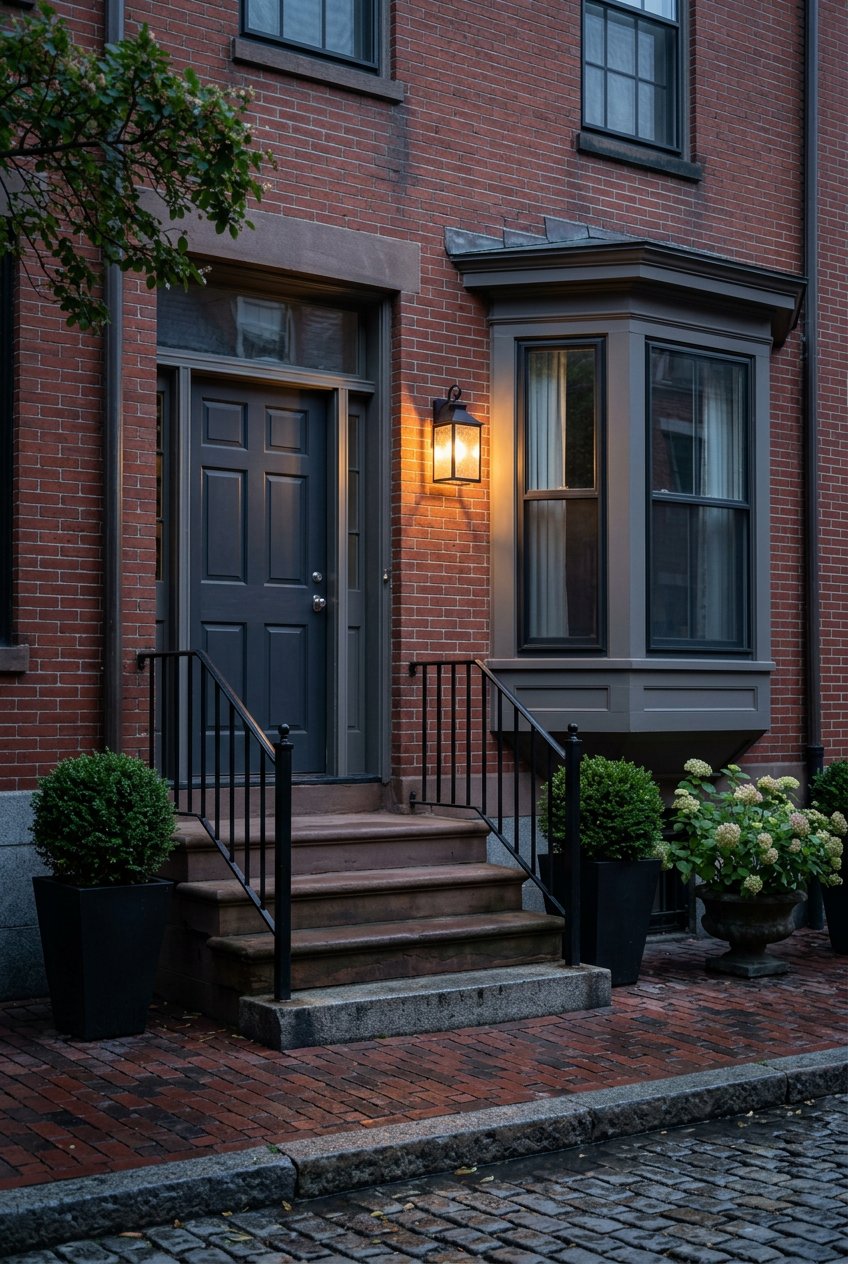
Inland South Boston is defined by renovated townhouses, triple‑deckers converted to luxury condos, and boutique elevator buildings. Buyers who want more bedrooms, private outdoor space, and a classic street setting often focus here. City Point and the East Side also feature owner‑occupied homes and smaller multi‑families finished to luxury standards.
Amenities that matter now
Across Boston’s luxury segment, expectations have risen. Hotel‑style front desk staffing, well‑equipped fitness and wellness spaces, package rooms, pet amenities, rooftop terraces, and in‑building EV charging have become standard considerations. National and local research highlights a sharp rise in demand for private outdoor space, secure garage parking, and strong HOA reserves to support quality staffing and upkeep. For a deeper dive on shifting buyer preferences, see the Coldwell Banker Global Luxury trend report from Luxury Roundtable, which documents these patterns across 2024–2026 in its analysis of amenities and buyer priorities.
If EV charging matters to your household, confirm on‑site capabilities or plans to add them. Research shows EV infrastructure is moving from optional to expected in newer buildings and can influence buyer interest as adoption accelerates.
Rent and yield snapshot
For investors and second‑home buyers who plan to rent part‑time, rent levels and simple gross yields help frame options. Recent listings show one‑bedrooms in Seaport towers commonly near the high $3,000s per month, with studios and one‑beds ranging around $2,900 to $3,900 depending on building and view. You can see representative Seaport listing ranges on Zumper’s Seaport page for 91 Seaport Boulevard.
Inland South Boston rents are lower than Seaport on average, but many one‑bedroom medians in early 2026 still land in the low‑$3,000s. Check neighborhood medians and recent listings; some inland units offer more square footage and outdoor space at those levels. For a sample of area medians, see RentHop’s rent research for Boston ZIP 02215.
Here is what this can look like on simple, before‑expense math:
- Seaport example: A typical 1‑bed listing around $3,706 per month equals about $44,472 per year. With building prices near the top of Boston’s range, illustrative gross yields can land near the high‑2 percent range for similar 1‑bed units.
- Inland South Boston example: One‑bedroom listings around $3,273 per month equal roughly $39,276 per year. With median prices far below the Seaport, illustrative gross yields often fall near the ~4 percent range in recent snapshots.
These are broad examples, not net returns. Condo fees, taxes, insurance, parking, flood coverage if required, and vacancy will change the outcome. In Seaport towers, fees are often higher due to full‑service staffing. Your underwriting should use actual HOA budgets and current insurance quotes.
Development and infrastructure to watch
Seaport Square and Harbor Way
The Seaport’s buildout is guided by a master plan that continues to add residential, retail, and public realm improvements along Harbor Way. These phases will influence foot traffic, green space, and long‑term appeal across the waterfront. The BPDA’s Seaport Square filings and cooperation agreement outline the program and public benefits.
South Station Tower
South Station Tower, a major mixed‑use project over the station platforms, will bring new office, retail, and luxury residences to a key transit hub near the Seaport and South Boston. As this project advances, it can shift commuting patterns and add high‑end housing supply close to the waterfront. See Hines’ project milestone on BusinessWire for context.
Transportation and access
With rapid growth in the Seaport and South Boston, city agencies have advanced a comprehensive transportation action plan to manage mobility and safety. For recommendations and timing, review the South Boston Transportation Action Plan draft recommendations. These upgrades can support long‑term livability and property values.
Climate resilience and flood due diligence
Waterfront access is part of the Seaport and South Boston appeal, but some blocks face flood exposure under mid‑century sea‑level scenarios. The City of Boston’s Coastal Resilience Solutions report for South Boston documents priority areas, timelines, and protective strategies. Before you buy on or near the waterfront, review the city’s South Boston resilience plan, check FEMA and city flood maps, and verify any building‑level protections, such as elevated entries and flood‑proofed utility rooms.
Major public‑realm projects like the Moakley Park redesign and adjacent shoreline improvements are also in motion. These investments aim to improve recreation and add coastal protection along Dorchester Bay. For a summary of how public and private partners are approaching rising seas around the harbor, see this overview of developer roles in Boston’s coastal resilience efforts.
Buyer checklist for South Boston luxury
Use this concise checklist to evaluate any property near the Seaport and South Boston Waterfront:
- Confirm current pricing: Ask your advisor to verify the latest neighborhood medians and relevant comps from MLS/PIN for your exact product type and snapshot date.
- Review HOA strength: Study budgets, reserves, recent assessments, capital plans, and staffing. Strong reserves and clear maintenance plans support long‑term value.
- Understand total monthly cost: Add HOA fees, parking, taxes, and insurance to your payment. Seaport towers often have higher fees due to full‑service staffing.
- Evaluate flood exposure: Check FEMA and city maps and confirm the building’s elevation, mitigation design, and whether flood insurance is required.
- Validate parking and EV: Confirm deeded parking, monthly garage costs, and in‑building EV charging plans or capacity.
- Model investment returns: For rentals, use recent rent comps and your building’s true expenses to model net yields. Compare Seaport, South Boston Waterfront, and inland South Boston scenarios.
- Scan the pipeline: Note any BPDA‑filed projects near the address. New office or lab deliveries can add jobs and demand, while new housing supply can add competition. Start with BPDA filings for the Seaport plan area.
Is South Boston right for you?
If you want fast access to the Seaport’s restaurants, Harborwalk, and cultural energy but prefer a lower cost basis and larger living areas, South Boston offers a strong blend of value and proximity. You can choose from sleek near‑water mid‑rises, renovated townhouses with outdoor space, or boutique condos with parking. For investors, inland South Boston often shows higher gross yields than Seaport towers in current snapshots, while still benefiting from the same employment and lifestyle drivers.
When you pair this with active city investments in transportation and coastal resilience, the area stands out as a practical and forward‑looking choice near Boston Harbor. The key is precise unit‑level diligence. Focus on HOA strength, flood protections, parking, and your own lifestyle fit.
If you would like a confidential discussion of on‑market and off‑market options that match your brief, reach out to David Mackie for tailored guidance and discreet access.
FAQs
How do Seaport and South Boston prices compare?
- Early‑2026 snapshots show the Seaport at roughly $2,200 per square foot with a median sale price near $1.8 million, versus about $870 per square foot inland in South Boston and about $936 in the South Boston Waterfront zone.
What luxury amenities are common near the Seaport?
- You can expect concierge or doorman services, fitness and wellness areas, roof decks, package rooms, pet amenities, garage parking, and growing access to EV charging, with private outdoor space a key differentiator.
What are typical rents and yields today?
- Recent listings show Seaport one‑bedrooms around the high $3,000s per month and inland South Boston one‑bedrooms often in the low $3,000s, which can translate to higher simple gross yields inland before expenses.
What due diligence should I do on flood risk?
- Review FEMA and city flood maps, read the City of Boston’s coastal resilience plan for South Boston, and confirm building mitigations like elevated entries, protected utility areas, and insurance requirements.
What upcoming projects could impact value?
- Seaport Square continues to add homes, retail, and green space, South Station Tower will add high‑end residences over a key transit node, and the South Boston Transportation Action Plan targets mobility upgrades across the district.